What Are the Best Construction Materials for Sustainable Building Projects?
Sustainable building projects are becoming increasingly vital in our quest for a greener future. As the construction industry faces mounting pressure to reduce its ecological footprint, the choice of construction materials plays a crucial role in achieving sustainable objectives. This introduction explores the significance of using eco-friendly alternatives and innovative building materials that promote environmental conservation while ensuring structural integrity and durability.
The selection of construction materials affects not only the environmental impact of a building but also its energy efficiency and overall lifecycle. Sustainable materials often boast lower carbon emissions during production and offer better insulation properties, leading to reduced energy consumption over time. Moreover, materials that are locally sourced can minimize transportation emissions and promote regional economies, further enhancing the sustainability of building projects.
In this overview, we will delve into some of the best construction materials that can help architects, builders, and developers make informed choices in their pursuit of sustainability. By exploring various options such as recycled materials, bamboo, and rammed earth, we aim to highlight the potential for innovative solutions that align with both environmental preservation and the demands of modern architecture.
Best Construction Materials for Sustainable Building Projects
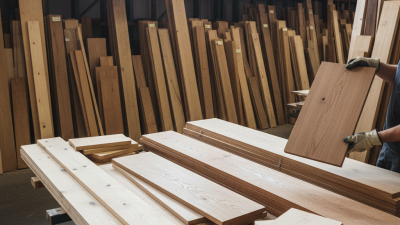
Sustainable building projects are increasingly utilizing construction materials that minimize environmental impact while maximizing efficiency. According to a report by the U.S. Green Building Council, buildings account for nearly 40% of total energy use and 70% of electricity consumption in the United States. Selecting the right materials can significantly reduce these figures. Key options include reclaimed wood, recycled steel, bamboo, and hemp. Reclaimed wood, sourced from old barns and buildings, reduces deforestation and minimizes waste, while bamboo is a fast-growing grass that sequesters carbon and provides a renewable alternative.
When considering insulation, materials like wool, cellulose, and recycled denim stand out for their eco-friendliness and effectiveness. A study from the National Association of Home Builders indicates that homes using cellulose insulation can save up to 20% on energy costs annually, promoting not just sustainability but also economic viability.
**Tips**: Always prioritize locally sourced materials to reduce transportation emissions. Implementing life-cycle assessments during the material selection process can help identify the most sustainable options available. Additionally, consider technologies like 3D printing that can utilize sustainable materials, thereby innovating your building approach and further reducing waste.
Understanding the Importance of Sustainable Building Materials
Sustainable building materials play a crucial role in reducing the environmental impact of construction projects. Understanding their importance begins with acknowledging the finite nature of traditional building resources. By opting for materials that are renewable, recyclable, and have minimal ecological footprints, builders can significantly lower greenhouse gas emissions associated with construction. For instance, using reclaimed wood or bamboo not only reduces waste but also promotes biodiversity and reduces the demand for new raw materials.
Moreover, sustainable materials contribute to energy efficiency throughout a building's lifecycle. Insulation made from natural fibers like wool or recycled denim can enhance thermal performance, reducing the need for energy-intensive heating and cooling systems. The incorporation of materials such as recycled steel or low-VOC (volatile organic compounds) products guarantees indoor air quality and environmental safety for occupants. As such, the choice of construction materials is fundamental not only for the health of the planet but also for the wellbeing of those who inhabit these spaces.
Top Renewable Materials Used in Eco-Friendly Construction
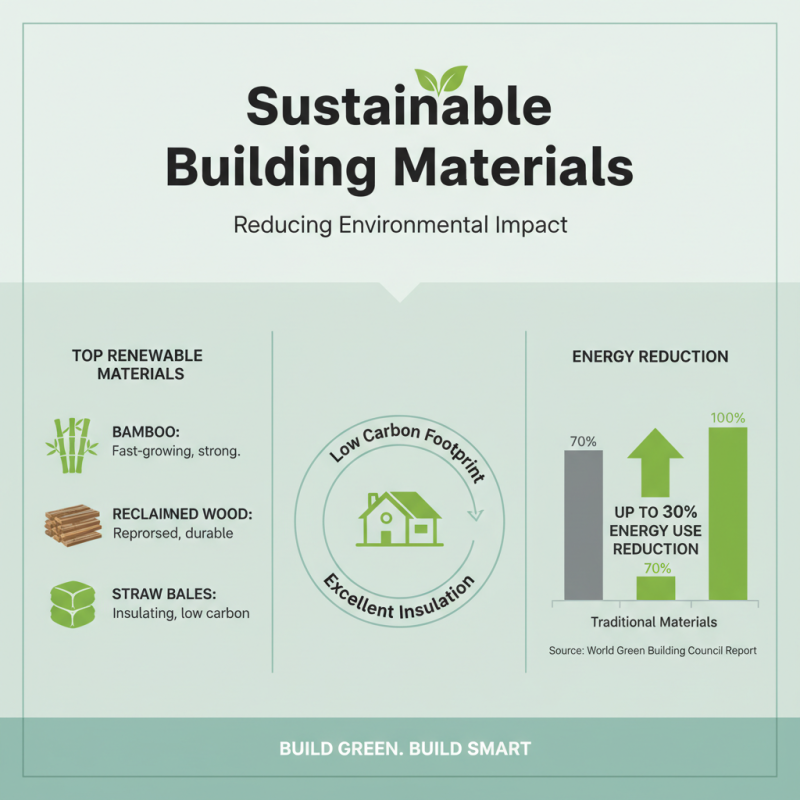
In the realm of sustainable building projects, the choice of materials plays a crucial role in reducing the environmental impact of construction. Top renewable materials such as bamboo, reclaimed wood, and straw bales are becoming increasingly popular due to their low carbon footprint and excellent insulation properties. According to a report by the World Green Building Council, buildings constructed with sustainable materials can achieve a reduction in overall energy use by up to 30% compared to traditional materials.
Bamboo, in particular, is recognized for its rapid growth and high strength-to-weight ratio. It can be harvested in just three to five years, making it a smart choice for eco-friendly construction. Additionally, reclaimed wood not only diverts waste from landfills but also adds character to buildings. Research indicates that using reclaimed materials can yield a reduction of 52% in energy consumption throughout a product's lifecycle, showcasing the massive potential for sustainable practices in the construction industry.
Straw bales are another innovative option, known for their exceptional insulation capabilities. Their use can lower energy needs for heating and cooling by 75% compared to conventional building materials, according to findings by the U.S. Department of Energy. As the construction industry increasingly prioritizes sustainability, incorporating these renewable materials will be essential for creating eco-friendly structures that meet the demands of a growing population while preserving the planet's resources.
Recycled Materials and Their Impact on Sustainability
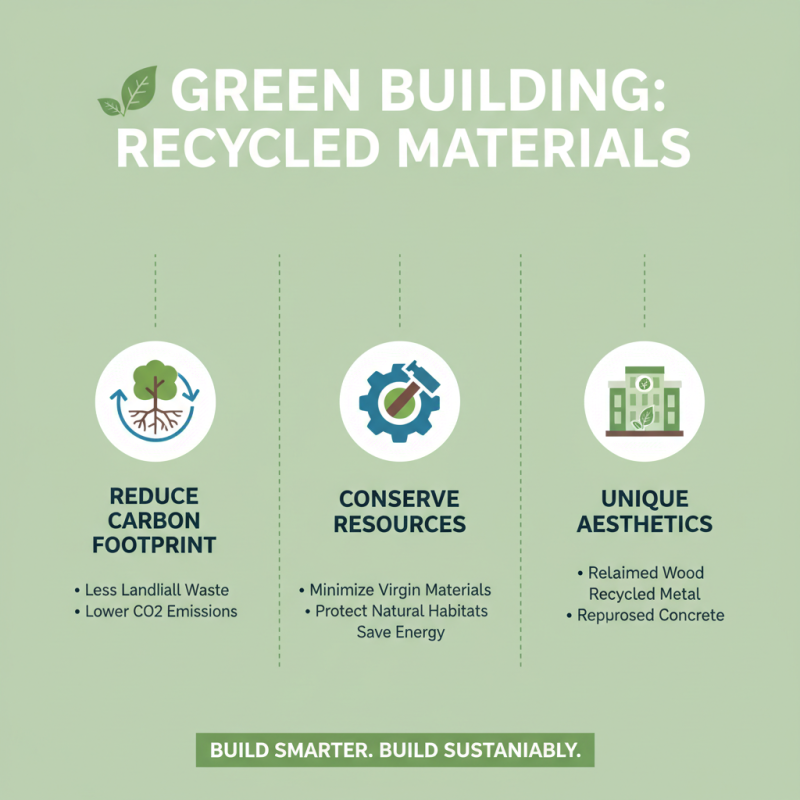
Recycled materials play a crucial role in enhancing the sustainability of building projects. By repurposing materials that would otherwise contribute to landfills, the construction industry can significantly reduce its carbon footprint. Materials such as reclaimed wood, recycled metal, and repurposed concrete are not only environmentally friendly options but also often come with unique aesthetic qualities, allowing for creative and innovative designs. Using these materials minimizes the need for virgin resources, thus conserving natural habitats and reducing energy consumption during production.
Furthermore, incorporating recycled materials into construction promotes a circular economy. It encourages manufacturers and builders to consider the lifecycle of their products, shifting focus from linear consumption to sustainable practices. The use of recycled materials also fosters community engagement, as many local entities specialize in reclaiming and processing materials, thereby stimulating local economies. As awareness of environmental issues grows, the demand for sustainable building practices, particularly the use of recycled resources, is becoming increasingly prominent in the construction sector.
Innovative Technologies in Sustainable Building Materials
Innovative technologies in sustainable building materials are revolutionizing the construction industry, fostering a shift toward environmentally friendly practices. One such technology is the development of bio-based materials, which are derived from natural sources such as agricultural by-products and renewable resources. According to a report by the World Green Building Council, the use of bio-based materials can reduce greenhouse gas emissions by up to 40% compared to traditional construction materials. These materials not only minimize environmental impact but also often enhance indoor air quality by reducing harmful emissions upon usage.
Another impactful innovation is the use of recycled materials in construction. The Global Recycling Foundation reports that incorporating recycled content can significantly lower the carbon footprint of a building project. For example, using recycled steel and aluminum can reduce energy consumption by up to 95% and 85% respectively, compared to utilizing raw materials. Moreover, technologies such as 3D printing are emerging on the scene, allowing for the efficient use of materials with minimal waste generation. This method has the potential to create complex structures with a significantly reduced ecological impact while also speeding up the construction process. These advancements represent a promising future for sustainable construction, indicating a vital movement towards greener building practices.
Conclusion
In recent years, the focus on sustainable building projects has intensified, leading to the exploration of various construction materials that minimize environmental impact. Understanding the importance of sustainable building materials is crucial, as they not only reduce the carbon footprint but also promote energy efficiency and resource conservation. Renewable materials such as bamboo and reclaimed wood have gained popularity for their eco-friendly properties, while recycled materials play a significant role in reducing waste and enhancing sustainability.
Furthermore, innovative technologies in construction materials are paving the way for more efficient and sustainable building practices. By evaluating the life cycle assessment of these materials, builders can make informed decisions that contribute to a greener future. Ultimately, the selection of appropriate construction materials is essential for the success of sustainable building projects, ensuring a harmonious balance between architecture and the environment.