Top 10 Best Lumber Store Tips for Home Improvement Projects

When embarking on a home improvement project, finding the right materials is crucial, and a lumber store is often your first stop. The vast selection of lumber and building materials can be overwhelming, especially for DIY enthusiasts and homeowners looking to enhance their living spaces. Understanding how to navigate through a lumber store effectively can save you both time and money, ensuring that your project not only meets your vision but also remains within budget.

In this guide, we will share the top 10 tips for making the most out of your visit to a lumber store. Whether you are planning a small renovation or a larger construction project, knowing what to expect and how to prepare can significantly impact your experience. From choosing the right types of wood to understanding pricing and measuring techniques, our insights will arm you with the knowledge needed to make informed decisions. With these tips, you will feel more confident in selecting the materials necessary for your home improvement ambitions while avoiding common pitfalls. Get ready to transform your space with valuable advice tailored for your trips to the lumber store.

Top 10 Best Lumber Store Tips for Home Improvement Projects

Choosing the Right Type of Lumber for Your Project

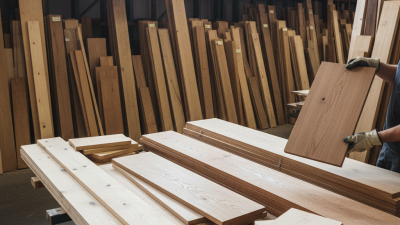
Choosing the right type of lumber for your home improvement project can significantly impact the quality and durability of the finished product. When selecting lumber, consider the specific requirements of your project, including the environmental conditions it will face. For example, pressure-treated lumber is ideal for outdoor projects as it is resistant to moisture and rot. In contrast, hardwoods like oak and maple are excellent choices for indoor furniture due to their strength and beautiful finishes.

Another crucial factor to consider is the grade of lumber. Higher-grade boards are typically more durable and aesthetically pleasing, making them better suited for visible areas like flooring or cabinetry. If your project requires structural support, such as beams or joists, opt for engineered lumber that offers superior strength and stability. Additionally, remember to account for the wood's appearance and how it will fit into the overall design of your space, as different grains and colors can enhance or detract from aesthetics. By carefully assessing these elements, you can choose the most suitable lumber for your project and ensure a successful outcome.

Understanding Lumber Grades and Quality Standards

Top 10 Best Lumber Store Tips for Home Improvement Projects

When embarking on home improvement projects, understanding lumber grades and quality standards is crucial for ensuring the durability and aesthetics of the final product. Lumber is categorized into various grades based on its appearance and structural integrity, with higher grades typically reflecting fewer defects. According to the U.S. Department of Agriculture, the grading system consists of classifications such as Select Structural, No. 1, No. 2, and so on, each denoting the maximum allowable defects and the intended use of the lumber. For instance, Select Structural lumber is designed for high-strength applications like beams and trusses, while No. 2 is suitable for general construction purposes.

Quality standards also consider moisture content, which significantly influences the performance of lumber in home improvement projects. The National Wood Flooring Association reports that lumber with moisture content above 20% is at risk for issues like warping and mold growth. In contrast, lumber with a moisture level below 15% is preferable for stable and long-lasting results. Customers should always look for a reputable supplier that provides clear information about the grade and moisture content, ensuring that the lumber chosen will meet the specific requirements of their project while adhering to industry standards for quality and safety.

Essential Tools for Working with Lumber

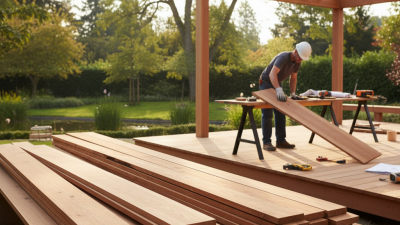
When embarking on home improvement projects involving lumber, having the right tools can make all the difference. Essential tools include a quality circular saw, which is indispensable for making straight cuts in various types of wood. Pair it with a sturdy workbench to provide stability when cutting large pieces. A miter saw is also crucial for making precise angled cuts, especially for trim work and creating furniture with clean finishes. Additionally, a jigsaw allows for more intricate cuts, perfect for crafting unique designs.

Equally important are hand tools that complement your power tools. A set of chisels is vital for detailed work, while a reliable hammer and various sizes of screwdrivers ensure you can tackle any assembly or installation task. Measuring tools, such as a tape measure and a level, are essential for achieving accuracy in your projects. Don't forget clamps, which help secure your materials while working, preventing any movement that could lead to mistakes. With these essential tools at your disposal, you’ll be well-equipped to handle any lumber project with confidence and precision.

Top 10 Essential Tools for Working with Lumber

Budgeting Tips for Lumber Purchases

When planning home improvement projects, understanding how to budget for lumber purchases can make a significant difference in managing overall costs. Start by assessing your project's requirements and estimating the amount of lumber you'll need. This helps in setting a realistic budget that aligns with your goals without overspending. Always factor in a little extra for mistakes or changes in plans, as unexpected needs often arise.

One effective tip is to compare prices from different suppliers. Lumber prices can vary significantly between stores, so researching ahead can lead to surprising savings. Additionally, consider purchasing materials during off-peak seasons when prices tend to be lower.

Another strategy is to keep an eye out for discounts on bundles or leftover pieces from previous projects, as they can provide substantial savings while still meeting your quality needs.

Lastly, make use of online calculators and budgeting tools to track your expenses accurately. This ensures you stay within your budget while allowing for adjustments if necessary. Being thorough in your planning can not only help stretch your budget further but also enhance the overall success of your home improvement project.

Best Practices for Storing and Handling Lumber

When embarking on home improvement projects, proper storing and handling of lumber is essential to ensure quality and longevity. First and foremost, always store lumber in a dry, well-ventilated area. Moisture can lead to warping, mold, and structural weaknesses. To further protect against moisture, elevate the lumber off the ground using pallets or similar supports, and cover it with a breathable tarp if necessary. This prevents rain or ground moisture from affecting the wood, maintaining its integrity for future use.

Equally important is the handling of lumber. When moving boards, especially longer pieces, it’s crucial to lift them properly to avoid bowing or cracking. Always use a team when necessary, and ensure that everyone is aware of their roles during the lift to prevent accidents. Additionally, when cutting or sanding lumber, wear appropriate safety gear to protect against dust and splinters. Finally, label your lumber clearly to avoid confusion later on; taking a few moments to note the dimensions and types will save time and effort when you're ready to start your home improvement project. By following these best practices, you can ensure that your materials stay in top condition, ready for your creative designs.