How to Choose the Best Wood for Your Home Projects at Lowes
When embarking on home improvement projects, choosing the right type of wood is essential for achieving durability and aesthetic appeal. According to John Harrison, a renowned woodwork specialist at Lowes, “Selecting the perfect lowes wood not only enhances the beauty of your project but also ensures its longevity.” His insight underscores the importance of understanding the various wood types available and their unique characteristics.
The selection process can be overwhelming, given the plethora of options ranging from softwoods like pine to hardwoods such as oak and maple. Each type carries its advantages and suitable applications, making it crucial for DIY enthusiasts and professional builders alike to make informed decisions. This guide aims to simplify the woodworking selection process by providing helpful tips and considerations for finding the ideal lowes wood that suits your specific needs and project requirements.
By exploring factors such as durability, cost, and finish, you can confidently navigate your choices and create stunning home projects that stand the test of time. Whether you are crafting furniture, cabinetry, or decorative elements, understanding how to choose the best lowes wood is the first step in ensuring the success of your woodworking endeavors.
Understanding Different Types of Wood: Softwoods vs. Hardwoods
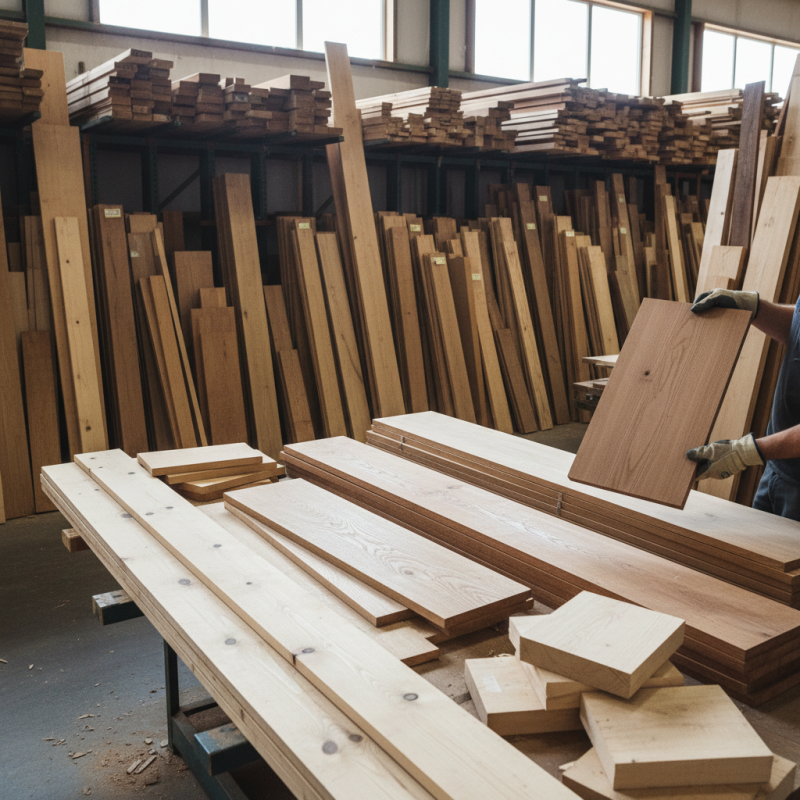
When embarking on home projects, understanding the differences between
softwoods and
hardwoods is crucial for making the right choice.
Softwoods, such as pine, spruce, and fir, typically come from coniferous trees and are known for their light weight and ease of use.
These types of wood are generally more affordable and can be easily cut, making them ideal for projects like furniture building, crafts, and structural elements.
Additionally, softwoods often have a more pronounced grain pattern, which some homeowners may find appealing for aesthetics.
On the other hand, hardwoods like oak, maple, and cherry are derived from deciduous trees.
They tend to be denser and more durable, making them well-suited for high-traffic areas and long-lasting furniture.
Hardwoods often showcase rich colors and intricate grain patterns, providing a more upscale look to projects.
While they come with a higher price tag, the investment in hardwood may be worthwhile for pieces intended to withstand wear and tear over time.
By carefully considering the characteristics and intended use of both softwoods and hardwoods, you can select the optimal material for your specific home projects.
Key Factors to Consider When Selecting Wood for Home Projects
When selecting wood for home projects, several key factors should be considered to ensure both aesthetic appeal and structural integrity. The first significant factor is the type of wood itself. Hardwoods, such as oak or maple, are often more durable and resistant to wear and tear, making them ideal for furniture or flooring. According to a report by the Wood Products Council, hardwoods typically have a Janka hardness rating significantly higher than softwoods, which indicates their resistance to denting and wear, thus prolonging the lifespan of projects that will see frequent use.
Another crucial consideration is the wood's moisture content. Wood that is too moist can warp, crack, or shrink over time, negatively impacting the quality of your project. The optimal moisture content for most woodworking projects should be around 6-8%, as indicated by research from the Forest Products Laboratory. It's important to source wood that has been kiln-dried to this level, particularly for indoor projects, to avoid future complications. Additionally, understanding the source and sustainability of the wood is vital. Choosing certified lumber not only supports environmentally responsible practices but also contributes to the durability and quality of home projects, aligning with a growing emphasis on eco-friendly construction practices in today's market.
The Importance of Wood Grading and Quality in Your Choices
When selecting wood for your home projects, understanding wood grading and quality is essential for achieving the best results. Wood is graded based on its appearance, strength, and intended use. Higher-grade woods typically feature fewer knots, cracks, or blemishes, which enhances their aesthetic appeal and durability. These qualities not only affect the final look of your project but also influence its longevity and structural integrity. Therefore, investing time in understanding the grading system can make a significant difference in the outcome of your endeavors.
In addition to grading, it is crucial to consider the quality of the wood. Quality refers to factors such as moisture content, species type, and treatment. For instance, certain species of wood are more resistant to warping or decay, making them ideal for specific applications, such as outdoor furniture or cabinetry. Furthermore, wood treated for pests or moisture can provide added protection, ensuring that your project endures the test of time. By prioritizing wood grading and quality, you can make informed choices that lead to successful results and enhance the overall value of your home projects.
Sustainable Wood Options Available at Lowes for Eco-Conscious Projects
When embarking on home projects, choosing sustainable wood options is a key consideration for eco-conscious consumers. Sustainable wood is sourced from responsibly managed forests, ensuring that harvesting practices do not harm the environment or deplete natural resources. Look for certifications such as FSC (Forest Stewardship Council), which indicates that the wood comes from a well-managed forest that provides environmental, social, and economic benefits. By opting for certified sustainable wood, you contribute to the conservation of forests and promote responsible forestry practices.
Additionally, consider the benefits of recycled or reclaimed wood, which minimizes the demand for new lumber and reduces waste in landfills. Reclaimed wood offers unique aesthetics and character, adding a distinct charm to your projects while being environmentally friendly. Many local suppliers provide a range of recycled wood options, allowing you to create beautiful furniture, flooring, or decorative features that tell a story. By thoughtfully selecting sustainable wood for your home projects, you not only enhance your living space but also support a healthier planet.
How to Choose the Best Wood for Your Home Projects - Sustainable Wood Options Available
| Wood Type |
Sustainability Rating |
Common Uses |
Durability |
Price Range (per board foot) |
| Bamboo |
High |
Flooring, Furniture, Cabinets |
Moderately Durable |
$3 - $10 |
| Cedar |
Moderate |
Outdoor Furniture, Fencing |
Highly Durable |
$5 - $15 |
| Pine |
Low |
Framing, Furniture, Shelving |
Less Durable |
$2 - $8 |
| Teak |
High |
Outdoor Furniture, Boat Building |
Very Durable |
$10 - $30 |
| Maple |
Moderate |
Cabinets, Flooring, Furniture |
Durable |
$5 - $15 |
Cost Analysis: Comparing Price Per Board Foot for Various Wood Types
When embarking on home projects, selecting the right wood is crucial, not only for aesthetic appeal but also for cost efficiency. An essential factor to consider is the price per board foot, which varies significantly across different wood types. For instance, according to the Wood Industry Market Report 2022, softwoods like pine typically range from $3 to $7 per board foot, while hardwoods such as oak can command prices between $8 and $15 per board foot. This price variability can impact the overall budget of your project, making it essential to analyze what fits best.
In addition to basic costs, it's important to factor in the wood's durability and application suitability. For example, although cedar and redwood may be pricier, usually around $10 to $18 per board foot, their natural resistance to decay and insects can save costs on maintenance and replacements in the long run. The National Wood Flooring Association highlights that investing in higher-quality wood can enhance the lifespan of your projects, potentially leading to reduced expenses over time. Understanding these price dynamics and durability aspects can greatly assist homeowners in making an informed choice that balances both budget and quality for their projects.