2025 How to Choose the Best Cedar Supply for Your Outdoor Projects
Choosing the right cedar supply for your outdoor projects is vital to ensure durability, aesthetic appeal, and overall satisfaction. As the renowned expert in sustainable building materials, John Anderson, states, "Selecting high-quality cedar not only enhances the beauty of your project but also contributes to its longevity." When embarking on an outdoor construction or renovation endeavor, the type of cedar you choose can significantly impact the final outcome. The rich natural properties of cedar, such as its resistance to rot and insects, make it a popular choice among builders and homeowners alike.
While the market offers a variety of cedar supplies, understanding the differences in quality, source, and treatment methods can be overwhelming. It's essential to consider factors such as the specific type of cedar, the grading system, and whether the wood has been properly treated for outdoor conditions. By making informed decisions based on expert guidance and personal needs, you can ensure that your outdoor projects not only look stunning but also stand the test of time. Choosing the best cedar supply is a step toward creating a beautiful and functional outdoor space that complements your lifestyle.
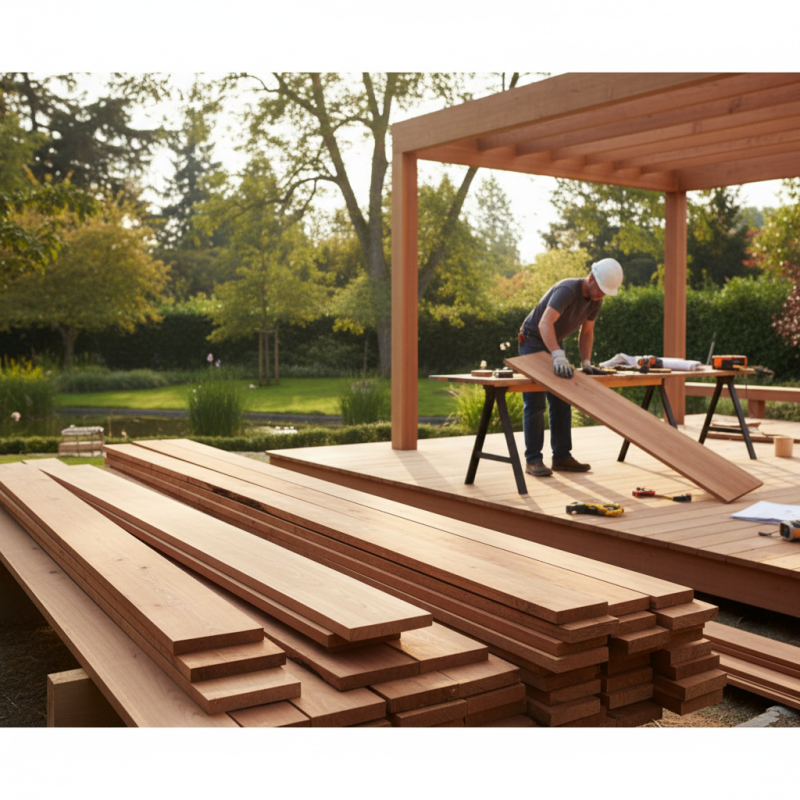
Understanding the Benefits of Using Cedar in Outdoor Projects
Cedar wood is increasingly recognized for its numerous benefits in outdoor projects, making it a top choice among builders and DIY enthusiasts alike. Renowned for its durability and natural resistance to decay and insect damage, cedar can last for decades even when exposed to the elements. According to a report by the Western Wood Products Association, cedar can outlast other common softwoods like pine and fir by up to 2 to 3 times under outdoor conditions. This remarkable longevity is crucial for anyone looking to invest in outdoor structures like decks, fences, or garden furniture.
Another key advantage of cedar is its thermal properties. Cedar wood does not absorb heat as much as other materials, making it a comfortable choice for outdoor applications, particularly in warmer climates. The Natural Resources Canada report highlights that using cedar can help in maintaining cooler surfaces, which is beneficial for patios and poolside areas.
Tips: When selecting cedar for your projects, ensure that you choose wood that is sourced sustainably. Look for certifications that indicate responsible forestry practices. Additionally, consider using a sealant recommended for cedar to further enhance its lifespan and maintain its natural beauty.
Types of Cedar Available for Outdoor Construction
When selecting cedar for outdoor construction projects, it's important to understand the various types of cedar available and their specific characteristics. The most common varieties include Western Red Cedar, Eastern White Cedar, and Alaska Cedar, each offering unique advantages that cater to different needs.
Western Red Cedar is highly sought after for its rich color and aromatic scent, making it ideal for applications like decks, fences, and outdoor furniture. It has excellent resistance to decay and insect damage, which enhances its durability in outdoor settings. On the other hand, Eastern White Cedar is typically lighter in color and has a fine, straight grain. Its lightweight nature and natural resistance to moisture make it suitable for items like birdhouses and garden furniture.
Alaska Cedar, while less common, is valued for its strength and stability. It has a fine texture and can tolerate harsh weather conditions, making it a wise choice for any structure facing the elements. Understanding these types can help ensure that you select the most appropriate cedar for your project, maximizing both aesthetics and longevity.
2025 How to Choose the Best Cedar Supply for Your Outdoor Projects - Types of Cedar Available for Outdoor Construction
| Cedar Type |
Durability |
Common Uses |
Color |
Price per Board Foot |
| Western Red Cedar |
Highly Durable |
Decking, Fencing, Siding |
Red-Orange to Brown |
$5.50 |
| Eastern White Cedar |
Moderately Durable |
Shingles, Boat Building |
Creamy White to Light Yellow |
$4.25 |
| Alaskan Yellow Cedar |
Highly Durable |
Outdoor Furniture, Decking |
Pale Yellow to Light Brown |
$6.00 |
| Incense Cedar |
Moderately Durable |
Crafting, Outdoor Projects |
Light Brown to Reddish |
$4.75 |
Key Factors to Consider When Selecting Cedar Supply
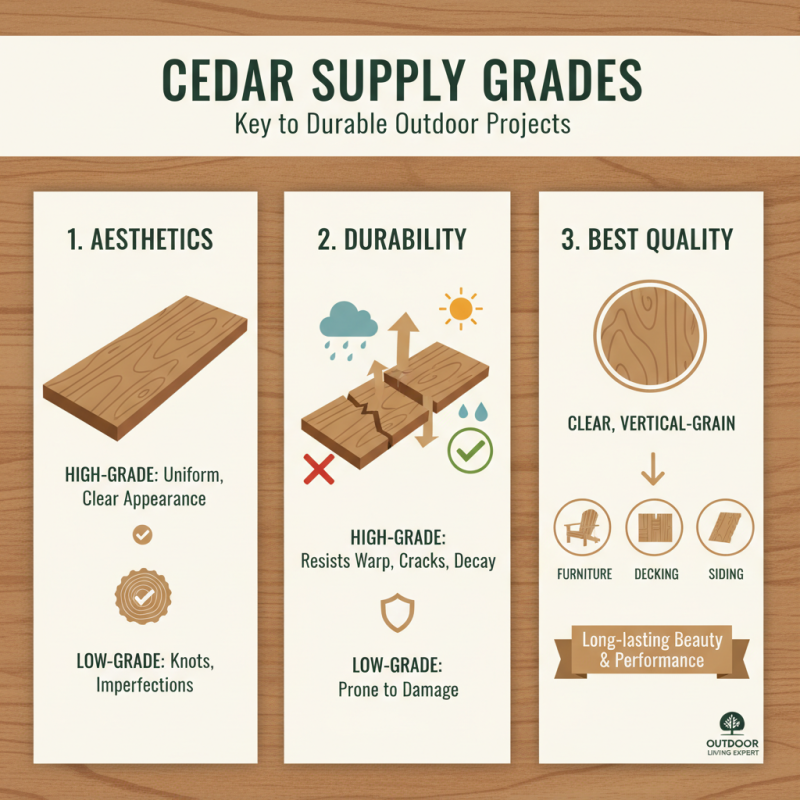
When selecting cedar supply for your outdoor projects, one of the key factors to consider is the grade of cedar. High-grade cedar not only offers superior aesthetics but also enhances durability, making it less susceptible to warp, cracks, and decay. Look for clear, vertical-grain cedar for the best quality, as it tends to resist damage and wear over time, perfect for furniture, decking, or siding applications.
Another important aspect to take into account is the source of the cedar. Sustainably harvested cedar is preferable, as it ensures that you are contributing to responsible forestry practices. Checking for certifications or sourcing information can help you identify products that are not only environmentally friendly but also ethically produced. Additionally, consider the specific type of cedar you need for your project, whether it be Western Red Cedar, Northern White Cedar, or another variety, as each has unique characteristics suited for different applications, like moisture resistance or insect repellent qualities.
Evaluating the Quality of Cedar Materials
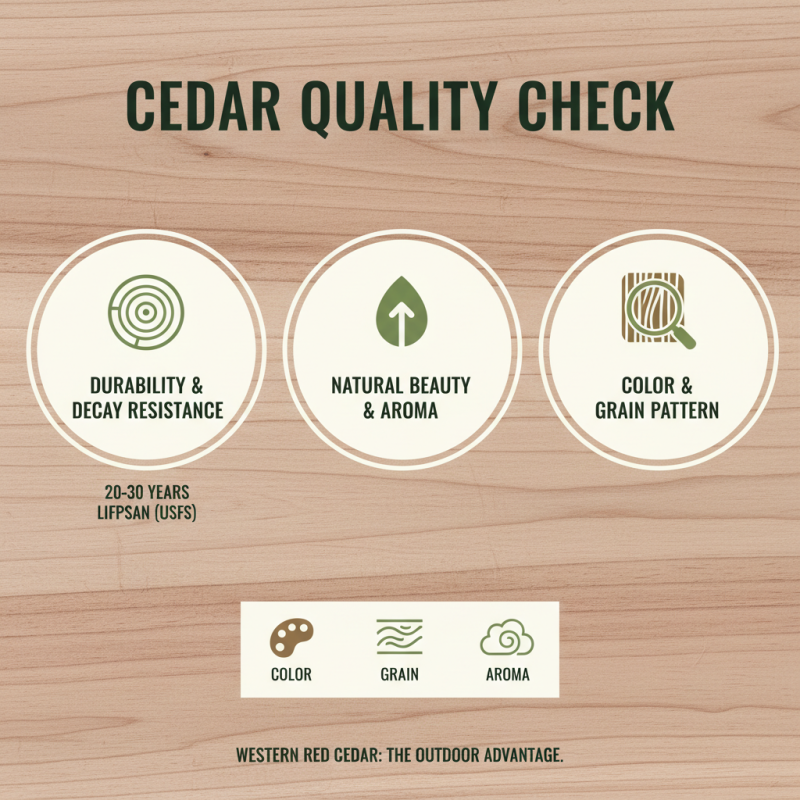
When embarking on outdoor projects that require the use of cedar, it’s crucial to evaluate the quality of the materials. Cedar lumber is revered for its durability, natural resistance to decay, and appealing aesthetic. According to the U.S. Forest Service, Western Red Cedar boasts a natural lifespan of 20-30 years in outdoor settings when properly maintained, making it a preferred choice for decking, fencing, and other exterior applications. Evaluating the quality of cedar involves examining several key factors, including the wood's color, aroma, and grain patterns.
One significant aspect of quality assessment is moisture content. The ideal moisture content for cedar used in outdoor projects is between 12% and 15%. Higher moisture levels can lead to warping and splitting over time. A study by the Forest Products Laboratory highlights that kiln-dried cedar maintains its structural integrity better than air-dried alternatives, thus reinforcing the importance of moisture regulation. Additionally, inspecting for clear grades, which feature minimal knots and defects, can greatly enhance the longevity and performance of your cedar materials. By focusing on these quality indicators, you can ensure that your outdoor projects stand the test of time and weather.
Where to Source High-Quality Cedar for Your Projects
When sourcing high-quality cedar for your outdoor projects, it's essential to consider a few key factors that can impact both the durability and appearance of your finished work. First, look for suppliers who guarantee sustainably sourced cedar, as this not only benefits the environment but also ensures that the wood is of premium quality. Many suppliers offer certifications that can confirm the wood's sustainability and origin, so be sure to inquire about these details.
Local lumberyards and specialty wood suppliers are often great places to start your search, as they typically carry a selection of different cedar types, including Western Red Cedar and Northern White Cedar, each offering unique characteristics suited for various applications. Engaging with knowledgeable staff can provide valuable insights into which type of cedar will work best for your specific project, be it decking, fencing, or furniture. Additionally, online marketplaces can broaden your options, but it's crucial to verify the reputation of the seller and the quality of the wood before making a purchase. Always request samples if possible, to ensure that the cedar meets your standards in terms of color, grain, and overall quality.
2025 Cedar Supply Comparison for Outdoor Projects