Top Metal Building Supply Options for Your Construction Needs
When embarking on a construction project, selecting the right materials is crucial for ensuring durability and overall success. Among the various options available, **metal building supply** stands out as a versatile and resilient choice. With the increasing popularity of metal structures in both commercial and residential construction, understanding the different types of metal building supplies can significantly impact the quality and sustainability of your project.
In today's construction landscape, the advantages of metal building supplies—such as strength, longevity, and low maintenance—are compelling reasons to explore this material option. From steel beams to metal panels, these supplies not only enhance the structural integrity but also offer aesthetic flexibility. This introduction will delve into the top metal building supply options available, guiding you through the benefits and best practices associated with each choice. Whether you're a seasoned builder or a DIY enthusiast, knowing how to effectively utilize metal in your construction endeavors can lead to remarkable results.
Top Metal Building Supply Options for Your Construction Needs
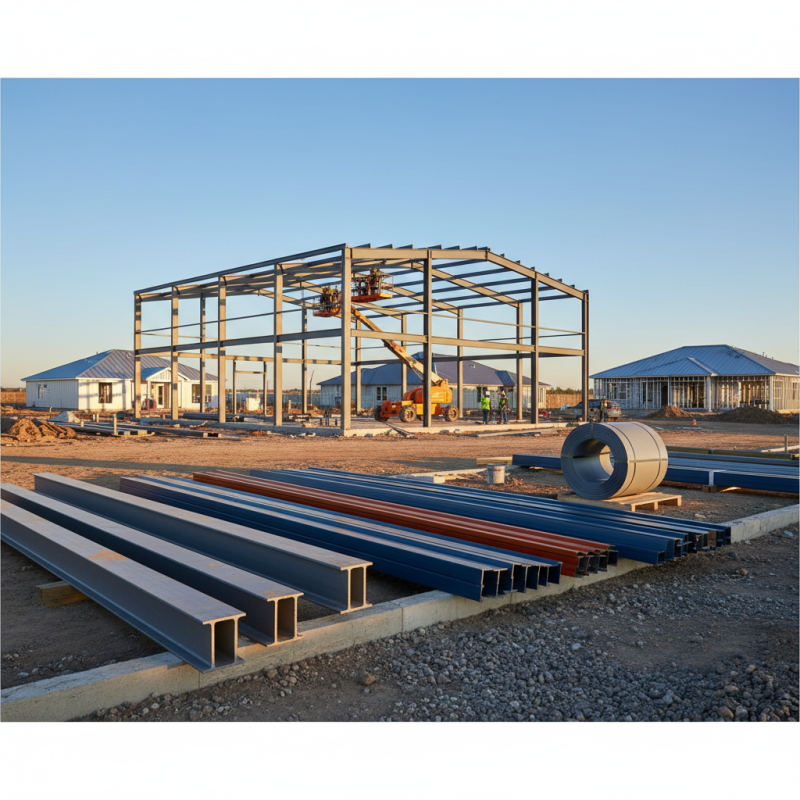
When selecting metal building supplies for your construction needs, it’s essential to consider not only the type of materials but also their suitability for your specific project. Steel is often the go-to choice due to its strength, durability, and resistance to weather elements.
 Galvanized steel, for instance, offers excellent corrosion resistance, making it ideal for outdoor structures or humid environments.
Aluminum is another viable option, particularly for projects requiring lightweight materials without sacrificing structural integrity.
Tips: When evaluating your options, always consider the specific requirements of your building project, including the climate, load-bearing needs, and design preferences. Consulting with a professional can provide valuable insights into which materials will work best for your particular situation.
Additionally, think about the long-term maintenance and energy efficiency of the materials you choose. Insulated metal panels can enhance thermal efficiency, reducing heating and cooling costs over time. Remember that the installation process can vary significantly between materials, so familiarize yourself with the specifics to ensure a smooth construction experience. Overall, understanding these various aspects will lead to a well-constructed and sustainable building.
Understanding Different Types of Metal Building Materials in Construction
When it comes to construction, understanding the different types of metal building materials is crucial for making informed decisions.
Steel is one of the most widely used materials due to its strength and durability. According to the American Institute of Steel Construction, steel structures can last over 50 years with minimal maintenance, making them a cost-effective choice in the long run. Additionally, steel’s high strength-to-weight ratio allows for larger spans and fewer columns, maximizing usable space in a structure.
Aluminum is another popular option, noted for its lightweight and corrosion-resistant properties. The Metal Building Manufacturers Association reports that aluminum used in construction has seen a significant increase, with its market share expanding by approximately 7% annually. This growth can be attributed to aluminum's versatility, as it can be easily molded into various shapes and is ideal for structures in coastal areas where saltwater corrosion is a concern.
Lastly, metal panels, including insulated metal panels (IMPs), are gaining traction in commercial construction. According to a recent report by Freedonia Group, demand for metal building panels is projected to rise significantly, driven by the increasing popularity of energy-efficient and sustainable building practices. IMPs provide superior insulation, helping reduce energy costs while contributing to a building's overall performance.
Choosing the right metal building materials can significantly impact the efficiency, longevity, and cost-effectiveness of construction projects.
Comparative Analysis of Steel vs. Aluminum for Structural Applications
When it comes to structural applications in construction, the choice between steel and aluminum is often pivotal. Both materials have distinct advantages and applications that can significantly impact project outcomes. Steel, known for its unparalleled strength, boasts an impressive yield strength ranging from 250 to 550 MPa, making it an ideal choice for structures that require high load-bearing capacity, such as industrial buildings and bridges. According to the American Institute of Steel Construction, steel's durability and resilience also contribute to its longevity, often seen in structures with lifespans exceeding 50 years.
On the other hand, aluminum, with an average yield strength of around 70 MPa, might not match steel's strength, but it offers remarkable benefits in terms of weight and corrosion resistance. Recent studies by the Aluminum Association indicate that aluminum structures can reduce overall building weight by up to 60%, allowing for easier transportation and quicker assembly. Additionally, aluminum’s natural resistance to corrosion can reduce maintenance costs, especially in environments exposed to moisture or harsh weather conditions. Moreover, aluminum is 100% recyclable, providing an environmentally friendly advantage that is increasingly important in modern construction practices. As sustainable building gains traction, the aluminum market is projected to grow by 4.5% annually, highlighting its relevance for future architecture.
Evaluating the Cost-Effectiveness of Prefabricated Metal Buildings
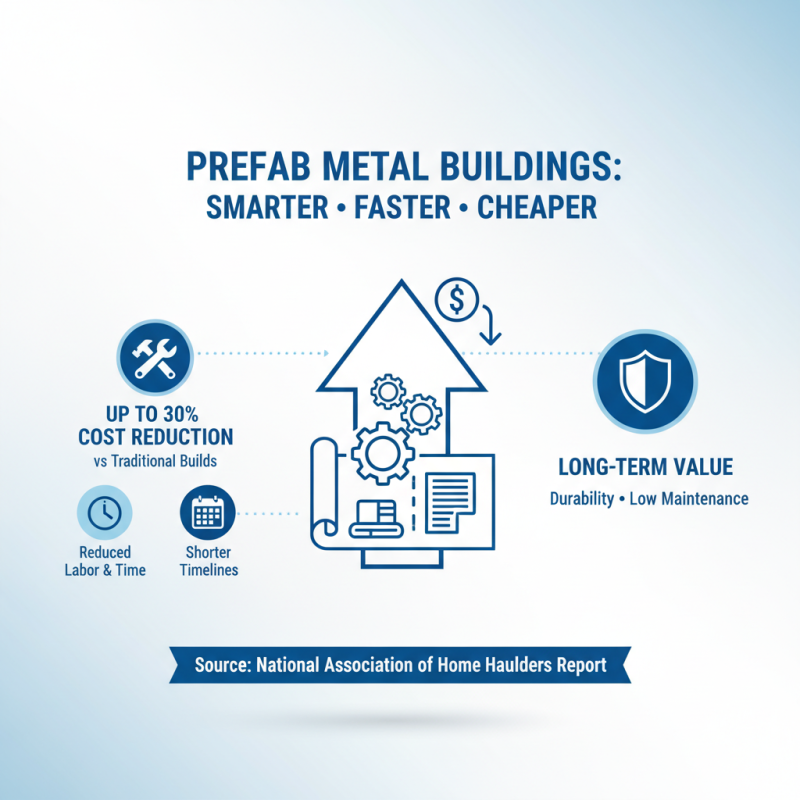
When considering construction projects, prefabricated metal buildings have emerged as a leading choice due to their cost-effectiveness. According to a report from the National Association of Home Builders, prefabricated metal structures can reduce overall construction costs by up to 30% compared to traditional building methods. This is primarily due to reduced labor costs and shorter construction timelines, which allow projects to be completed more quickly and efficiently. Furthermore, the durability and low maintenance requirements of metal buildings contribute to their long-term value, translating to reduced expenses over the lifespan of the building.
Tips: When evaluating the cost-effectiveness of a prefabricated metal building, consider not only the initial investment but also the long-term operational costs. These buildings often feature energy-efficient designs that can lead to a significant reduction in energy bills. Additionally, consult with industry experts to understand the potential tax benefits associated with metal buildings, as many jurisdictions offer incentives for using sustainable materials.
Another advantage of prefabricated metal buildings is their versatility in design and application. Data from the Metal Building Manufacturers Association indicates that these buildings can be customized to suit various functions—ranging from warehouses to retail spaces—without sacrificing structural integrity. This adaptability not only meets diverse client needs but also allows for future modifications without extensive reinvestment. Ultimately, the upfront investment in prefabricated metal buildings can yield substantial savings and enhanced functionality for years to come.
Sustainability in Metal Building Supply: Recycling and Eco-Friendly Options
Sustainability in the construction industry has gained significant traction, particularly concerning metal building supplies. With approximately 97 million tons of steel recycled in the U.S. alone in 2019, the use of recycled materials has become a cornerstone in eco-friendly construction practices. By choosing metal buildings, construction projects can dramatically reduce their environmental footprint; steel is not only recyclable but also energy-efficient. Recent studies suggest that utilizing recycled steel can save energy equivalent to powering 18 million homes for a year, highlighting the substantial environmental benefits achieved through sustainable sourcing.
In addition to recycling, many manufacturers are now focusing on eco-friendly options within the metal supply chain. Innovative production techniques, such as using solar energy in the steel-making process, can decrease carbon emissions significantly. According to the World Steel Association, the adoption of cleaner technologies and the incorporation of recycled materials could lead to a 30% reduction in greenhouse gas emissions by 2030. This shift towards sustainability not only meets regulatory demands but also satisfies the growing consumer preference for greener construction methods. As more builders familiarize themselves with these practices, the metal supply industry is poised to play a pivotal role in shaping a more sustainable construction landscape.
Conclusion
The article titled "Top Metal Building Supply Options for Your Construction Needs" explores various essential aspects of metal building supply relevant to modern construction. It begins by providing an overview of different types of metal building materials, emphasizing their distinct properties and applications. A thorough comparative analysis highlights the advantages and disadvantages of using steel versus aluminum for structural purposes, assisting builders in making informed decisions.
Furthermore, the article evaluates the cost-effectiveness of prefabricated metal buildings, showcasing their economic benefits and efficiency. It also addresses the importance of sustainability within the metal building supply sector, discussing recycling and environmentally friendly options available today. Finally, key performance metrics for assessing metal building supplies are examined, offering valuable insights for those in the construction industry to ensure they choose high-quality materials that meet their specific needs.