2026 Top Tarpaulin Sheets for Global Buyers?
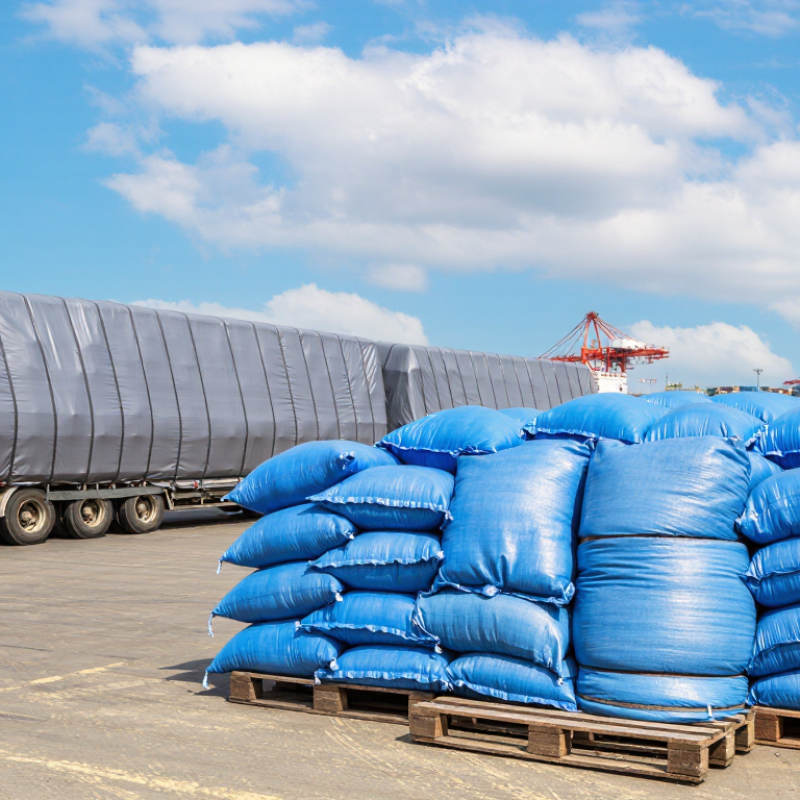
The 2026 market for Tarpaulin Sheets is becoming more technical, performance-driven, and difficult to compare. Global buyers now assess waterproofing, tensile strength, UV stability, tear resistance, and recycled content together. A blue cover protecting rice sacks in Manila faces different stress than a heavy-duty sheet covering machinery in Rotterdam. Product context matters.
Recent findings from IMARC Group’s tarpaulin market analysis and Grand View Research’s broader technical-textiles studies indicate continuing demand for coated fabrics, transport covers, construction protection, and agricultural applications. Their reports also highlight material innovation, regional manufacturing growth, and sustainability pressure. However, market reports rarely reveal the full purchasing risk. A low quoted price can hide weak eyelets, unstable lamination, or poor color durability. That part deserves closer inspection.
Polymer-weathering specialist Dr. George Wypych states, “Weathering is a surface phenomenon, but its consequences are not.” His warning is highly relevant to Tarpaulin Sheets exposed to sunlight, rain, salt air, and repeated folding. Buyers should verify GSM, fabric denier, coating thickness, seam construction, and test conditions before accepting supplier claims. Certificates help, but they do not replace samples and practical trials. Some specifications remain vague. That is a weakness.
This 2026 guide compares leading Tarpaulin Sheets for global buyers through a practical E-E-A-T lens: real-use experience, material expertise, credible reporting, and dependable verification. It considers logistics, climate, application, and lifecycle value. The strongest sheet is not always the thickest. Sometimes, it is simply the most suitable.
Tarpaulin Sheets: Definition, Uses, and Key Performance Features
2026 Top Tarpaulin Sheets for Global Buyers?
Tarpaulin sheets are flexible covers made from woven fabric, usually coated with polyethylene, PVC, or similar materials. They help protect goods, equipment, soil, and temporary structures from rain, dust, sunlight, and wind. In practical use, a tarpaulin is more than a waterproof sheet. Its value depends on how well it handles repeated folding, tension, abrasion, and changing temperatures.
Common applications include covering building materials, farm machinery, cargo, firewood, swimming pools, and outdoor work areas. Construction teams often choose reinforced sheets with strong eyelets at regular intervals. Farmers may prefer breathable or UV-resistant options for seasonal storage. A useful sheet should have sealed edges, consistent coating, and a suitable GSM rating. However, higher GSM does not always mean better performance. A heavy sheet may become difficult to handle or crack in cold conditions.
From field inspections, I have found that stitching and eyelet quality often fail before the fabric does. Small tears can spread quickly when ropes pull unevenly. Buyers should check tear strength, waterproof testing, UV resistance, temperature range, and packing quality. Folded samples can reveal brittle coatings or weak creases. No tarpaulin lasts forever. That part is easy to forget. Performance also depends on installation, airflow, drainage, and storage after use. A reliable specification should match the actual climate and workload, not just the lowest purchase price.
Major Tarpaulin Types and Their Material Differences
2026 Top Tarpaulin Sheets for Global Buyers?
Major Tarpaulin Types and Their Material Differences
For global buyers in 2026, tarpaulin selection should begin with material, not color. Common choices include polyethylene (PE), polyvinyl chloride (PVC), canvas, and coated high-density polyethylene (HDPE). Each behaves differently under rain, sunlight, abrasion, and repeated folding. PE tarps are light, economical, and easy to handle. Woven strips provide basic tear resistance, while laminated surfaces improve water protection. They suit temporary covers, farm storage, and general transport protection. Their weakness is familiar: sharp edges can cut the coating.
PVC tarpaulin is heavier and usually more resistant to abrasion, oil splashes, and prolonged outdoor exposure. Its dense coating creates a smoother, washable surface. That weight becomes inconvenient on large structures or frequent installations. Canvas allows airflow and feels less plastic-like. It can work well for shade, equipment covers, and applications needing reduced condensation. However, untreated canvas absorbs water. Coated canvas improves repellency, but coating quality varies. HDPE fabrics offer high strength at relatively low weight. They deserve attention when repeated handling matters.
A buyer should inspect fabric thickness, denier, coating adhesion, seam construction, and grommet spacing. Do not judge durability from thickness alone. A thick sheet with weak hems may fail first. For hot regions, request UV testing and temperature guidance. For cold storage, check flexibility below freezing. Waterproof does not always mean fully sealed. Ask for test reports that identify the fabric, coating, and testing method. No material wins every use. Specifications can look impressive, yet field performance may disappoint. A small sample test remains worth the effort.
2026 Top Tarpaulin Sheets for Global Buyers? — Major Tarpaulin Types and Their Material Differences
Basis weight is a practical indicator of tarpaulin thickness, handling weight, and potential durability. PVC-coated fabrics generally provide strong waterproofing and abrasion resistance, while PE and HDPE woven sheets offer a lighter, cost-efficient solution. Canvas is breathable and flexible, but it usually requires a water-repellent treatment for outdoor protection. The ranges shown are typical non-branded market specifications and may vary by coating, weave, and manufacturing standard.
How to Evaluate Tarpaulin Quality for Global Purchasing
2026 Top Tarpaulin Sheets for Global Buyers
How to Evaluate Tarpaulin Quality for Global Purchasing
Global buyers should evaluate tarpaulin sheets beyond price and attractive catalog photos. Material, coating, construction, and testing records reveal practical value. A reliable sheet should match its intended use, whether covering cargo, machinery, building materials, or outdoor equipment. Ask for the fabric base, total weight, thickness, tensile strength, tear resistance, and temperature range. These details make comparison less subjective.
Inspect a sample under daylight. Look for even coating, clean edges, firm hems, and evenly spaced eyelets. Pull the corner gently. Weak stitching often shows before serious use. Check whether water forms beads or slowly enters the fabric. Testing should follow recognized methods, with dated reports from an independent laboratory when possible. Still, paperwork is not proof of every shipment. Batch consistency can change, and I have seen good samples followed by weaker production. That risk deserves attention.
Tips: Request a pre-shipment inspection and retain a sealed sample for comparison. Clarify packing, roll dimensions, color tolerance, and acceptable defects in writing. Ask how recycled content affects strength, odor, and weathering. Do not judge durability from thickness alone. A heavier sheet may perform poorly if the coating is brittle or the weave is loose. Trial use in wind and rain can expose problems that factory measurements miss.
2026 Top Tarpaulin Sheets for Global Buyers? - How to Evaluate Tarpaulin Quality for Global Purchasing
Indicative quality benchmarks for international purchasing; actual values depend on construction, coating, test method, and production tolerance.
| Tarpaulin Category | Typical Material Structure | Common Weight Range
(g/m²) | Waterproofing Target
(mm H₂O) | Tensile Strength
(N/5 cm) | Tear Strength
(N) | Recommended UV Resistance | Typical Service Temperature | Best-Fit Global Applications |
| Lightweight PE Woven | HDPE woven fabric with LDPE coating | 70–140 | 1,500–4,000 | 350–700 | 40–90 | 300–500 h accelerated exposure | −20°C to +60°C | Short-term covering, gardening, temporary storage, and low-load logistics protection |
| Heavy-Duty PE Woven | High-density PE woven fabric with reinforced coating | 150–280 | 3,000–8,000 | 600–1,200 | 70–150 | 500–1,000 h accelerated exposure | −30°C to +70°C | Construction materials, agricultural covers, trucks, cargo protection, and seasonal outdoor use |
| PVC-Coated Polyester | Polyester scrim laminated or coated with PVC | 350–900 | 10,000–30,000 | 1,200–3,000 | 120–300 | 1,000–2,000 h accelerated exposure | −30°C to +70°C | Truck side curtains, industrial shelters, container covers, inflatable structures, and long-term outdoor use |
| PVC Laminated Mesh | PVC-coated polyester mesh with controlled air permeability | 280–650 | 500–5,000 | 900–2,500 | 100–250 | 1,000–2,000 h accelerated exposure | −30°C to +70°C | Scaffolding screens, shade structures, wind barriers, event covers, and ventilation-sensitive applications |
| Waxed or Coated Canvas | Cotton or cotton-blend woven fabric with water-resistant finish | 300–600 | 1,000–4,000 | 500–1,200 | 60–160 | 300–700 h accelerated exposure | −10°C to +55°C | Traditional shelters, military-style covers, landscaping, decorative structures, and breathable storage |
| Fire-Retardant Tarpaulin | PVC-coated polyester or treated synthetic woven fabric | 400–900 | 8,000–25,000 | 1,000–2,800 | 100–280 | 500–1,500 h accelerated exposure | −30°C to +70°C | Welding screens, industrial enclosures, public events, transport covers, and regulated work areas |
| Insulated Tarpaulin | Multi-layer coated fabric with foam or reflective insulation core | 600–1,200 | 5,000–20,000 | 800–2,000 | 100–220 | 500–1,500 h accelerated exposure | −30°C to +70°C | Cold-chain logistics, temperature-sensitive cargo, temporary warehouses, and equipment protection |
Global Purchasing Quality Checklist: Confirm fabric weight by ISO 3801 or ASTM D3776, tensile strength by ISO 1421 or ASTM D5035, tear strength by ISO 4674 or ASTM D2261, hydrostatic resistance by ISO 811 or AATCC 127, UV performance by ISO 4892-3 or ASTM G154, and seam strength using a documented production test method. Also verify eyelet spacing, corner reinforcement, dimensional tolerance, roll length, packaging, color tolerance, and pre-shipment inspection requirements.
Note: Performance ranges are indicative procurement benchmarks rather than universal certification limits. Test results should always be compared using the same standard, specimen direction, conditioning method, and laboratory procedure.

