2026 Top Roof Drain Types What Should Global Buyers Choose?
The 2026 global roof drainage market is becoming more technical, climate-sensitive, and specification-driven. Roof Drains now influence waterproofing performance, maintenance costs, and business continuity. A blocked outlet can leave water around rooftop equipment, seams, and insulation within hours.
The World Meteorological Organization’s State of the Global Climate 2024 reported that 2024 was the warmest year on record, at about 1.55°C above the pre-industrial average. This does not automatically determine a drain design. It does, however, strengthen the case for reviewing intense rainfall assumptions. NOAA Atlas 14 rainfall-frequency data, ASCE 7-22, and the 2024 International Plumbing Code provide practical references for rainfall rates, hydraulic loading, and drainage capacity. European projects commonly consult EN 12056-3 for roof drainage principles and calculation methods.
There is no universal winner.
Gravity roof drains remain familiar, economical, and easier to maintain in many low-slope buildings. Siphonic systems can move large water volumes through smaller pipework, especially across extensive industrial roofs. Overflow drains and scuppers add visible protection when primary outlets become obstructed. Dome, cast-iron, stainless-steel, and polymer designs each suit different traffic, corrosion, temperature, and fire-performance conditions.
Global buyers should compare more than purchase price. Check flow capacity, outlet diameter, membrane compatibility, debris control, freeze resistance, replacement access, and local certification. Ask for tested performance, installation details, and traceable material documentation. A catalog number is not engineering evidence.
This comparison may still be imperfect. Rainfall records vary between cities, and installation quality can defeat an excellent product. The right choice begins with verified site data, competent hydraulic calculations, and a realistic maintenance plan.
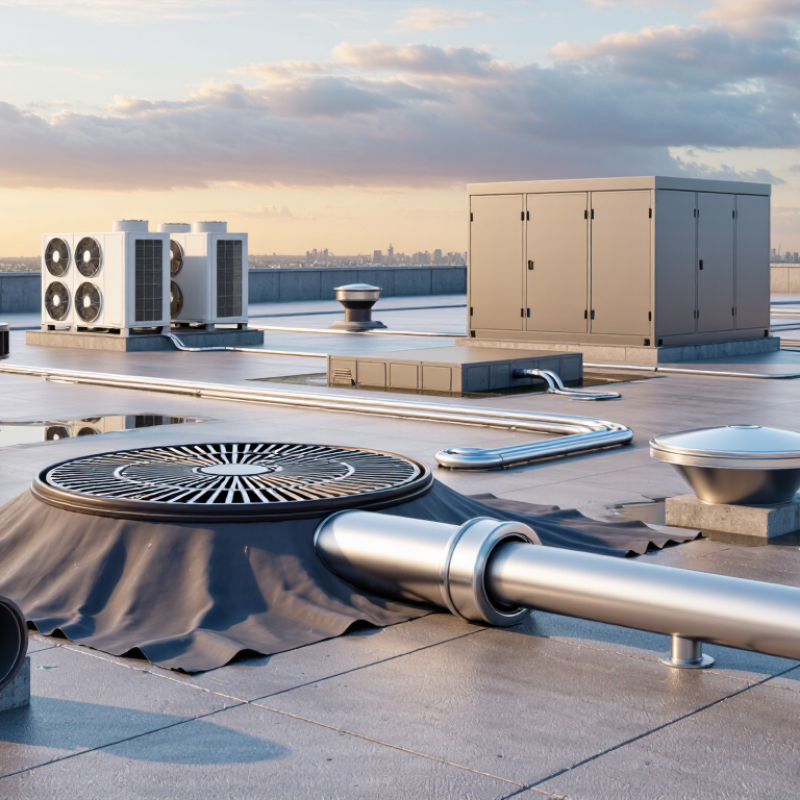
What Is a Roof Drain and Why Does Its Type Matter in 2026?
A roof drain is a planned outlet that carries rainwater from a roof into a drainage system. It usually includes a strainer, drain body, seal, and connecting pipe. These parts work together beneath the roof surface. When rainfall increases, the drain must remove water quickly and consistently. A small blockage can leave water around seams, skylights, or rooftop equipment. That damage is easy to underestimate.
Drain type matters because roofs, climates, and building uses differ widely. Gravity drains rely on natural slope and steady airflow. They suit many low-rise buildings and are generally simple to inspect. Siphonic drains use designed pipe geometry to create full-bore flow. They can move large volumes through smaller horizontal pipes, but poor installation can reduce performance. Overflow drains provide a second water path when the main outlet becomes blocked. They are especially valuable where heavy storms are becoming less predictable.
Global buyers should compare rainfall intensity, roof area, slope, pipe length, and local construction rules. Material choice also matters near coastlines, where salt exposure can accelerate corrosion. Installation details deserve equal attention. Gaskets, clamps, and roof membranes must match the specified system. Some product sheets look convincing but omit flow testing or maintenance access. That is a warning sign. A cheaper drain may create higher repair costs later. Buyers should request tested flow data, dimensional drawings, inspection guidance, and clear compatibility information before approving a type.
How Roof Drain Systems Work: Components, Flow Paths, and Placement
Roof drain systems guide rainwater from the roof surface to a safe discharge point. A typical assembly includes an inlet dome, strainer, drain bowl, flashing clamp, outlet pipe, and overflow protection. Water moves across the roof slope, enters the drain, then travels through vertical leaders or horizontal collection pipes. Gravity systems remain common because they are simple to inspect and maintain.
Placement matters more than appearance. Drains should sit at calculated low points, away from expansion joints and heavy service traffic. Roof slopes must direct water toward each inlet without creating stagnant pockets. Pipe diameter, rainfall intensity, roof area, and outlet height must be checked together. Siphonic systems can move water rapidly through smaller pipe networks, but they demand precise engineering and installation. One overlooked detail can reduce performance.
Tips: Confirm local rainfall data before selecting drain capacity. Use secondary overflows where blocked outlets could threaten the structure. Keep strainers accessible for seasonal cleaning. Inspect flashing after severe weather. Field conditions often differ from drawings, so measure actual slopes before fixing locations. I have seen drains placed correctly on paper but poorly aligned with finished insulation. That mistake is avoidable. Still, no layout is perfect; future maintenance access deserves equal attention.
2026 Top Roof Drain Types: What Should Global Buyers Choose?
Typical components found in major roof drainage configurations. A value of 1 means the component is normally part of the flow path; 0 means it is not normally used in that configuration.
Internal Gravity Drain Uses a roof drain, outlet piping, vertical leader and overflow protection. It is widely used on flat or low-slope roofs where concealed drainage is preferred.
Siphonic Drainage Uses specially designed outlets with air baffles and near-full-bore pipe flow. Engineering calculations are required to control flow and pressure.
External Gutter and Scupper Directs water through roof-edge gutters, scuppers and external downspouts. It is often selected where visible, accessible drainage is acceptable.
Buyer selection should be based on roof slope, rainfall intensity, roof area, overflow requirements, local plumbing codes, maintenance access and structural layout. Actual outlet size, spacing and pipe capacity must be designed using the project’s rainfall data and applicable standards.
Which Roof Drain Types Are Available for Global Projects?
Global projects can use several roof drain types: gravity drains, siphonic drains, scuppers, internal drains, and emergency overflows. Each suits different roof layouts and rainfall patterns. Gravity systems use simple vertical outlets and are easy to inspect. Siphonic systems move water through full-bore pipes, reducing pipe sizes and roof penetrations. They need accurate hydraulic design and careful installation.
Scuppers work well on parapets and low-rise roofs. They discharge water visibly, helping maintenance teams detect blockages. Internal drains protect building edges but require reliable waterproofing and accessible cleaning points.
Emergency overflows are essential, not optional, where ponding could overload the structure. The IPCC Sixth Assessment Report states that heavy rainfall intensity can rise by about 7% per 1°C of warming. The WMO reported that 2023 was approximately 1.45°C above the pre-industrial average. Local rainfall data matters more than a familiar product choice.
Tips: Match the drain type to roof area, slope, rainfall intensity, and maintenance access. Request calculations based on local design storms, not annual averages. Check EN 12056-3 or applicable regional drainage standards. Specify corrosion-resistant materials for coastal projects. One weakness remains: many designs underestimate blocked outlets. Add visible overflow paths, test them physically, and review the details with a local drainage engineer before procurement.
How to Compare Drain Materials, Capacity, Standards, and Climate Performance
For global buyers, roof drain selection should begin with the building’s real conditions, not a catalog image. Stainless steel resists corrosion well, while cast iron offers strength and reduced vibration. Aluminum is lighter, but its compatibility with surrounding metals needs careful checking. Plastic systems can suit many low-load roofs, although ultraviolet exposure and temperature changes may reduce long-term performance.
Capacity must match rainfall intensity, roof area, slope, and outlet design. A drain rated for one climate may perform poorly during short, intense storms elsewhere. Ask for tested flow data, grate dimensions, and emergency drainage provisions. Standards matter too. Compare current EN, ASTM, or local building-code requirements, then confirm which tests were actually completed. Certificates without test conditions are not enough. I have seen projects focus on maximum flow and overlook blocked-grate behavior. That mistake can become expensive.
Tips: Request material certificates, hydraulic test results, coating details, and installation instructions. Check performance below freezing, under strong sunlight, and near coastal air. Use compatible seals and fasteners. Inspect sample joints before placing a large order. Also, leave room for uncertainty; rainfall records can change, and site workmanship is rarely perfect. A practical comparison sheet should include capacity, material, standards, service temperature, corrosion resistance, maintenance access, and expected replacement conditions.
How Should Global Buyers Select, Specify, and Source Roof Drains?
Selecting roof drains for global projects requires more than comparing outlet diameters. The World Meteorological Organization’s State of the Global Climate 2024 reported that 2024 was approximately 1.55°C above the pre-industrial average. Rainfall patterns are becoming less predictable. Buyers should therefore verify local rainfall intensity, roof area, slope, and emergency overflow requirements before choosing gravity or siphonic drainage.
Use local design data, not regional averages. NOAA Atlas 14 provides precipitation-frequency estimates for many areas in the United States, while EN 12056-3 supports roof drainage design in European projects. These references help engineers calculate flow rates and outlet spacing. However, standards do not replace site judgment. A low-slope warehouse roof may need primary drains, secondary outlets, and visible overflow paths. It may also need debris screens that remain serviceable after installation.
Specify the complete system. Include body material, waterproofing flange, outlet size, thermal movement allowance, clamping method, load capacity, and corrosion resistance. Stainless steel may suit coastal exposure, but coating quality and compatibility still matter. Request flow-test records, dimensional drawings, material certificates, and factory inspection evidence. Check packaging too. Damaged flanges create expensive leaks.
Sourcing deserves equal attention. Compare delivered cost, not unit price. Ask suppliers to confirm production tolerances and replacement-part availability. A technically correct drain can still fail through poor installation guidance. Some specifications remain too neat on paper. Review them against actual roof access, maintenance habits, and local contractors before approval.

