2026 Top Green Building Supply Trends You Should Know?

As we look towards 2026, the green building supply market continues to evolve. According to a recent report by **Research and Markets**, the green building materials sector is projected to grow by 11% annually. This surge reflects a heightened awareness of sustainability in construction practices and materials sourcing.

The demand for green building supply is driven by several factors, including energy efficiency and reduced carbon footprint. The **U.S. Green Building Council** reported that green buildings can save up to 30% on energy costs. This efficiency aligns with the global shift towards minimizing environmental impacts. Yet, challenges remain. Many contractors struggle with the availability of certified materials.

Stakeholders must consider the balance between cost and sustainability. While green materials often come at a premium, their long-term benefits are undeniable. The choices made today shape the construction landscape of tomorrow. Being informed about these trends is crucial for professionals aiming to lead in the evolving green building supply industry.
2026 Top Green Building Supply Trends You Should Know?

Emerging Sustainable Materials in Green Building Supply Markets
2026 Top Green Building Supply Trends You Should Know?

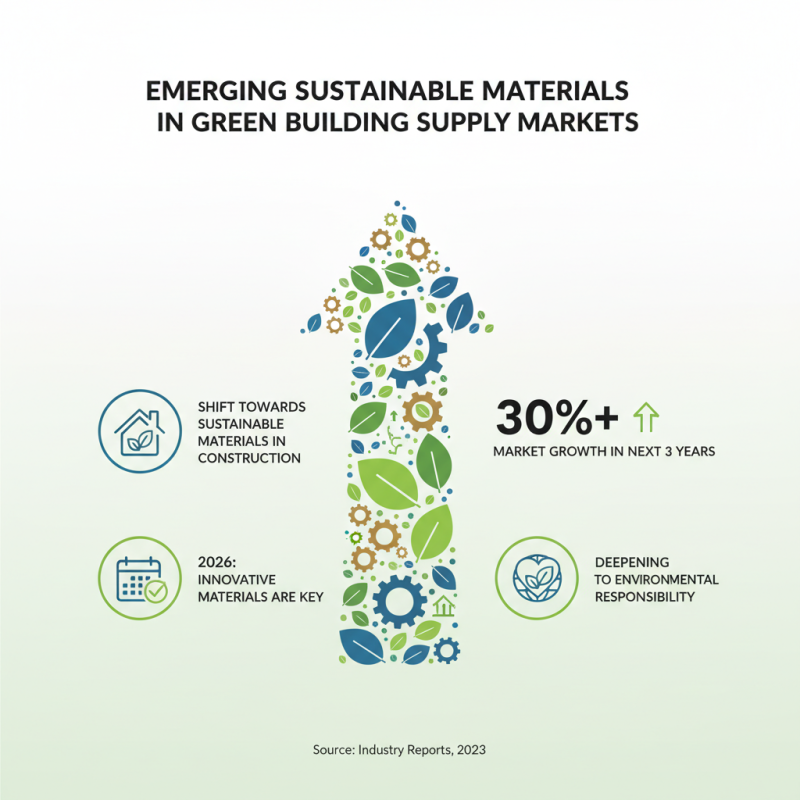
The construction industry is witnessing a significant shift towards sustainable materials. In 2026, emerging trends indicate that green building supply markets will heavily rely on innovative sustainable materials. Reports suggest that the sustainable materials market is expected to grow by over 30% in the next three years. This growth reflects a deepening commitment to environmental responsibility.

One area gaining traction is bio-based materials. These materials, derived from renewable resources, reduce carbon footprints significantly. For instance, hempcrete offers both insulation and a lightweight alternative to traditional concrete. Moreover, recycled metal usage is on the rise, promoting resource efficiency and reducing waste. However, challenges remain in sourcing and processing these materials effectively, leading to higher upfront costs.

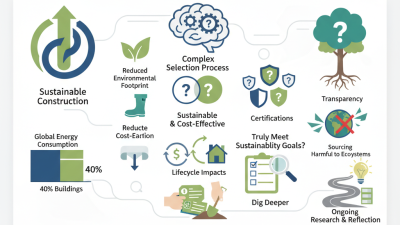
Tips for sourcing sustainable materials include connecting with local suppliers. Local sourcing can reduce shipment emissions and support community economies. Focus on products with certifications like LEED or Cradle to Cradle. Also, consider life cycle assessments; understanding a material’s entire lifespan helps identify long-term sustainability benefits. The transition to sustainable materials is vital but can be complex, requiring careful planning and creativity. Balancing cost and sustainability remains a challenge, underscoring the need for ongoing reflection in material sourcing choices.

Innovative Technologies Enhancing Energy Efficiency in Construction

The construction industry is experiencing a significant transformation with new technologies enhancing energy efficiency. Innovations such as smart building systems are now commonplace. These systems monitor energy use in real time, allowing for adjustments that can save up to 30% on energy bills, according to a 2022 report by the U.S. Department of Energy.

Integrating renewable energy sources, like solar panels, into building designs is becoming essential. Buildings equipped with photovoltaic systems can produce up to 100% of their energy needs. However, the upfront costs can be daunting. In a recent study, nearly 50% of builders cited financial barriers as a major challenge. This hesitance reflects a need for more financial support and incentivization.

Moreover, sustainable materials are gaining traction. The use of recycled and upcycled materials can reduce the carbon footprint of construction. A 2023 survey revealed that 40% of construction firms are adopting these techniques. Yet, many struggle with sourcing these materials consistently. The market's evolving nature demands resilience and adaptability. Builders face the ongoing challenge of balancing sustainability with cost-effectiveness while navigating an industry that still values traditional methods.

Trends in Recycled and Upcycled Materials for Eco-Friendly Buildings

Recycled and upcycled materials are gaining momentum in green building. These materials offer a unique opportunity to reduce waste and lower environmental impact. Many builders are increasingly turning to wood reclaimed from old structures. This not only preserves resources but also adds character to new builds. Salvaged bricks and tiles are also popular. They often come with a history, giving buildings a rich narrative.

The use of recycled metal is on the rise. It reduces the need for new mining, conserving precious natural resources. Steel and aluminum can be repurposed for new construction. However, sourcing quality recycled metal can be a challenge. Sometimes, the material may not meet current safety standards. This necessitates careful inspection and testing.

Upcycled products, such as transformed glass, play a role too. These materials can become stunning fixtures or even decorative elements. Designers are finding creative ways to incorporate them. Yet, relying on upcycled items can sometimes lead to unpredictable results. The availability and quality can vary greatly. It's a delicate balance between eco-friendliness and design integrity.

The Role of Smart Systems in Sustainable Building Solutions

The integration of smart systems into sustainable building solutions is revolutionizing the construction industry. These technologies enhance energy efficiency and resource management in buildings. Automated controls can adjust lighting and heating based on occupancy, which reduces energy consumption. For instance, smart thermostats learn user preferences and optimize heating accordingly.

Tips: Consider investing in smart sensors that detect sunlight levels. They can automatically adjust blinds to maintain ideal indoor temperatures, leading to energy savings. Use programmable systems that allow for remote access, making it easier to manage energy use when you are away from the property.

Despite the benefits, challenges exist. Implementation costs can be high for new systems, and there may be a learning curve for users. Integrating various technologies into existing infrastructures requires careful planning and sometimes significant retrofitting. Building owners should evaluate long-term savings against initial investments.

Tips: Conduct a cost-benefit analysis to determine potential savings. Training staff on these systems is crucial for minimizing operational hiccups. Engage with professionals who specialize in smart technology integration to streamline the process.

Regulatory Changes and Their Impact on Green Building Supplies

Regulatory changes significantly influence the green building supply sector. In recent years, new policies have emerged to promote sustainable practices. For instance, in 2023, a study indicated that over 70% of construction firms chose eco-friendly materials due to regulatory mandates. This shift pushes suppliers to innovate and produce greener products.

Building codes now often require energy-efficient solutions. The 2022 Green Building Market Brief revealed that such regulations drove a 25% increase in the use of renewable materials. Companies need to adapt to this landscape to remain competitive. However, some small suppliers struggle to meet these new standards. This gap highlights a need for support and training in the market.

As regulations evolve, the demand for specific green products will shift as well. The International Code Council noted that changes in codes could impact both supply availability and pricing. Moreover, manufacturers often find it challenging to align their products with evolving regulations. This complexity may create uncertainty. Companies must remain vigilant and adaptable in order to thrive.