7 Best Air Breathing Compressors for Global Buyers?
Choosing an air breathing compressor is not simply a matter of comparing pressure, motor size, or online ratings. Global buyers face different climates, electrical systems, service networks, and breathing-air standards. A reliable compressor must deliver clean, tested air under realistic working conditions.
Dr. Simon J. Mitchell, a leading diving-medicine specialist, has emphasized, “The quality of breathing gas is critical to diver safety.” That principle applies beyond diving. Air purity, moisture control, filtration, carbon-monoxide monitoring, and maintenance records deserve equal attention. A bright product page cannot replace laboratory testing or verified technical documentation.
This guide examines seven air breathing compressor options for international buyers. Each selection is considered through practical details, including output stability, filling speed, noise, portability, energy demand, and after-sales support. Some models suit professional dive centers. Others fit emergency-response teams, industrial breathing-air stations, or mobile operations.
No shortlist is perfect.
A compressor may perform well in a cool workshop yet struggle in humid coastal conditions. Another may offer strong pressure but limited local servicing. Buyers should confirm voltage compatibility, connector standards, replacement-filter availability, and certification requirements before ordering. Regional rules may differ, so independent compliance checks remain essential.
The comparisons below aim to be useful, not absolute. Real-world experience can expose weaknesses that brochures hide. Use the rankings as a starting point, then match each compressor with your air-quality needs, operating environment, budget, and trained maintenance capacity.
What Is an Air Breathing Compressor and How Does It Work?
An air breathing compressor is a machine designed to produce clean, compressed air for human breathing. Unlike a workshop compressor, it must control oil vapors, moisture, particles, and carbon monoxide. It draws atmospheric air through an intake filter, then compresses it through several stages. Each stage raises the pressure while generating heat. Intercoolers reduce that heat before the next compression step. This process supports applications such as diving, firefighting, and emergency breathing systems.
The air then passes through moisture separators and specialized purification filters. These components remove condensed water, oil traces, odors, and other contaminants. The final air quality depends on filter design, maintenance, and intake location. A compressor placed near vehicle exhaust cannot produce safe air simply because it has a new filter. Small details matter. Pressure gauges, relief valves, and automatic shutdown controls add important protection during operation.
For global buyers, I would check the compressor’s rated pressure, output volume, duty cycle, and power requirements. Electrical systems and spare-parts availability vary between countries. A reliable supplier should provide test records, maintenance instructions, and clear air-quality specifications. Look for traceable inspections. In practical use, filters may clog earlier than expected in dusty environments. That weakness is often overlooked. No system is perfect. Operators still need regular sampling, filter replacement, and careful intake checks. A cheaper unit can become expensive when downtime, replacement cartridges, and uncertain air quality enter the calculation.
Key Safety Standards for Selecting an Air Breathing Compressor
Choosing among the 7 best air breathing compressors starts with air quality, not output pressure. A reliable unit should produce breathable air that meets the destination market’s requirements. Common references include EN 12021 and CGA Grade E, but requirements differ by country and application. Check the latest local rules before purchasing.
Ask for recent laboratory test results. These should measure oxygen, carbon monoxide, carbon dioxide, oil vapour, moisture, and particles. A filter gauge should show service condition clearly. Replace filters by operating hours, not appearance alone. Clean-looking filters may already be saturated.
Look for pressure relief valves, non-return valves, high-temperature protection, and alarms for carbon monoxide or filter failure. Electrical parts need suitable certification for the installation environment. The compressor should also include traceable maintenance records and clear operating instructions.
Small details matter.
Inspect the intake location carefully. It must stay away from vehicle exhaust, generators, solvents, and dusty loading areas. A long intake hose may seem convenient, yet it can create contamination risks. Drain moisture regularly, especially in humid climates. A condensate drain left open can damage nearby equipment.
Supplier claims deserve verification. Request calibration certificates, spare-part availability, and a written quality-control procedure. Do not treat a certificate as permanent proof. Filters age, seals leak, and testing habits can weaken over time. In practice, buyers sometimes focus on flow rate and overlook emergency shutoff access. That mistake is easy to make, and expensive to correct.
Seven Leading Air Breathing Compressor Types for Global Buyers
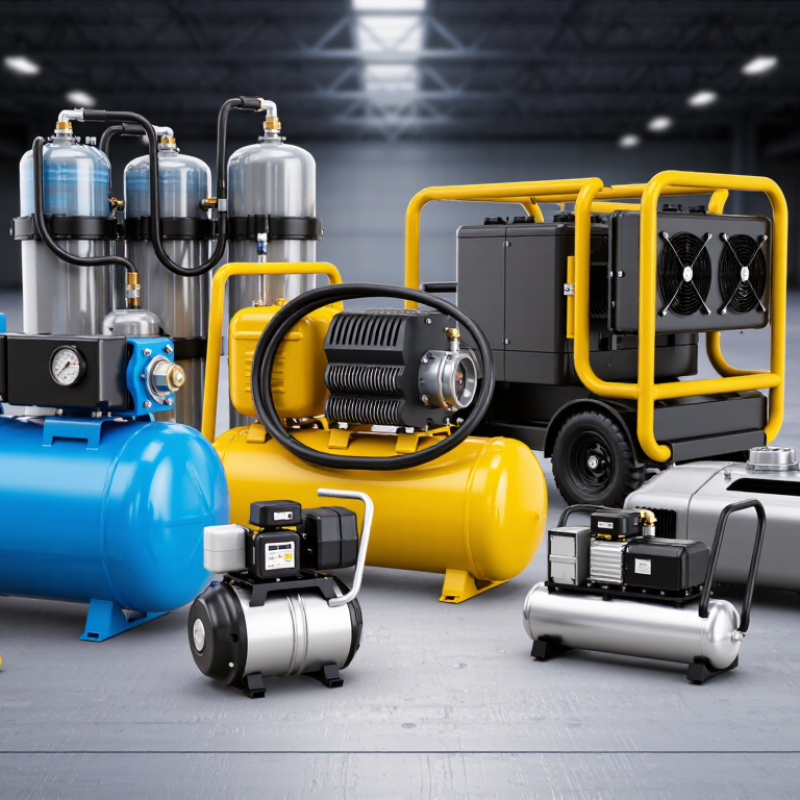
For global buyers, seven leading air breathing compressor types deserve careful comparison. Oil-free reciprocating compressors suit small clinics, training centers, and emergency stations. They deliver high pressure in compact frames, but piston wear can create vibration and heat. Diaphragm compressors isolate the air path from lubricants. They support demanding purity requirements, although their output is usually lower. Oil-free scroll compressors run quietly and produce smooth airflow. Their compact design works well indoors, where noise matters.
Oil-free rotary screw compressors provide steady flow for larger breathing-air systems. They need skilled servicing and adequate cooling. Oil-injected screw compressors can serve breathing applications only with certified filtration, monitoring, and strict maintenance. This option may reduce purchase costs, yet it increases dependence on filter changes. Centrifugal compressors are efficient for high-volume facilities, such as hospitals or industrial rescue centers. They are rarely practical for small users. High-pressure booster compressors raise already-clean air to storage or cylinder-filling pressure. They are powerful, but poor inlet-air quality remains a serious weakness.
In field work, portable electric compressors offer cleaner operation where reliable power exists. Portable engine-driven units add flexibility, but exhaust placement must be controlled carefully. Buyers should verify pressure ratings, moisture separators, carbon monoxide monitoring, noise levels, spare-parts access, and local breathing-air standards. I have found that published flow rates can look impressive. Real performance often falls in hot, dusty conditions. The cheapest type is not always the safest choice. Manufacturer testing matters, but site-specific inspection matters too.
How to Compare Performance, Portability, Maintenance, and Cost
Choosing among the 7 best air breathing compressors requires more than comparing advertised pressure. Performance should match the intended workload. Check delivered airflow, operating pressure, duty cycle, and recovery time. A compressor that reaches high pressure slowly may disappoint during repeated use. Air quality matters just as much. Confirm filtration stages, moisture removal, carbon monoxide monitoring, and compliance with recognized breathing-air standards.
Portability changes the buying decision. Measure the compressor’s weight, frame width, lifting points, and wheel quality. A compact unit is not truly portable if two people must carry it downstairs. Check power requirements carefully, especially for international use. Voltage, frequency, plugs, and generator compatibility can affect field performance. Noise levels also matter near training areas or residential sites.
Maintenance often decides the real cost. Review filter replacement intervals, oil requirements, drain access, and spare-part availability before ordering. Clear service instructions are valuable. So are local technicians. In practical equipment checks, small details, such as a difficult drain valve, can create repeated delays. Compare purchase price with energy use, scheduled servicing, transport, and downtime. The cheapest compressor may become expensive after one neglected filter change. I would also question unclear performance data. If testing conditions are missing, the numbers deserve less confidence. That hesitation is useful.
7 Best Air-Breathing Compressor Profiles for Global Buyers
Comparative index based on typical market specifications for breathing-air compressors. Higher scores indicate better performance, portability, maintenance convenience, or cost efficiency.
The benchmark combines typical output capacity, operating pressure, dry weight, service intervals, energy use, and purchase cost. Compact electric models usually lead in portability, while high-output diesel and industrial systems provide stronger continuous performance for commercial applications.
Which Air Breathing Compressor Best Fits Different Applications?
Choosing the right air breathing compressor depends on the application, not just pressure output. A compact unit may suit diving schools or mobile rescue teams, where easy transport matters. Firefighting stations often need higher flow, rapid filling, and reliable operation during long shifts. Industrial supplied-air systems require stable pressure, clean air delivery, and careful hose management. The best choice should match cylinder size, duty cycle, ambient temperature, and local breathing-air requirements.
Air purity deserves close attention. Moisture, oil vapors, carbon monoxide, and carbon dioxide can create serious risks. Look for suitable filtration stages, automatic condensate drains, pressure relief protection, and clear maintenance records. Experienced operators also check noise, vibration, cooling performance, and access to replacement filters. Small details matter. A compressor that fills quickly may still be unsuitable if its filtration system struggles in humid environments. That point is easy to miss.
Tips:
Confirm the required filling pressure before purchase. Test delivered air regularly through an approved laboratory. Keep intake vents away from vehicle exhaust, generators, and chemical storage. Train users to inspect hoses, valves, and drains before operation. Do not rely only on the display gauge; compare it with a calibrated instrument. A maintenance schedule should include filter changes, oil checks, leak inspections, and documented service intervals. In practice, buyers sometimes prioritize capacity and overlook technician support. That decision can become expensive later.

