
What is an Automatic Fire Shutter and How Does It Work?

An Automatic Fire Shutter is a crucial safety feature in modern buildings. It plays a significant role in fire prevention and property protection. These systems are designed to close automatically when a fire is detected. They help contain smoke and heat, limiting the spread of flames.

The technology behind Automatic Fire Shutter is fascinating. Sensors detect the first signs of fire. Once triggered, the shutter descends swiftly, creating a barrier. This action can save lives and protect valuable assets. Yet, like any technology, they can fail. Regular maintenance and testing are essential to ensure their reliability.

Inadequate understanding of these systems can lead to overlooked hazards. People may not recognize their importance until it's too late. Awareness and knowledge about Automatic Fire Shutters can truly make a difference. Investing time in learning could save lives in an emergency.
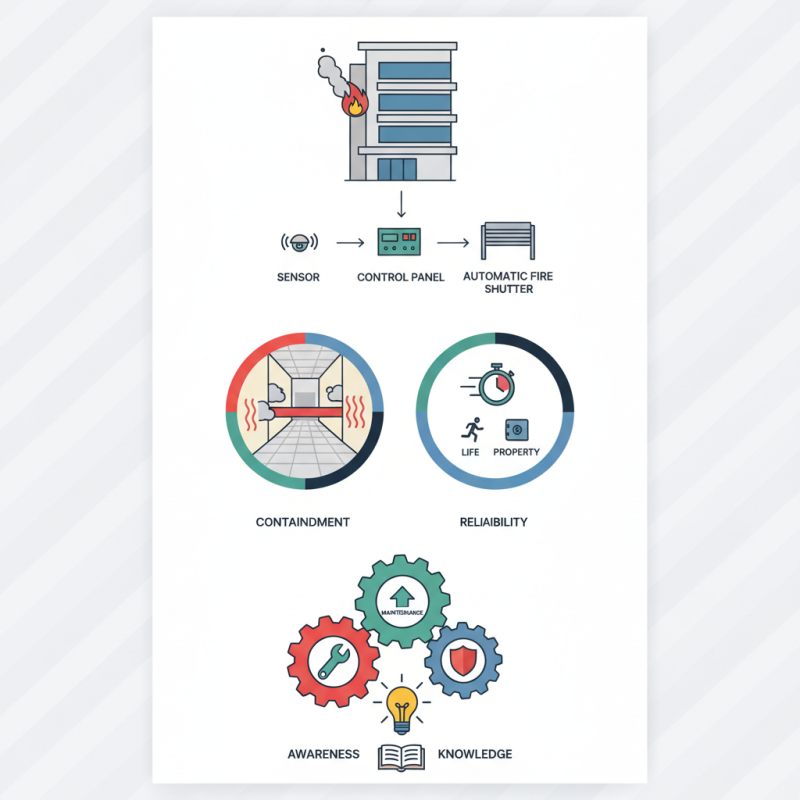
What is an Automatic Fire Shutter and How Does It Work?

Definition and Purpose of Automatic Fire Shutters

Automatic fire shutters are essential safety devices used in buildings. They help prevent the spread of fire and smoke. These shutters are often installed in doorways, openings, and other critical areas. When a fire is detected, the shutters automatically deploy. This action creates a barrier, restricting fire movement.

The purpose of these shutters goes beyond just fire safety. They also protect lives and property. In an emergency, every second counts. Automatic fire shutters can close quickly, acting fast to mitigate risk. They are designed to work seamlessly with fire alarm systems. However, maintenance is crucial. Regular checks ensure they function correctly. Neglecting this can lead to failure when it's needed the most.

While automatic fire shutters are effective, they still have limitations. In some cases, they may not deploy if sensors malfunction. Moreover, they may block smoke but not extinguish the fire. Understanding these aspects can help improve fire safety plans. Enhanced training and awareness can also make a difference. Each building should assess its unique needs to ensure maximum protection.

Key Components of Automatic Fire Shutter Systems

Automatic fire shutter systems are essential safety features in many buildings. These systems include several key components. The primary element is the shutter itself, typically made of fire-resistant materials. When a fire is detected, the shutter closes automatically to contain flames and smoke. This helps protect crucial areas, especially where flammable materials are stored or processed.

Another important component is the detection system. This system often includes smoke detectors and heat sensors. When these sensors detect a rise in temperature or smoke, they trigger the shutter mechanism. Control panels also play a role in these systems. They provide manual overrides and status indicators. Regular maintenance is necessary to ensure all components function effectively. Sometimes, the integration of these systems with alarm systems can be complex. Ensuring they work seamlessly is crucial.

Power sources can also be a weak spot. Many fire shutters rely on electricity to function. A power failure can render them useless. Some systems may include backup batteries for emergencies. Testing these components regularly is essential yet often overlooked. Attention to these details enhances safety.

How Automatic Fire Shutters Function During a Fire

Automatic fire shutters play a crucial role in fire safety. They are designed to close automatically when a fire is detected. This closure helps prevent the spread of smoke and flames between compartments. The mechanism relies on sensors and alarms, which trigger the shutters to descend.

During a fire, sensors monitor temperature and smoke levels. When conditions exceed preset thresholds, the shutters activate. They drop quickly and create a barrier. This prevents smoke from traveling through hallways or corridors. The materials used are often fire-resistant, adding an extra layer of protection. However, sometimes these systems may not work flawlessly. A sensor can malfunction or fail to detect smoke.

Regular maintenance is key to ensuring effectiveness. Building owners must perform checks on sensory and shutter functionality. Ignoring these tasks can lead to serious consequences during emergencies. It is vital to stay vigilant and proactive. Automation offers many benefits but also demands responsibility. False security can be dangerous. Every detail matters when it comes to fire safety.

Installation Requirements for Automatic Fire Shutters

Automatic fire shutters are crucial for enhancing safety in buildings. However, their installation requires careful planning. The location of the shutter is vital. It should be placed in areas where it can effectively block fire and smoke. Doors, openings, and partitions are common installation points.

Correct measurements are essential. Inaccurate dimensions can lead to ineffective barriers. Wall strength must also be assessed. Weak walls may not support the weight of the shutter properly. Installation should meet local safety codes. Compliance ensures both functionality and legal safety requirements are satisfied.

Furthermore, considering power supply is important. Automatic fire shutters often rely on electricity to operate. Backup systems should be in place in case of power failure. Maintenance is another aspect to reflect on. Regular checks are necessary to ensure they function as intended. Neglecting this can compromise safety and defeat the purpose of having fire shutters.

Automatic Fire Shutters: Installation Requirements

Maintenance and Testing of Automatic Fire Shutter Systems

Automatic fire shutters are essential for fire protection in buildings. They automatically close during a fire, blocking smoke and flames. Regular maintenance and testing of these systems are crucial to ensure their effectiveness.

To keep your fire shutter in optimal condition, inspect it at least twice a year. Look for any signs of rust or wear. Clean the tracks and ensure they are free of debris. This simple task can prevent malfunction during emergencies. Remember, small issues can escalate if neglected.

Tips: Document all maintenance activities. This creates a reliable history of the system's condition. Also, consider hiring a professional service for comprehensive checks. They can identify problems you might miss. Testing should be done at least annually, simulating a fire situation to confirm responsiveness.

Remember, these systems can fail if not well-maintained. It’s not uncommon for users to overlook minor issues. Regular attention helps ensure that automatic fire shutters perform as intended when needed the most.