Top Benefits of Coir Geotextile for Erosion Control?
Coir Geotextiles have emerged as a vital solution for erosion control in various landscapes. According to the Geosynthetics Industry Association, the demand for natural geotextiles, including coir, has increased by over 22% in the last five years. These biodegradable products not only prevent soil erosion but also promote vegetation growth. Expert Dr. Jane Thompson, a leading figure in soil conservation, states, “Coir geotextiles enhance environmental stability while being eco-friendly.”
The unique properties of coir geotextile contribute significantly to sustainable landscaping and restoration projects. They effectively retain moisture and provide a stable environment for plant roots. Studies show that coir can reduce soil displacement by as much as 60% in areas prone to erosion. Yet, some challenges remain, such as ensuring consistent quality in production. Variability in fiber quality can affect their performance.
As the industry grows, it faces a need for stricter standards and certifications. To make the most of coir geotextiles, users must also consider local soil conditions and vegetation types. Ultimately, integrating coir geotextiles into erosion control strategies may require a shift in approach and mindset. However, the potential benefits are substantial and worth exploring.
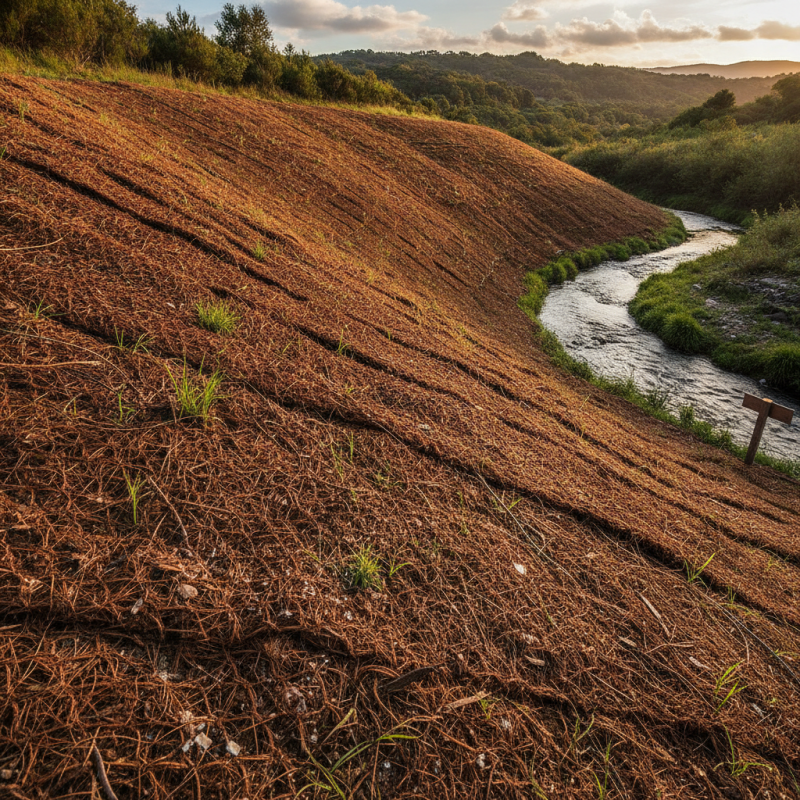
Definition and Composition of Coir Geotextile in Erosion Control
Coir geotextile is a natural material made from coconut husks. It is often used in erosion control projects due to its unique composition. With fibers that are both strong and flexible, coir geotextile provides effective soil stabilization. The fibrous structure allows for water permeability while retaining soil particles, making it a reliable choice for various terrains.
The composition of coir geotextile primarily includes coir fibers, which are biodegradable and environmentally friendly. These fibers are woven together to form mats that serve multiple purposes. They help prevent soil erosion by protecting the surface from water and wind impact. However, the durability of coir geotextile can vary based on environmental conditions. In areas with extreme weather, its lifespan may diminish.
While coir geotextile is generally effective, it is crucial to assess site-specific conditions before installation. Not every project will benefit equally from this material. Understanding local soil types and rainfall patterns can help in decision-making. Sometimes, combining coir geotextile with other materials can enhance its performance. By being mindful of these factors, users can optimize the effectiveness of coir geotextile for erosion control.
Top Benefits of Coir Geotextile for Erosion Control
Advantages of Coir Geotextile over Traditional Erosion Control Methods
Coir geotextiles offer several advantages over traditional erosion control methods. Made from coconut husk fibers, these natural materials effectively stabilize soil and reduce erosion. Unlike synthetic alternatives, coir is biodegradable and integrates well with the environment. This leads to healthier soil over time.
One significant benefit is water retention. Coir geotextiles can hold moisture better than many synthetic options. This encourages plant growth and enhances the ecosystem. Additionally, they promote root development, which helps anchor plants in place. However, it’s essential to monitor the installation process. If not properly placed, coir may not perform as expected.
Another advantage is the ability to filter water. Coir geotextiles allow water to pass through while trapping sediment and pollutants. This helps maintain water quality. Yet, one should remain cautious about their longevity. In harsh conditions, coir can degrade faster than anticipated. Consistent evaluation is necessary to ensure effectiveness.
Environmental Benefits of Using Coir Geotextile for Soil Conservation
Coir geotextiles are natural fibers derived from coconut husks. Their use in erosion control offers several environmental benefits. Studies show that coir geotextiles can reduce soil erosion by up to 85%. This effectiveness stems from their ability to stabilize soil while promoting vegetation growth. They provide a protective layer that shields the soil from harsh weather conditions.
The use of coir geotextiles supports biodiversity. By enhancing soil quality, they promote the growth of indigenous plants. These plants create natural habitats for wildlife. The increased vegetation cover can also improve water absorption, supporting local aquifers.
Tips: When selecting coir geotextiles, ensure that they meet industry standards for strength and durability. Look for certifications that confirm their effectiveness in erosion control.
Another environmental benefit is the reduction of carbon footprint. Coir is biodegradable and renewable. Unlike synthetic options, coir decomposes over time without harming the environment. It can improve soil health by adding organic matter as it breaks down, fostering a sustainable ecosystem.
However, some may find coir geotextiles less effective in extremely wet conditions. They can also require maintenance to keep them functional over time. It’s essential to evaluate the specific environmental context before implementation.
Applications of Coir Geotextile in Various Erosion-Prone Areas
Coir geotextiles are natural fibers derived from coconut husks. They are beneficial for erosion control in various applications. In rural areas, coir geotextiles can stabilize steep slopes. They are used widely in agriculture, helping to protect soil from water runoff.
Coir is effective in urban environments too. It can be installed along roadways to prevent soil erosion after heavy rains. These geotextiles support plant growth, enhancing green spaces. The porous nature of coir allows water to pass through while holding the soil intact.
Tips: Ensure proper installation of coir geotextiles in high-traffic areas for best results. Monitor conditions regularly, as wear and tear can affect performance. In some locations, coir may not be suitable; evaluate climate and soil types before application.
Best Practices for Implementing Coir Geotextile in Erosion Control Projects
Coir geotextile is an effective solution for erosion control. When implementing coir geotextile in projects, several best practices can enhance its performance. Choose high-quality coir fabric that has optimal tensile strength and durability. This ensures it can withstand environmental stressors. Proper installation is key. Lay the geotextile flat, avoiding creases or overlaps. Secure the edges to prevent displacement during heavy rain.
Before installation, assess the site conditions carefully. Understand soil types, drainage patterns, and vegetation. This knowledge helps in determining the ideal application of coir geotextiles. Additionally, incorporate native plants around the geotextile. They provide natural stabilization and reduce the need for maintenance. Regular monitoring of the site is also essential. Check for signs of erosion or failure in the geotextile.
While coir is a resilient material, challenges can arise. In areas with extreme weather, the geotextile may degrade faster than expected. It’s important to be prepared for such scenarios. Continuous education on the geotextile's life cycle can help improve future projects. Adjustments may be needed based on specific environmental conditions.

