
Best Diesel Hybrid Cars for Global Buyers in 2026?

As the automotive industry evolves, Diesel Hybrid Cars emerge as a practical choice for eco-conscious consumers. These vehicles combine the efficiency of diesel engines with the benefits of hybrid technology. By 2026, many global buyers might seek these cars for better fuel economy and lower emissions.

The demand for Diesel Hybrid Cars is growing rapidly. Consumers want to reduce their carbon footprint while enjoying the power of diesel engines. However, there is still debate about their long-term impact on the environment. Are these cars a viable solution, or just a temporary fix?

In exploring the best options for 2026, we must evaluate various factors. Performance, reliability, and cost-effectiveness all play crucial roles. Balancing these elements can be challenging. As technology advances, the market will continuously shift, making it vital to stay informed.
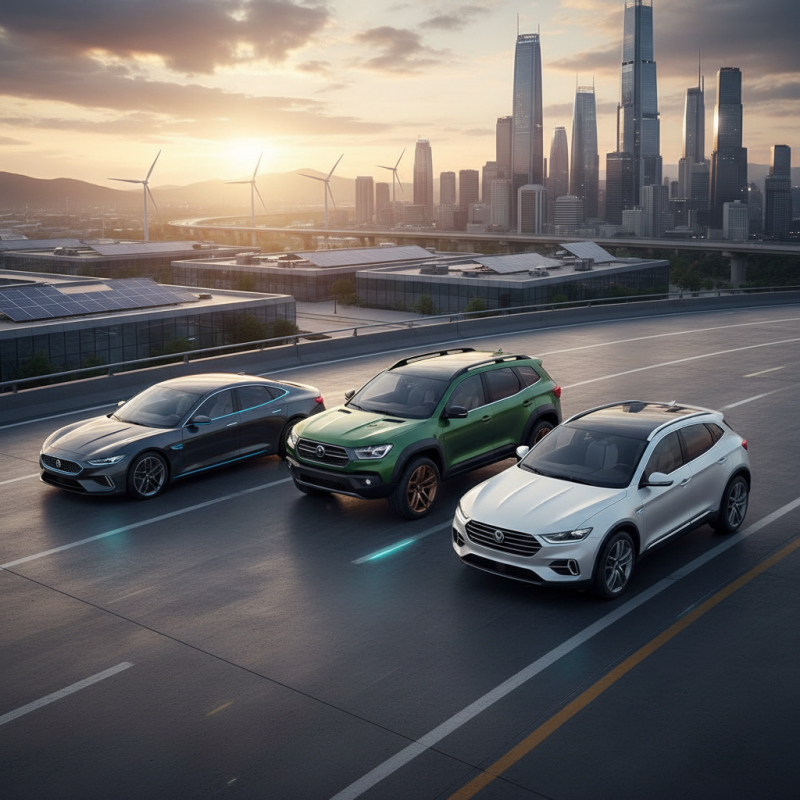
Best Diesel Hybrid Cars for Global Buyers in 2026?

Overview of Diesel Hybrid Technology and Its Advantages

Diesel hybrid technology is gaining traction in today's auto industry. Combining diesel engines with electric motors offers remarkable efficiency. These cars emit fewer pollutants compared to traditional gasoline vehicles. They use less fuel, which can be particularly appealing in regions with rising fuel costs.

One significant advantage is their longer driving range. Diesel engines generally provide better mileage. This can reduce the frequency of refueling trips, a consideration for many drivers. However, the complexity of hybrid systems may lead to higher maintenance costs, a drawback worth noting.

Despite these challenges, diesel hybrids can enhance performance. They offer a unique blend of torque and power, providing a dynamic driving experience. Buyers should weigh the benefits against potential repair expenses. The market's evolution suggests a promising future for these vehicles.

Key Features to Consider in Diesel Hybrid Cars for 2026

When considering diesel hybrid cars for 2026, key features become increasingly important. Efficiency stands out as a primary concern for many buyers. A well-designed hybrid system should optimize fuel consumption while delivering power and performance. This balance is crucial, especially for long-distance travel. Ideally, vehicles should offer at least a 60-mpg rating, maximizing every drop of fuel.

Moreover, advanced technology is essential. Look for models equipped with regenerative braking systems. These systems capture energy typically lost during braking. With electric motors augmenting the diesel engine, buyers can expect improved acceleration and reduced emissions. Infotainment systems should also be intuitive and user-friendly, integrating seamlessly with smartphones and GPS devices.

Safety features often require more attention. As innovations emerge, buyers need to prioritize vehicles with robust safety ratings. Features like automatic emergency braking and lane-keeping assist can enhance road safety considerably. Only a few models may excel in these areas, making thorough research necessary. While these features are promising, it’s essential to remain critical of claims made by manufacturers. Always seek independent reviews to gain reliable insights into performance and reliability.

Top Diesel Hybrid Models Available for Global Buyers in 2026

In 2026, diesel hybrid vehicles will gain significant traction among global buyers. Reports indicate that the market for diesel hybrids is expected to grow at a compound annual growth rate (CAGR) of 5.4%. European markets, in particular, show a strong preference for these models due to their efficiency and lower emissions compared to traditional vehicles.

The leading diesel hybrid models will incorporate advanced technologies. Many will use smaller, turbocharged engines combined with electric motors. This combination not only enhances fuel efficiency but also provides better torque, improving performance. The shift towards cleaner energy sources has prompted many manufacturers to invest in this technology, aiming to meet stringent emission regulations.

Despite the advantages, challenges remain. Concerns about the longevity of diesel engines in hybrid configurations persist. Some experts argue that consumer perception toward diesel remains mixed. Additionally, the charging infrastructure for hybrids is still less developed than for purely electric vehicles. This presents a hurdle for widespread adoption. While diesel hybrids offer promising benefits, further research and consumer education will be necessary for success.

Comparative Analysis of Diesel Hybrid Cars: Performance and Efficiency

The diesel hybrid market is evolving rapidly, offering impressive performance and fuel efficiency. A 2022 report from the International Energy Agency (IEA) indicates that diesel hybrids can achieve around 60 miles per gallon under optimal conditions. This efficiency level significantly reduces carbon emissions compared to traditional engines. As global awareness of environmental issues rises, many consumers are seeking greener transportation options.

Performance metrics show that diesel hybrids provide robust torque and acceleration due to their dual power sources. However, there remains a gap in achieving seamless transitions between electric and diesel power. Some drivers report feeling hesitance in acceleration, especially in city driving scenarios. Additionally, the complexity of hybrid systems may lead to higher maintenance costs, posing a consideration for potential buyers.

While diesel hybrids boast impressive fuel economy, urban environments can challenge their efficiency. City driving often leads to subpar fuel consumption, around 40 miles per gallon in stop-and-go traffic. Real-world performance can vary, and potential buyers must weigh these factors against their driving habits and expectations. Balancing cost, efficiency, and performance will be key for consumers in making informed choices as the market grows.

Best Diesel Hybrid Cars for Global Buyers in 2026

Model Horsepower Fuel Efficiency (mpg) Electric Range (miles) CO2 Emissions (g/km)
Model A 150 hp 65 mpg 30 miles 95 g/km
Model B 180 hp 70 mpg 35 miles 90 g/km
Model C 200 hp 60 mpg 25 miles 100 g/km
Model D 170 hp 68 mpg 40 miles 88 g/km
Model E 160 hp 64 mpg 32 miles 92 g/km

Future Trends in Diesel Hybrid Technology and Market Predictions

As we project into 2026, the diesel hybrid market is poised for significant evolution. Industry reports suggest that diesel hybrids will constitute a notable segment of the global automotive market. The combination of diesel efficiency and electric power is appealing to eco-conscious drivers and fleet operators alike. According to a study by the International Energy Agency (IEA), emissions from transportation could be reduced by 30% by integrating hybrid technologies, including diesel variants.

The transition to diesel hybrids will also rely on advancements in battery technology. An analysis from BloombergNEF indicates that battery costs are expected to drop by 60% by 2030. This affordability can enhance the attractiveness of diesel hybrids, allowing for more accessible ownership. However, regulatory challenges may create hurdles. Countries may introduce strict emission regulations that could impact diesel adoption.

Tips: When considering a diesel hybrid, think about your driving habits. Evaluate if hybrid efficiency suits your daily commute. Also, stay updated on local regulations, as policies may shift rapidly. Remember, while diesel hybrids offer fuel economy, they still require mindful usage to maximize benefits.

Best Diesel Hybrid Cars for Global Buyers in 2026

This chart represents predicted metrics for diesel hybrid cars in 2026, focusing on fuel efficiency, emissions levels, market share, and technology adoption rates. These figures indicate a trend towards increased efficiency and reduced environmental impact as diesel hybrid technology evolves.