
We use cookies on our website to give you an improved browser experience. View our Privacy Policy for more information. Please make your selection to opt in or out of ALL cookies here: Accept or Decline
Choosing the right Scaffold Jack Base is a practical safety decision, not merely a price comparison.
A stable base supports load transfer, leveling, and safer adjustment on uneven ground.
Small details matter.
Thread quality, plate thickness, pin design, and corrosion protection can affect daily performance.
The International Labour Organization reported approximately 2.93 million work-related deaths worldwide each year in its 2023 safety report.
Construction remains one of the most exposed industries.
In the United States, OSHA recorded 395 fatal construction falls among 1,069 construction deaths in 2022.
These figures do not prove that every incident involves faulty equipment.
They do show why reliable scaffold components deserve careful evaluation.
This guide compares seven Scaffold Jack Base options for global buyers.
The review considers adjustment range, working load information, material quality, compatibility, surface treatment, and supplier documentation.
Relevant references include EN 12811-1, BS 1139, AS/NZS 1576.1, and applicable local requirements.
Standards may differ between markets.
A product suitable for one project may require additional verification elsewhere.
Buyers should request test reports, traceable material records, installation guidance, and clear load tables.
Experienced contractors also inspect threads before assembly and check base plates after transport.
A clean thread is not a luxury.
It can determine whether adjustment remains smooth under demanding site conditions.
No shortlist is perfect.
Manufacturers sometimes publish incomplete data, and buyers may overlook ground conditions.
Therefore, the final choice should combine documented performance, professional judgment, and site-specific engineering review.
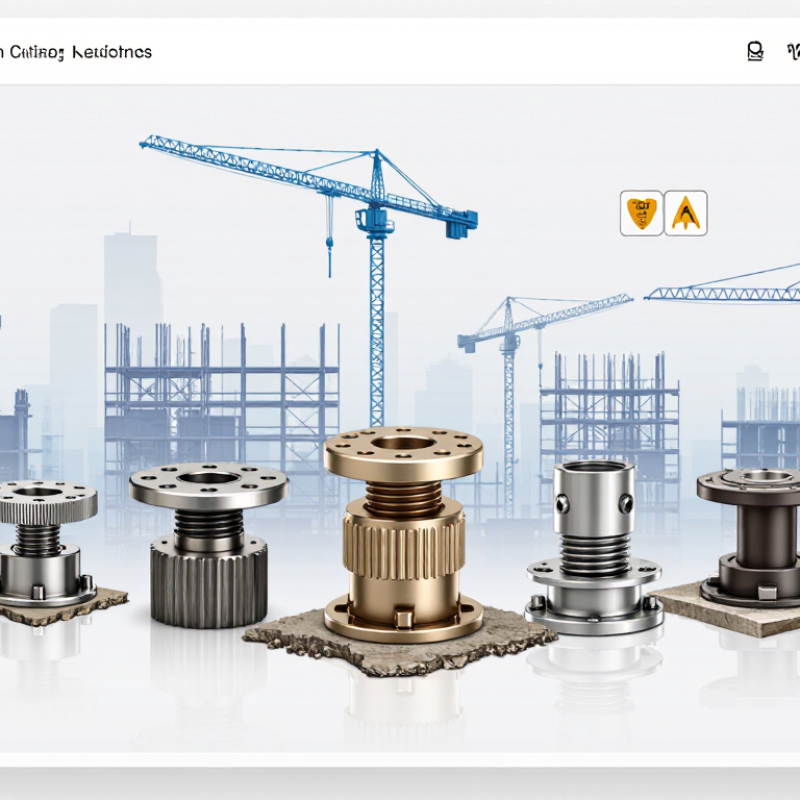
A scaffold jack base is an adjustable support used beneath a scaffold standard. It helps workers level the structure on uneven ground. The base transfers vertical loads toward the supporting surface. It also improves stability when platform heights need precise adjustment.
A typical jack base includes a threaded steel stem, a welded or cast base plate, and an adjustment collar. Some designs include a locking pin or retaining mechanism. The thread allows controlled height changes, while the plate spreads pressure across timber, concrete, or another approved support.
A swivel head can improve contact on sloped surfaces, but it requires careful inspection. Small gaps matter.
In practical site checks, buyers should examine thread quality, weld consistency, plate thickness, and corrosion protection. The stem should turn smoothly without excessive looseness. The collar must hold its position under the specified working load. Always compare dimensions with the scaffold system and follow the supplier’s load data. A larger plate is not automatically safer. Ground bearing capacity still matters.
For global buyers comparing seven jack base options, useful categories include fixed plates, swivel plates, U-head supports, heavy-duty models, compact models, galvanized versions, and fine-adjustment designs. Each option suits different ground conditions and load requirements.
One overlooked issue is transport damage. Bent threads can appear minor, yet they may prevent reliable adjustment. When uncertain, replace the part rather than forcing it into service.
Seven options deserve separate checks: fixed base plates, adjustable screw jacks, U-head jacks, swivel bases, castor bases, fork heads, and integrated leveling bases. Do not compare price alone. Measure adjustment range, thread diameter, base footprint, steel grade, corrosion protection, and locking method. OSHA 29 CFR 1926.451 requires supported scaffolds to carry their weight and four times the maximum intended load. That four-times rule is a screening point, not a substitute for engineered design. The WHO/ILO Joint Estimates published in 2023 reported 2.93 million annual deaths linked to work-related factors globally. That figure is sobering.
Fixed plates suit firm, level slabs, but they offer little correction for unevenness. Adjustable screw jacks provide height control; check exposed thread, nut engagement, and visible deformation. U-heads distribute ledgers or stringers differently, so contact width matters. Swivel bases help on slopes, yet hinge wear can create movement.
Castor bases improve mobility, but wheel locks need site verification. Fork heads and integrated leveling bases may speed erection, though unusual dimensions can complicate global replacement. Some catalogs blur these categories.
For international purchasing, request test reports, batch traceability, coating thickness, and declared working loads. Compare the working load at the actual extension, not the headline capacity. Check metric and imperial threads. EN 12811-1 covers temporary works equipment performance and design principles, while local rules may impose stricter requirements. Ask whether testing included vertical compression, eccentric loading, or repeated adjustment. I would inspect ten samples because one clean photograph proves very little. That step costs time. Yet it may expose loose nuts, poor welds, or misleading tolerances before shipment.
7 Best Scaffold Jack Base Options for Global Buyers
Load Capacity, Adjustment Range, and Material Quality
For global buyers, the seven practical scaffold jack base options include fixed, swivel, U-head, heavy-duty, telescopic, wide-plate, and locking-collar designs. Fixed bases suit level concrete slabs. Swivel bases help manage mild ground slopes. U-head models support frames, beams, and ledger systems. Telescopic jacks speed up positioning, while wide plates reduce ground pressure. However, “heavy-duty” is not a universal rating. European Standard EN 12811-1 defines scaffold load classes from 0.75 to 6.00 kN/m². Buyers should match the jack’s tested working load with the complete scaffold design.
Adjustment range matters during uneven installation. A longer threaded section offers flexibility, but excessive exposed thread can reduce stability. Practical selection should include the minimum height, maximum extension, thread diameter, collar design, and locking method. A 450 mm range may be useful on mixed-level floors, but only when the manufacturer confirms its safe working load throughout that range. OSHA 29 CFR 1926.451 requires scaffold components to support their own weight and at least four times the maximum intended load. This rule does not replace engineering calculations.
Material quality also needs evidence. Hot-dip galvanized steel can improve corrosion resistance; ISO 1461 specifies coating requirements based on steel thickness. Inspectors should check weld continuity, thread accuracy, plate deformation, and visible rust. A polished surface is not proof of strength. I would request batch test certificates, dimensional drawings, and independent load-test records. Catalog tables are helpful, but they can still hide assumptions.
7 Best Scaffold Jack Base Options for Global Buyers
Choosing a scaffold jack base is a safety decision, not a catalog preference. The seven practical options include fixed soleplate, swivel base, U-head jack, fork-head jack, heavy-duty jack, adjustable base, and galvanized outdoor jack. Each must match the scaffold tube diameter, thread size, load rating, and frame system. A loose fit can create movement at the base. That detail is often underestimated.
OSHA estimates that about 2.3 million construction workers use scaffolds, with approximately 4,500 injuries and 50 deaths reported annually from scaffold-related incidents. HSE recorded 51 fatal injuries in Great Britain’s construction sector during 2023/24, with falls remaining a major hazard. These figures support strict installation controls. Buyers should verify compliance with OSHA 1926.451, EN 12811-1, or AS/NZS 1576, depending on the work location. Product certificates should show thread quality, plate dimensions, weld inspection, and tested safe working load.
Installation begins on firm, level ground. Use sole boards where soil may settle. Keep the screw spindle engaged within the manufacturer’s marked adjustment range. Check that the base plate sits fully flat, with no visible bending or damaged threads. A swivel jack can help on uneven surfaces, but it cannot correct unstable foundations. In field inspections, small height differences often cause larger frame alignment problems. I would also recheck every jack after the first shift, because initial settlement is easy to miss.
| Option | Typical Configuration | Best Application | Compatibility | Typical Adjustment or Size Range | Key Safety Standards and References | Installation Requirements | Important Buying Checks |
|---|---|---|---|---|---|---|---|
| 1. Fixed Base Plate | Welded or formed steel plate with a central locating pin or socket. | Stable scaffolds erected on level, load-bearing surfaces where no height adjustment is required. | Compatible with tube-and-fitting scaffold standards when the plate socket matches the outside diameter and connection method of the vertical tube. | Common plate footprints are approximately 120–180 mm square or round; dimensions vary by system design. | Use within a scaffold system designed and checked in accordance with EN 12811-1, applicable national regulations, and the system supplier’s instructions. | Place every plate on a sound, level sole board or engineered support surface. Keep the plate fully supported and align the standards vertically. | Confirm plate thickness, weld quality, socket dimensions, corrosion protection, and the tested load rating of the complete scaffold system. |
| 2. Adjustable Screw Jack Base | Threaded vertical spindle, base plate, adjustment nut, and retaining or locking component. | Leveling scaffolds on uneven ground or correcting small differences in floor elevation. | Suitable for tube-and-fitting, ring-lock, cuplock, frame, and other modular systems only when the spindle diameter, nut, and connector are system-compatible. | Typical adjustment ranges are about 300–600 mm; the usable range must be limited by the manufacturer’s marked extension limit. | Relevant design and use principles include EN 12811-1, EN 74 connection requirements where applicable, OSHA 29 CFR 1926.451 in the United States, and local scaffold regulations. | Use a level sole board or engineered base. Do not exceed the permitted exposed spindle length. Tighten the adjustment nut and prevent lateral movement. | Check thread form, spindle diameter, base dimensions, locking method, corrosion resistance, and verified axial load capacity at the intended extension. |
| 3. U-Head Adjustable Jack | Adjustable threaded jack fitted with a U-shaped head for supporting beams, ledgers, bearers, or formwork members. | Temporary propping, shoring, slab support, and applications where the supported member must sit securely in a cradle. | Compatible with scaffold tubes, timber beams, steel bearers, and modular shoring towers when the U-head width and load path are suitable. | Typical spindle adjustment is approximately 300–600 mm; U-head widths commonly range from about 100–165 mm. | Use with an engineered temporary-works design and applicable requirements such as EN 12811-1, EN 1065 where telescopic props are used, or local shoring regulations. | Center the supported member in the U-head, maintain full bearing, secure against displacement, and install the tower or prop on a level, load-bearing base. | Verify U-head depth, saddle width, spindle extension limit, locking arrangement, and the rated load for the complete assembled support. |
| 4. Swivel or Tilting Base Plate | Base plate mounted on a pivot or spherical joint to accommodate limited slope or angular alignment. | Scaffolds erected on sloping terrain, ramps, irregular concrete, or structures where a rigid flat plate would not sit evenly. | Compatible only with scaffold systems and sole boards designed to accept the specific swivel base geometry and load direction. | Common angular compensation is approximately 5–15 degrees, depending on design; the exact angle must be confirmed before purchase. | Apply EN 12811-1 and local requirements for foundation stability, load transfer, bracing, and scaffold erection. | Use a properly sized sole board or engineered foundation. Ensure the joint is correctly oriented, fully seated, and restrained from sliding or rolling. | Check permitted angle, locking mechanism, contact area, joint strength, and whether the rated capacity changes when the base is inclined. |
| 5. Fork-Head Jack Base | Adjustable jack with a forked or saddle-shaped head for receiving horizontal scaffold members or shoring bearers. | Shoring towers, falsework, temporary beam support, and load-bearing platforms requiring positive member positioning. | Works with modular scaffold towers and shoring frames when the fork width, connector type, and vertical load path match the system. | Typical adjustment ranges are approximately 300–600 mm; fork openings often fall within about 80–150 mm. | Use an engineered design based on EN 12811-1, applicable temporary-works guidance, and national requirements for stability and load capacity. | Seat the bearer centrally in the fork, prevent uplift or sideways displacement, and install diagonal bracing where required by the design. | Confirm fork opening, head depth, spindle extension, locking nut, weld inspection, and tested capacity under eccentric loading. |
| 6. Caster Jack Base | Lockable caster assembly combined with a jack or leveling mechanism for mobile scaffold towers. | Mobile access towers used on smooth, firm, unobstructed indoor or outdoor surfaces. | Compatible with mobile towers only when the caster stem, frame socket, wheel diameter, braking system, and tower design are matched. | Common wheel diameters are approximately 125–200 mm; lift or leveling travel varies by model. | Mobile tower requirements may include EN 1004-1, EN 1004-2, OSHA 29 CFR 1926.452(w), and applicable local regulations. | Lock all wheels before climbing or working. Use only on firm, level surfaces; maintain the required height-to-base ratio and never move the tower while occupied. | Check wheel load rating, brake effectiveness, stem dimensions, swivel function, leveling travel, and compatibility with the tower manufacturer’s instructions. |
| 7. Heavy-Duty Base Jack with Enlarged Plate | Large-footprint adjustable jack designed to distribute vertical loads over a wider support area. | Heavy-duty shoring, high-load scaffold towers, industrial maintenance platforms, and applications with increased foundation pressure. | Compatible with heavy-duty modular or tube-and-fitting systems when the spindle, connector, frame, and bracing are designed for the applied load. | Typical base footprints are approximately 150–220 mm or larger; adjustment travel is commonly about 300–600 mm. | Require a project-specific design using EN 12811-1, relevant national scaffold rules, and structural checks for foundation pressure and buckling. | Install on engineered sole boards or a verified concrete foundation. Keep the jack plumb, limit spindle extension, and provide the specified bracing and tie-ins. | Request verified axial capacity, buckling data, plate bearing area, spindle dimensions, material grade, weld inspection records, and coating specification. |
Buyer note: Dimensions and adjustment ranges shown are typical market ranges, not universal specifications. Final selection must be based on the complete scaffold or shoring design, verified load calculations, local regulations, ground conditions, and the supplier’s tested installation instructions.
7 Best Scaffold Jack Base Options for Global Buyers
Choosing the Right Jack Base for Different Global Projects
Global projects rarely share identical ground conditions, loads, or scaffold layouts. A 2024 market analysis estimated the global scaffolding market at over USD 60 billion, showing how varied these applications have become. The right jack base must match the project, not merely the supplier’s catalogue.
A fixed screw jack suits level concrete floors and regular access towers. A swivel jack follows uneven slabs and helps reduce frame stress. U-head jacks support beams, formwork, and temporary roof structures. Base plates work well under light-duty frames on prepared surfaces. Heavy-duty adjustable jacks handle greater axial loads, but require verified load tables. Wide-foot jacks reduce settlement on compacted soil. Jack bases with corrosion-resistant finishes fit humid ports and coastal sites better.
Seven options. Different risks.
During field inspections, I have seen threads packed with cement dust and still treated as adjustable. That is a poor assumption. Check thread diameter, adjustment range, locking devices, plate thickness, and tested load capacity. A 2023 safety report from the International Labour Organization identifies construction as one of the highest-risk industries worldwide, while fall-related incidents remain a major concern. Stability begins at the base.
Local standards also matter. European projects may reference EN 12811, while other regions use national scaffold codes. Confirm material certificates and inspection records before shipment. I would not select the cheapest jack. Sometimes, a slightly wider base prevents expensive movement, rework, and uncomfortable questions later.
We use cookies on our website to give you an improved browser experience. View our Privacy Policy for more information. Please make your selection to opt in or out of ALL cookies here: Accept or Decline
Do you consent to the use of ALL cookies?
901 2nd Court West
Birmingham, AL 35204
Sales: 866.481.4036
Logistics/Ops: 866.481.4036
2101 Dralle Road
University Park, IL 60466
Sales: 708.813.9070
Logistics/Ops: 708.235.4200
400 E. 13th Street
Little Rock, AR 72114
Sales: 866.760.5344
Logistics/Ops: 866.760.5344
225 Collins Road
Elkhart, IN 46515
Sales: 574.295.0214
Logistics/Ops: 574.607.4611
601 Berryman Pike
Tipton, IN 46072
Sales: 800.897.7591
Logistics/Ops: 800.897.7591
3900 Uvalda Street
Denver, CO 80239
Sales: 303.706.8000
Ops/Logistics: 303.576.8398
510 3rd Street E
Milan, IL 61264
Sales: 800.322.1052
Logistics/Ops: 800.322.1052
1660 E. Aurora
Des Moines, IA 50313
Sales: 800.671.1660
Logistics: 800.671.1660
86554 Gene Lasserre Blvd.
Yulee, FL 32097
Sales: 904.253.3060
Logistics/Ops: 904.225.3000
694 S.E. County Road 245
Lake City, FL 32025
Sales: 800.727.6706
Logistics/Ops: 386.752.7412
210 Neptune Road
Auburndale, FL 33823
Sales: 863.967.1131
Logistics/Ops: 863.777.9814
4601 McCoy Drive
Pensacola, FL 32503
Sales: 850.308.7030
Logistics/Ops: 850.434.5502
815 South 56th Street
Tampa, FL 33619
Sales: 813.302.1940
Logistics/Ops: 813.621.1352
200 Hosea Road
Lawrenceville, GA 30046
Sales: 770.953.7575
Logistics/Ops: 770.513.6000
Branch Product Guide
Branch Line Card
Moulding Offering
Cedar Offering
Column Offering
8173 Hwy. 165 North
Monroe, LA 71211
Sales: 800.256.4165
Logistics/Ops: 800.256.4165
508 Warren Avenue
Portland, ME 04103
Sales: 207.888.2331
Logistics/Ops: 207.797.6565
4300 Georgia Pacific Blvd.
Frederick, MD 21704
Sales: 301.798.7474
Logistics/Ops: 301.874.8000
419 Maple Street
Bellingham, MA 02019
Sales: 508.449.0535
Logistics/Ops: 508.966.5500
825 Buchanan Ave SW
Grand Rapids, MI 49507
Sales: 877.800.1180
Logistics/Ops: 616.278.0909
995 Pacific St. NW
Aitkin, MN 56431
Sales: 800.432.3727
Logistics/Ops: 218.212.7770
1102 Port Terminal Drive
Duluth, MN 55802
Sales: 800.951.9899
Logistics/Ops: 800.851.9899
9110 83rd Ave. North
Brooklyn Park, MN 55445
Sales: 763.425.0204
Logistics/Ops: 763.425.0204
910 E. Railroad Street
Long Beach, MS 39560
Sales: 866.535.4135
Logistics/Ops: 228.205.2400
1727 Warren Street
North Kansas City, MO 64116
Sales: 800.621.2611
Logistics/Ops: 800.621.2611
2123 North Golden
Springfield, MO 65803
Sales: 800.375.7891
Logistics/Ops: 800.375.7891
13860 Corp. Woods Trail
Bridgeton, MO 63044
Sales: 314.209.0800
Logistics/Ops: 314.209.0800
1109 South 19th Street
Omaha, NE 68108
Sales: 800.489.6637
Logistics/Ops: 800.489.6637
1 Luger Road
Denville, NJ 07834
Sales: 973-339-3539
Logistics/Ops: 973.625.1461
3720 Jeffrey Blvd.
Blasdell, NY 14219
Sales: 716.235.5989
Logistics/Ops: 716.825.6557
319 Yaphank Ave.
Yaphank, NY 11980
Sales: 631.358.5714
Logistics/Ops: 631.924.7401
3300 Parkside Drive
Charlotte, NC 28208
Sales: 800.839.2588
Logistics/Ops: 704.394.3172
1712 East D Street
Butner, NC 27509
Sales: 984.389.8200
Logistics/Ops: 919.575.3700
128 Foothills Drive
Statesville, NC 28687
Sales: 800.222.1414
Logistics/Ops: 704.394.3172
550 Munroe Falls Rd.
Tallmadge, OH 44278
Sales: 330.357.4506
Logistics/Ops: 330.794.1141
10347 Toebben Dr.
Independence, KY 41051
Sales: 859.298.3926
Logistics/Ops: 859.746.2250
450 N. MacArthur
Oklahoma City, OK 73127
Sales: 800.375.6025
Logistics/Ops: 800.375.6025
1680 North Aspen
Broken Arrow, OK 74012
Sales: 918.272.2212
Logistics/Ops: 918.272.2212
522 Bridge Street
Hunker, PA 15639
Sales: 878.217.2001
Logistics/Ops: 724.925.7285
4290 Atlanta Street
Charleston, SC 29418
Sales: 843.371.1420
Logistics/Ops: 843.554.8192
1040 S. Industrial Dr.
Erwin, TN 37650
Sales: 423.641.1005
Logistics/Ops: 423.742.5911
4287 Pilot Drive
Memphis, TN 38118
Sales: 901.365.2101
Logistics/Ops: 901.365.2101
700 Myatt Drive
Madison, TN 37115
Sales: 615.327.9547
Logistics/Ops: 629.777.4949
4747 Mark IV Parkway
Fort Worth, TX 76106
Sales: 866.323.5117
Logistics/Ops: 817.625.9091
6990 Market Avenue
El Paso, TX 79915
Sales: 915.778.6356
Logistics/Ops: 915.265.7200
2502 Wilson Road
Harlingen, TX 78552
Sales: 800.580.6711
Logistics/Ops: 800.580.6711
10,000 North Loop East
Houston, TX 77029
Sales: 713.921.1977
Logistics/Ops: 713.675.3544
702 East 44th St.
Lubbock, TX 79404
Sales: 866.454.6010
Logistics/Ops: 866.454.6010
535 N. WW White Road
San Antonio, TX 78219
Sales: 800.284.0488
Logistics/Ops: 210.333.8112
142 Pine Haven Shores Rd.
Shelburne, VT 05482
Sales: 802.800.2540
Logistics/Ops: 802.985.2512
4700 Bethlehem Road,
Richmond, VA 23230
Sales: 804.201.2400
Logistics/Ops: 804.342.1161
4516 N Barker Road
Spokane Valley, WA 99027
Phone: 509.892.9420
Toll free: 800.728.6157
8365 N. 76th Street
Milwaukee, WI 53223
Sales: 800.356.9245
Logistics/Ops: 800.356.9245
312 S. Chester Street
Sparta, WI 54656
Sales: 800.362.5864
Logistics/Ops: 800.362.5864
899 Grossman Drive
Schofield, WI 54476
Sales: 800.472.0017
Logistics/Ops: 800.472.0017
