How to Build a Successful Shop in 2026?

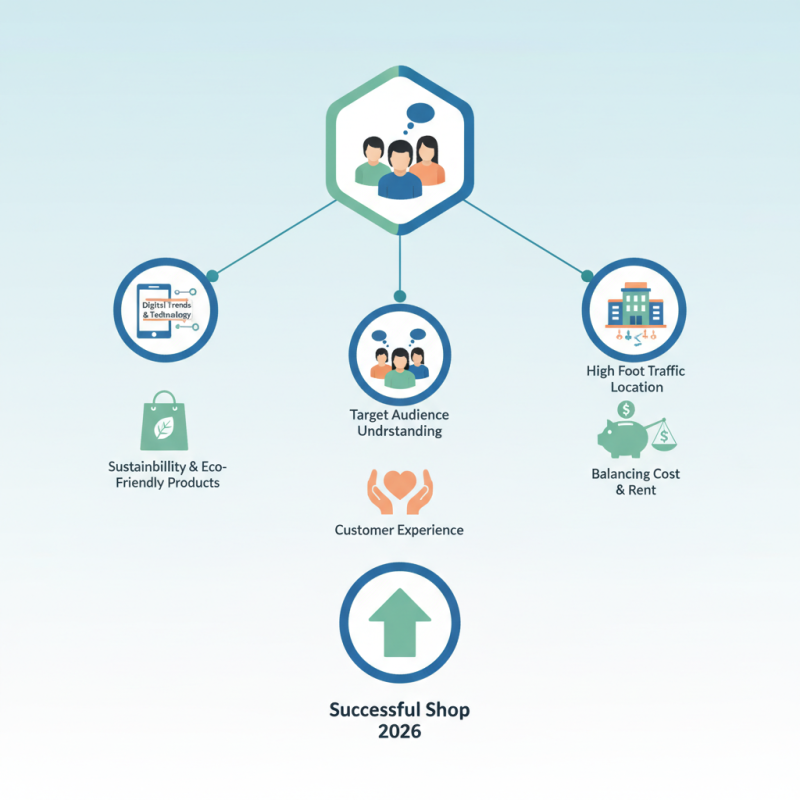
Building a successful shop in 2026 requires careful planning and adaptation. As we enter this period, traditional retail methods need a fresh approach. Digital trends shape consumer behavior. Shop owners must embrace technology to thrive.

When building a shop, consider your target audience. Understanding their preferences is crucial. What do they want? Sustainability is becoming essential. Eco-friendly products attract customers. This approach can set your shop apart.

The location also plays a vital role. Choose a space with high foot traffic. But remember, high rent can strain your budget. Balancing location and cost is key for success. Building a shop is more than just setting up a store. It’s about creating an experience. Reflecting on these elements will prepare you for the challenges ahead.
How to Build a Successful Shop in 2026?

Understanding Market Trends and Consumer Behavior in 2026
How to Build a Successful Shop in 2026?

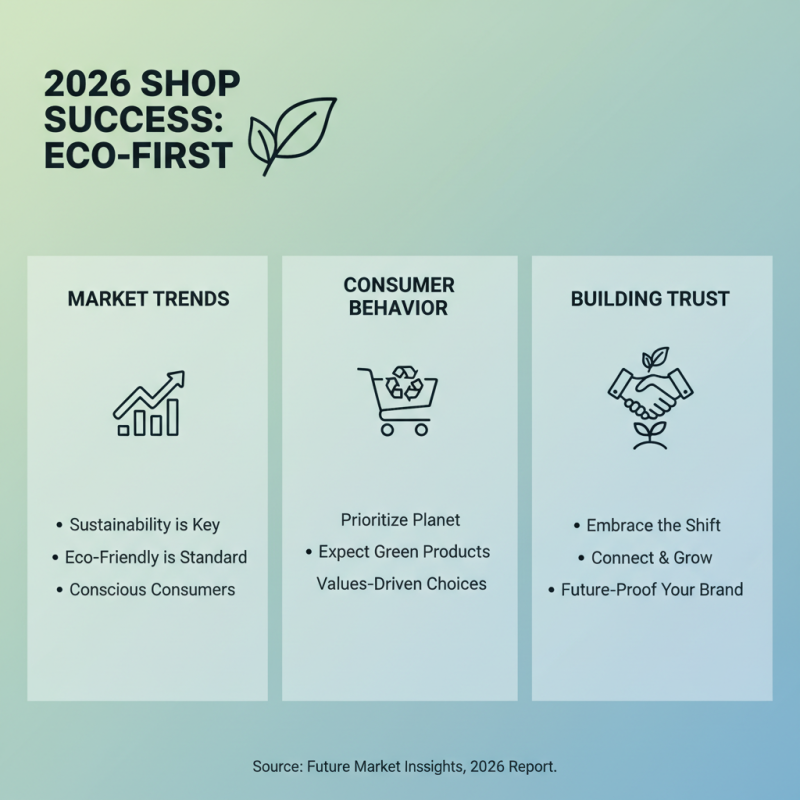
Understanding market trends and consumer behavior in 2026 is crucial for building a successful shop. Customers will prioritize sustainability more than ever. Eco-friendly products will not just be a trend but a standard expectation. Shops that embrace this shift can better connect with conscious consumers.

Tip: Evaluate your current product lines for sustainability. Are there eco-friendly options you can offer? Focus on transparent sourcing and minimal packaging. This can appeal to your audience's values.

In addition, technology will play a significant role. Augmented reality (AR) could enhance shopping experiences. Imagine trying a product virtually before purchase. This can increase engagement and reduce return rates. However, many shops might struggle to integrate new tech smoothly.

Tip: Start small. Implement AR features in a few products first. Gather feedback and improve the experience gradually. Stay flexible, as consumer preferences can shift rapidly. Understanding these trends will help your shop thrive in 2026.

Selecting the Right E-commerce Platform for Your Shop

Selecting the right e-commerce platform for your shop in 2026 is crucial. According to industry reports, 70% of consumers prefer shopping online. This trend shows no signs of slowing down. As more businesses transition to digital, the platform you choose will impact your success.

Consider ease of use. A user-friendly platform can save time. Your team can spend less time on training. This enhanced efficiency can lead to better customer service. However, some platforms may lack essential features. Assess what tools you actually need before committing.

Another important factor is scalability. Your shop should grow with your needs. By 2026, market trends predict more competition. This means robust support from your platform is vital. Not all platforms can handle spikes in traffic. Ensure flexibility in your choice.

Tips: Test platforms thoroughly before signing up. Aim for ones with strong customer reviews. Check their technical support options as well. Technical difficulties can hinder your business. Spend time exploring various integrations too. Compatibility with existing systems saves headaches later on.

Implementing Innovative Marketing Strategies to Attract Customers

How to Build a Successful Shop in 2026?

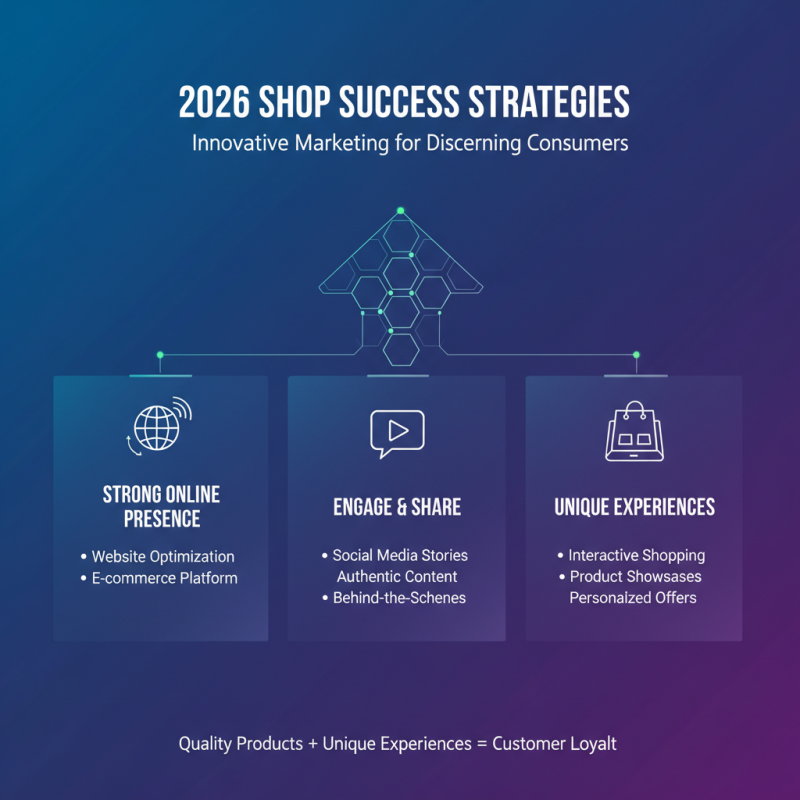
In 2026, building a successful shop requires innovative marketing strategies. Consumers are smarter and more discerning than ever. They expect not only quality products but also unique shopping experiences. Focus on creating a strong online presence. Engage customers through social media platforms, sharing authentic stories and showcasing products in use.

Tips: Use eye-catching visuals. Short videos grab attention quickly. Regularly update your content to keep your audience engaged. Don't shy away from experimenting with new platforms. Test the waters and assess which channels resonate with your audience most effectively.

Being creative is vital, but remember to analyze results. Not every tactic will work as intended. Some campaigns may flop. Gather feedback and refine your approach. Adjust your strategies based on what you learn. Don't fear failure; it's often a stepping stone to success.

Personalize your marketing efforts. Address customers by their names in emails. Make them feel valued. Use insights from customer data to tailor recommendations. Building relationships takes time, and it requires ongoing effort. Recognize that not every customer will engage, but understanding their preferences can lead to better outcomes.

Ensuring Efficient Supply Chain Management and Inventory Control

Efficient supply chain management is crucial for a successful shop in 2026. To maintain a smooth operation, a business must streamline its processes. Communication is key. Every stakeholder must stay informed. Regular check-ins can help address potential issues early.

Inventory control plays a pivotal role too. Automated systems can help track stock levels. This reduces the risk of overstocking or stockouts. However, human errors can still happen. It’s important to audit inventory regularly and refine processes based on findings. Adjusting to demand fluctuations requires a proactive mindset. Flexibility in inventory can be a game-changer.

While technology can enhance efficiency, it is not infallible. There will be times when disruptions occur. Supply chain disruptions can arise from unexpected events. Businesses should have backup plans to manage risks. Reflecting on past issues can provide insights for improvement. Adaptation is an ongoing process in the fast-paced retail landscape.

Enhancing Customer Experience through Technology and Personalization

In 2026, enhancing customer experience will be crucial for successful shops. Technology will play a vital role. Imagine a store where smart mirrors suggest outfits based on your style. Easy returns through an app will boost customer satisfaction. Yet, not all tech ideas work. Some may overwhelm shoppers. Balancing innovation with simplicity is key.


Personalization will take center stage. By analyzing purchase history, stores can offer tailored recommendations. Customers appreciate feeling valued. However, data privacy concerns could arise. Shops must navigate these issues carefully. Offering exclusive promotions can foster loyalty, but they must be relevant. Overloading with irrelevant offers might drive customers away.


Training staff to use technology effectively is essential. Staff must blend digital and personal interactions. A friendly, knowledgeable team enhances the customer experience. Technology should not replace human touch. Finding this balance is challenging. Shops need ongoing reflection to evolve. Adapting to customer feedback is vital for long-term success.