Top Building Materials for Home Construction and Renovation Projects

In the world of construction and renovation, the choice of building materials plays a crucial role in determining the durability, aesthetic appeal, and energy efficiency of a home. As industry expert John Smith, a renowned architect and author, once stated, "The right building materials are fundamental in crafting spaces that not only stand the test of time but also provide comfort and sustainability." Understanding the various types of materials available can significantly impact both the construction process and the final outcome of any project.

From traditional wood and stone to modern composites and sustainable options, each building material brings its unique set of benefits and challenges. Homeowners and builders alike must consider factors such as cost, environmental impact, and suitability for specific purposes when selecting materials for their construction or renovation projects. As we delve into the top building materials that are currently shaping the industry, it becomes clear that these choices are not merely practical decisions; they also reflect the evolving values and desires of today's homeowners.
Top Building Materials for Home Construction and Renovation Projects

Essential Factors to Consider When Choosing Building Materials
Top Building Materials for Home Construction and Renovation Projects

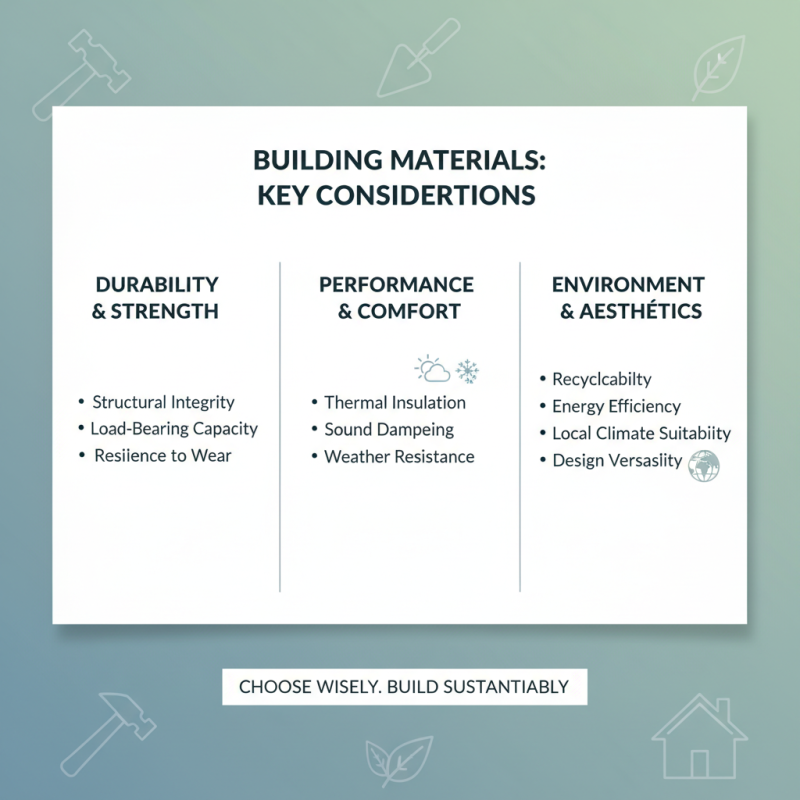
When embarking on home construction or renovation projects, selecting the right building materials can significantly influence the outcome in terms of durability, aesthetics, and environmental impact. Essential factors to consider include the material's strength, insulation properties, and resistance to weathering. Assessing the local climate is crucial; for instance, materials that excel in dry conditions may not perform well in humid environments.

Tips: Always check the sustainability of the materials you choose. Opt for locally sourced options when possible, as they have a lower carbon footprint and are often more suited to regional climate conditions.

Another important consideration is the cost. While it might be tempting to go for cheaper materials, investing in higher quality options can save money in the long run by reducing the need for repairs and replacements. Look for materials that offer a balance between affordability and long-term value.

Tips: It's beneficial to compare different suppliers and materials, and consult with professionals to ensure you are making informed decisions based on both your budget and project goals.

Overview of Popular Building Materials in Home Construction

Top Building Materials for Home Construction and Renovation Projects

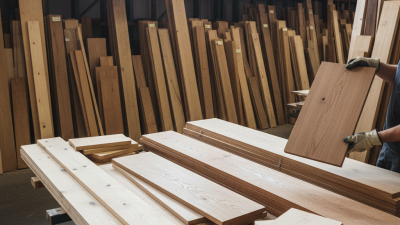
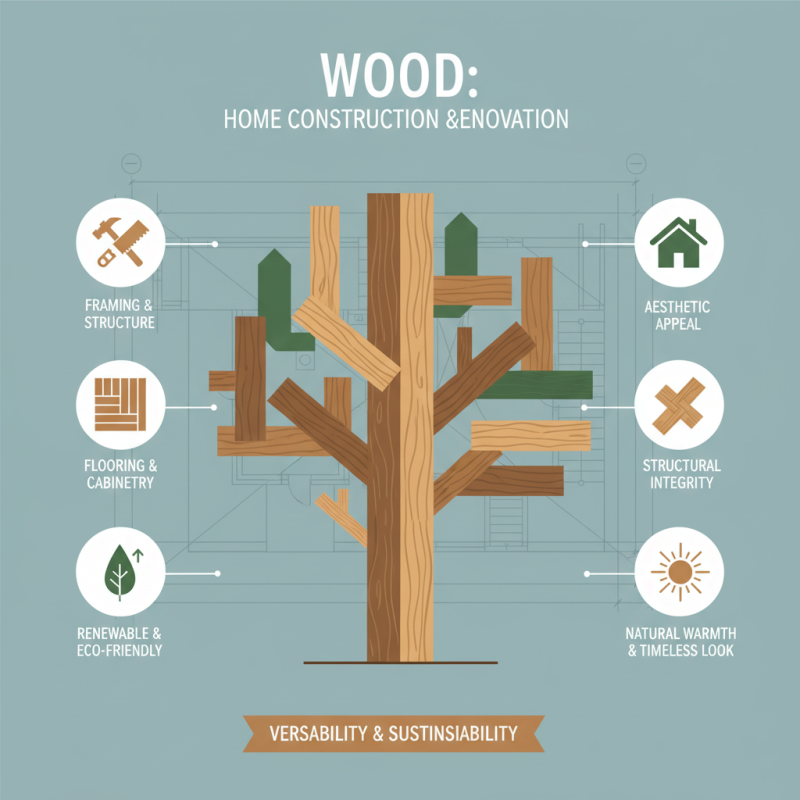
When it comes to home construction and renovation projects, the choice of building materials can significantly influence both aesthetic appeal and structural integrity. Among the most favored materials is wood, prized for its versatility and natural warmth. It can be used in framing, flooring, and cabinetry, providing a timeless look that complements various design styles. Wood is also a renewable resource, making it an eco-friendly option when sourced sustainably.

Concrete is another popular choice due to its durability and strength. Often used for foundations, walls, and driveways, concrete offers incredible resistance to weather conditions and wear over time. Its versatility allows for various finishes, enabling homeowners to achieve a range of textures and appearances. Additionally, brick, known for its distinctive look and thermal efficiency, is frequently used in exterior facades and landscaping projects, contributing to a home’s character while also providing excellent insulation properties. These materials not only enhance the structural safety of a home but also help in creating an inviting space that reflects the homeowner’s personal style.

Sustainable Building Materials for Eco-Friendly Renovation Projects

When embarking on renovation projects with an environmentally friendly focus, selecting sustainable building materials is crucial. These materials not only reduce the carbon footprint but also enhance the health of the indoor environment. From reclaimed wood to recycled metal, there are a variety of options available that are both functional and aesthetically pleasing. Incorporating sustainable materials fosters a commitment to environmental stewardship while improving resilience against climate change.

Tips: Always conduct a life cycle assessment of materials to ensure that their environmental benefits are maximized over time. Consider utilizing locally sourced materials to lower transportation emissions and support local economies.

Additionally, products made from rapidly renewable resources like bamboo or cork are excellent choices for flooring and cabinetry. These materials grow quickly and offer durability, making them ideal for high-traffic areas. When opting for insulation, look for eco-friendly options such as sheep's wool or cellulose, as these materials provide excellent thermal performance without harmful chemicals.

Tips: When planning your renovations, consult with a sustainability expert to ensure the best practices are implemented. This can help streamline the renovation process while maximizing energy efficiency and sustainability.

Comparative Analysis of Cost-Effective Materials for Home Improvement

When considering building materials for home construction and renovation, cost-effectiveness remains a primary concern for homeowners. A comparative analysis shows that materials such as plywood and engineered wood offer a balance of affordability and durability. According to the National Association of Home Builders, plywood typically costs around $15 to $25 per sheet, while engineered wood can range from $10 to $20 per sheet. These materials not only reduce upfront costs but also require less maintenance over time, making them attractive options for both new builds and renovations.

Building Materials Moreover, incorporating sustainable materials can lead to significant savings in energy costs, highlighting the long-term benefits of initial investments. For instance, insulated concrete forms (ICFs) may seem pricier—averaging $4 to $6 per square foot compared to traditional wood framing—but their superior insulating properties can result in energy savings of up to 50% annually, as reported by the U.S. Department of Energy. This not only decreases utility bills but also enhances comfort, making ICFs a smart choice for energy-conscious homeowners looking to improve property value while staying within budget constraints. By choosing the right combination of cost-effective materials, homeowners can significantly impact their renovation project's overall financial viability and sustainability.

Innovative Building Materials Shaping Modern Home Design Trends

In modern home design, innovative building materials are revolutionizing the way we think about construction and renovation. From sustainable composites to high-performance insulation, these materials are not only enhancing the aesthetic appeal of homes but also improving energy efficiency and durability. One standout trend is the use of recycled materials, which allows homeowners to reduce their environmental footprint while adding unique character to their spaces. For instance, reclaimed wood can be repurposed for flooring, beams, or accent walls, providing a rustic charm that is both stylish and sustainable.

When selecting materials for your next project, consider incorporating smart materials like self-healing concrete or thermochromic glass. These advanced options adapt to their environment, enhancing the longevity and functionality of your home. Additionally, the integration of biophilic design elements using natural materials fosters a connection with the outside world, promoting wellness and mindfulness within living spaces.

Tips: Prioritize materials that not only meet aesthetic desires but also offer long-term benefits. Research the environmental impact and sustainability of your choices. Furthermore, engaging with local suppliers can lead to discovering regionally sourced materials that lend a unique touch to your renovation projects while supporting local economies.

Top Building Materials for Home Construction and Renovation Projects

Material Type Description Sustainability Cost Range (per sq ft) Trends
Bamboo A rapid-growing natural material known for its strength and versatility. Highly sustainable, eco-friendly. $3 - $8 Increasing use in flooring and furniture.
Recycled Steel Durable and strong, used in framing and structural supports. Very sustainable, as it's often repurposed. $7 - $15 Popular for modern industrial designs.
SIPS (Structural Insulated Panels) Insulated foam core sandwiched between structural boards. Good insulation and energy-saving potential. $10 - $20 Growing in prefabricated housing.
Smart Glass Glass that can be tinted or made opaque electronically. Energy-efficient, reduces heating/cooling costs. $25 - $100 Emerging trend for luxury homes.
Reclaimed Wood Wood salvaged from old buildings, giving it character. Sustainable, reduces landfill waste. $5 - $15 In high demand for rustic and contemporary designs.