Top Building Solutions for Global Procurement Success?

In today's ever-evolving landscape, building solutions play a crucial role in global procurement success. Experts like John Smith, a leader in construction innovation, emphasize, “Sustainable building solutions are essential for competitive advantage in procurement.” This insight reflects the growing trend towards sustainable practices in construction.

The integration of modern technologies and efficient resource management defines contemporary building solutions. Companies that invest in innovative methods often see significant enhancements in supply chain productivity. However, navigating this landscape demands a deep understanding of market dynamics and local needs.

Challenges remain in adopting these solutions. Some organizations struggle to balance cost and sustainability. Reliability is key, as procurement teams seek suppliers who can deliver both quality and resilience. Effective collaboration across stakeholders is essential for maximizing the impact of building solutions on procurement success.

Top Building Solutions for Global Procurement Success?

Global Procurement: Understanding the Basics of Building Solutions

In the realm of global procurement, understanding the basics of building solutions is essential. These solutions can streamline operations and enhance efficiency. They provide a framework for decision-making and resource allocation. Engaging with various stakeholders is crucial for success. Diverse perspectives can lead to innovative approaches.

Tips: When evaluating building solutions, consider the flexibility and scalability of the options. Look for solutions that can adapt to changing market conditions.

Effective communication is vital in this process. Clear dialogue fosters collaboration among teams. Misunderstandings can lead to errors and increased costs. Regular check-ins and updates can help maintain alignment.

Tips: Establish a feedback loop. Encourage team members to share their experiences with solutions. This can uncover hidden challenges and opportunities for improvement.

Focusing on reliable data can guide your procurement strategy. Accurate data enables informed decisions. It helps in predicting future trends and demands. Remember that relying solely on data may overlook human insight, which is equally valuable.

Key Factors Influencing Successful Procurement Strategies

Top Building Solutions for Global Procurement Success?

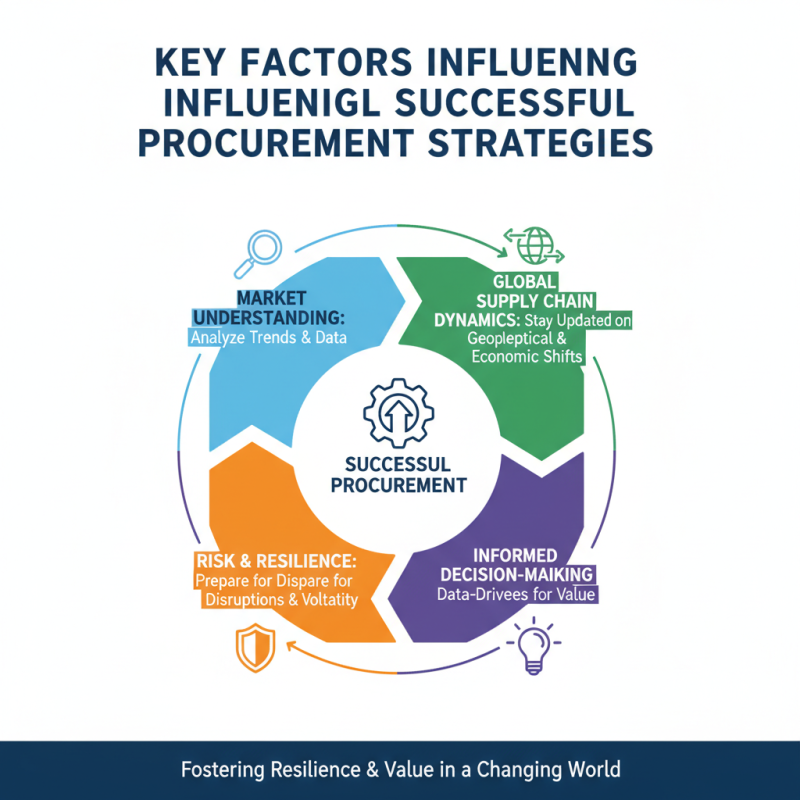
Successful procurement strategies hinge on several key factors. Understanding the market is crucial. Analyzing trends helps in making informed decisions. Procurement teams must stay updated on global supply chain dynamics. This knowledge fosters resilience, especially during unforeseen disruptions.

Supplier relationships also play a vital role. Building trust can lead to better negotiation outcomes. However, maintaining these relationships requires constant effort. Regular communication is essential to understand supplier capabilities and challenges. Companies often overlook this aspect, leading to misaligned expectations.

Technology should not be underestimated in procurement. Advanced tools streamline processes and enhance visibility. However, reliance on technology can create vulnerabilities. Technical issues or cyber threats can disrupt operations. It’s essential to have contingency plans. Ultimately, reflection on these factors can lead to continuous improvement in procurement strategies.

Innovative Technologies Transforming Global Procurement Practices

Innovative technologies are reshaping global procurement practices. Artificial intelligence is one of the leading tools. It streamlines processes, allowing teams to analyze data more effectively. With AI, organizations can predict demand patterns and manage inventory better. This capability leads to cost savings and increased efficiency.

Blockchain technology is another transformative force. It enhances transparency and traceability in the supply chain. By recording transactions securely, it reduces fraud risks. Companies can ensure product authenticity, boosting consumer trust. However, challenges remain. Not all industries are ready to adopt blockchain fully.

Cloud-based platforms support real-time collaboration. They break down geographical barriers, enabling teams to work seamlessly. Yet, there's a need for ongoing training. Many professionals struggle to adapt to these technologies. Continuous learning is essential for success in this evolving landscape.

Top Building Solutions for Global Procurement Success

This chart demonstrates the adoption rates of innovative technologies that are transforming global procurement practices from 2018 to 2023.

Best Practices for Implementing Effective Building Solutions

Top Building Solutions for Global Procurement Success?

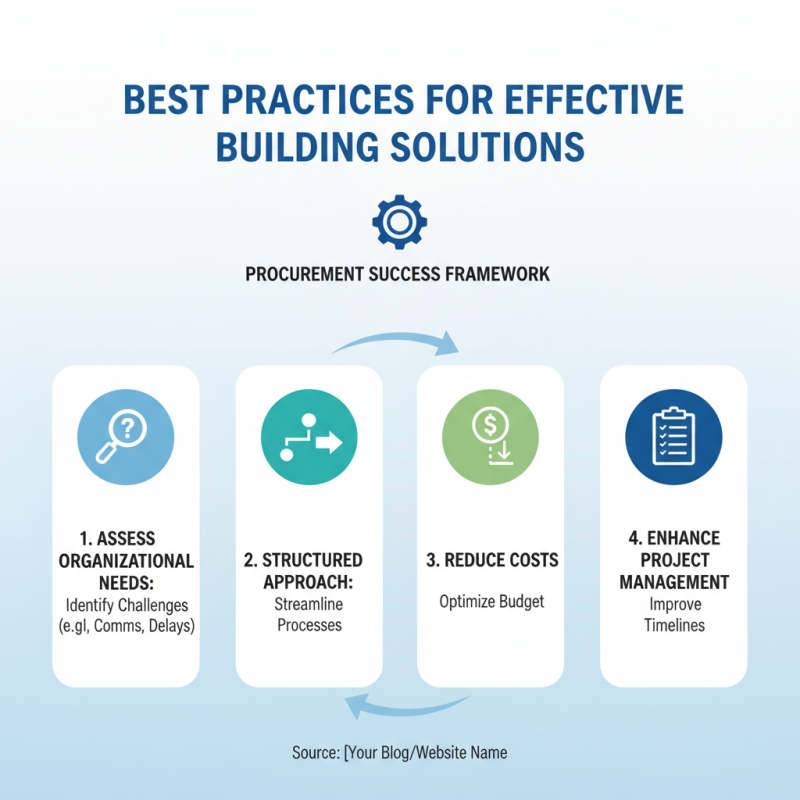
In today’s competitive landscape, implementing effective building solutions is crucial for procurement success. A well-structured approach can streamline processes, reduce costs, and enhance project management. Start by assessing organizational needs. Understand what specific challenges your teams face. Is it communication breakdowns or delays in project timelines? Identify these gaps clearly.

Engaging stakeholders is essential. Their insights can reveal practical solutions that might not be evident at first glance. Regular meetings foster open dialogue. Create a culture where feedback is valued. This promotes a sense of ownership and accountability among all team members. Collaboration tools can enhance visibility and coordination. However, ensure that everyone is trained on these platforms to avoid confusion.

While technology offers many advantages, over-reliance can backfire. A balance between digital tools and human insight is vital. Don’t underestimate the power of personal experience. Encourage teams to reflect on past projects—what went well and what didn’t. These reflections can provide valuable lessons for future endeavors. By fostering a continuous improvement mindset, organizations can adapt and thrive in an evolving procurement environment.

Case Studies: Successful Procurement Models from Around the World

In recent years, innovative procurement models have emerged worldwide. These models showcase effective strategies that organizations can adopt. For instance, a project in Europe implemented digital tools to streamline the procurement process. This reduced lead times significantly. However, the integration of technology also posed challenges. Training staff to use new systems proved difficult.

In Asia, a consortium of small businesses banded together for bulk purchasing. By pooling their resources, they gained negotiating power. This collaborative approach fostered a sense of community. Yet, it also raised concerns about maintaining quality standards across diverse suppliers.

Across the Atlantic, an organization prioritized sustainability in its procurement decisions. They sought local suppliers with eco-friendly practices. This not only reduced carbon footprints but also engaged local economies. However, finding reliable suppliers who met their criteria was not an easy task. These case studies highlight diverse approaches and the complexities involved in achieving procurement success.