Why Building Solutions Are Essential for Sustainable Infrastructure Development
In the quest for sustainable infrastructure development, the role of building solutions has become increasingly vital. As urbanization accelerates and environmental challenges mount, it is imperative that we rethink our approach to construction and design. Building solutions encompass a wide range of innovative techniques and technologies aimed at reducing the ecological footprint of infrastructures while enhancing their efficiency and resilience. These solutions not only address immediate concerns related to resource consumption and waste production but also pave the way for a more sustainable future.
The significance of building solutions extends beyond mere compliance with environmental regulations; they represent a paradigm shift in how we conceptualize and realize infrastructure projects. By integrating smart technologies, sustainable materials, and energy-efficient practices, building solutions can transform the construction landscape, leading to environmentally responsible developments that meet the needs of current and future generations. As cities grow and evolve, the demand for sustainable infrastructures becomes paramount, making building solutions not just essential, but a cornerstone of long-term urban planning.
Ultimately, embracing innovative building solutions will be crucial in our collective effort to create livable, sustainable environments. These solutions provide a roadmap for addressing urgent issues such as climate change, resource scarcity, and urban resilience. By prioritizing building solutions in infrastructure development, we can ensure that our built environments contribute positively to the planet while fostering social and economic well-being for all.
The Importance of Building Solutions in Sustainable Infrastructure
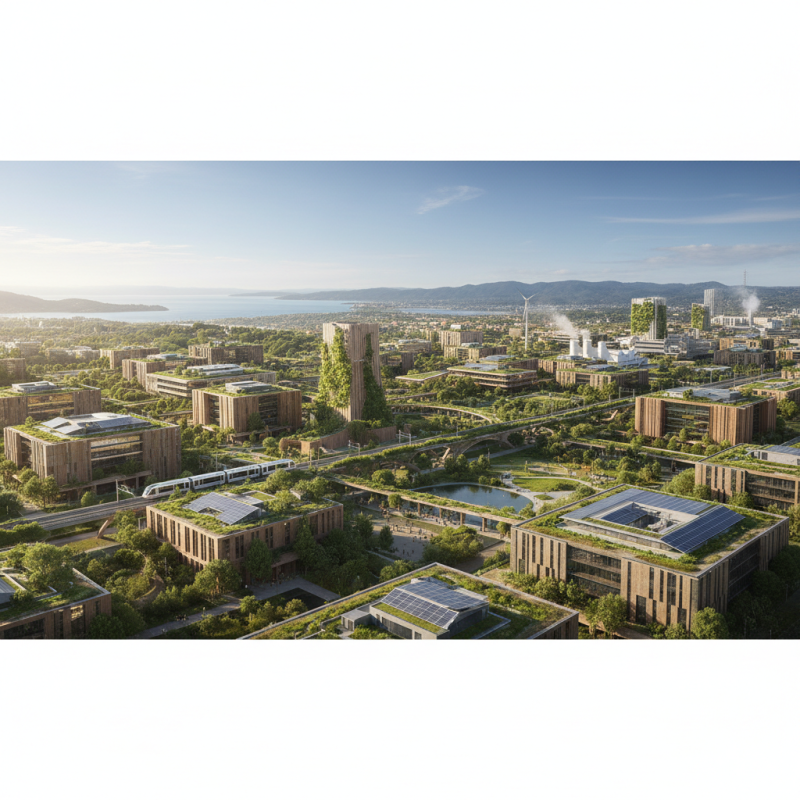
Building solutions play a crucial role in sustainable infrastructure development by fostering resilience and efficiency in urban environments. These solutions encompass a range of practices and technologies aimed at reducing the environmental impact of construction and ensuring that structures can withstand the test of time. By employing innovative design principles and sustainable materials, builders can create infrastructure that not only meets the immediate needs of the population but also anticipates future challenges such as climate change and urban migration.
Moreover, building solutions contribute to long-term economic viability by optimizing resource use and minimizing waste. They encourage the implementation of renewable energy sources, energy-efficient systems, and sustainable landscaping, which collectively enhance the livability of communities. Additionally, such initiatives often lead to improved public health outcomes by creating greener spaces and promoting active transportation, which can significantly reduce air pollution. Ultimately, the integration of building solutions into infrastructure projects is essential for creating sustainable and resilient communities that thrive in harmony with their environment.
Key Components of Sustainable Infrastructure Development Strategies
Building solutions play a vital role in creating sustainable infrastructure development strategies. Central to these strategies are key components such as efficient resource management, innovative technology integration, and community engagement. Efficient resource management involves the optimal use of natural and financial resources, ensuring that projects minimize waste and maximize value. This can be achieved by incorporating circular economy principles and using renewable materials, which help in reducing the carbon footprint of construction processes.
Moreover, integrating innovative technologies is crucial for developing smart infrastructure. This includes the use of smart grids, energy-efficient systems, and advanced materials that enhance durability and sustainability. By leveraging data analytics and IoT, stakeholders can monitor infrastructure performance and make informed decisions that promote longevity and resilience.
Tips: When planning sustainable infrastructure projects, engage with local communities to understand their needs and priorities. This not only fosters a sense of ownership but also ensures that the developed solutions are relevant and widely accepted. Additionally, consider adopting a phased approach to implementation, allowing for adjustments based on performance feedback and emerging technologies.
Innovative Practices in Building Solutions for Eco-Friendly Projects
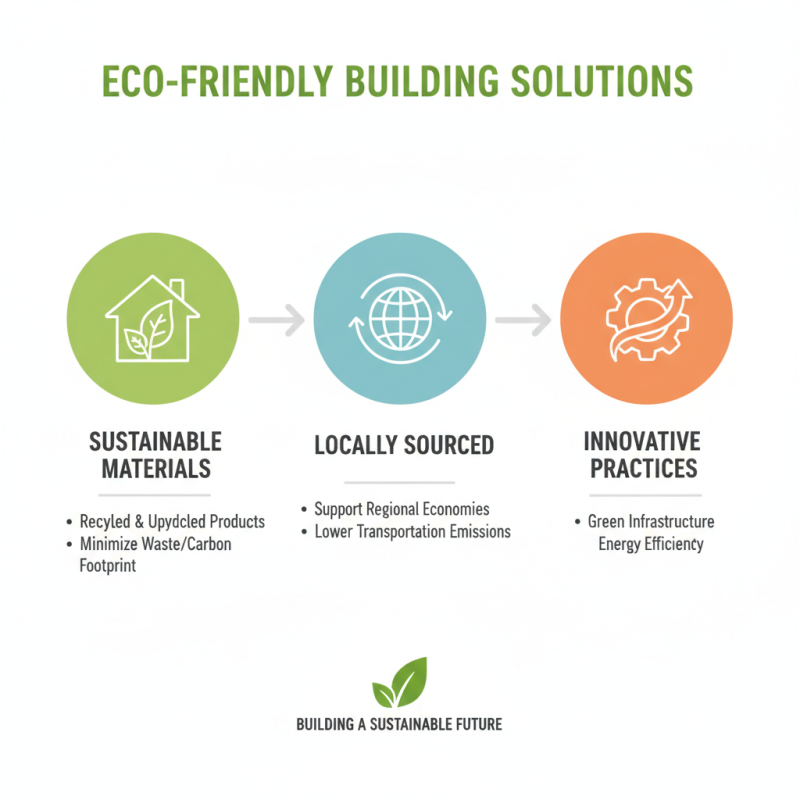
Innovative building solutions play a crucial role in shaping eco-friendly projects, ensuring that infrastructure development aligns with sustainability goals. A key practice in this realm is the use of sustainable materials, such as recycled and upcycled products, which minimize waste and reduce the carbon footprint of construction activities. By incorporating locally sourced materials, projects not only support regional economies but also lower transportation emissions, fostering a more sustainable approach to building.
Another vital aspect of innovative building solutions is the integration of energy-efficient technologies. This includes the implementation of renewable energy systems, such as solar panels and wind turbines, which can significantly reduce a building's reliance on non-renewable energy sources. Additionally, smart building technologies can optimize energy consumption through automated systems that monitor and adjust lighting, heating, and cooling based on usage patterns. These practices not only enhance the environmental performance of structures but also promote cost savings over the life cycle of the building, making them an attractive proposition for developers and stakeholders committed to sustainability.
Challenges and Opportunities in Implementing Sustainable Building Solutions
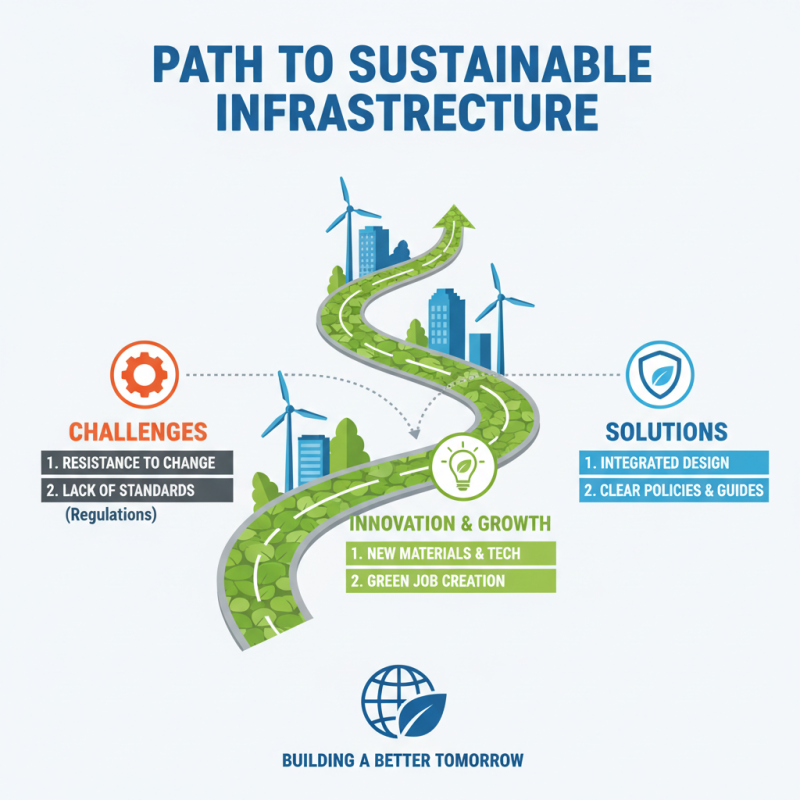
The journey towards sustainable infrastructure development is fraught with challenges, yet it also presents significant opportunities for innovation and growth. One of the primary challenges is the integration of sustainable building solutions into existing frameworks. Traditional construction methods often prioritize speed and cost-effectiveness over environmental impact, leading to resistance from stakeholders accustomed to conventional practices. Additionally, the lack of standardized practices and clear regulations can hinder the adoption of these sustainable solutions, making it difficult for builders and developers to navigate the landscape effectively.
Despite these challenges, numerous opportunities arise from the implementation of sustainable building solutions. As demand for environmentally friendly constructions increases, there is a growing market for green materials and technologies, encouraging investment in research and development. This shift allows companies to differentiate themselves in a competitive market while contributing to a more sustainable future. Collaboration among various sectors, including government, industry, and academia, can foster knowledge sharing and innovation, ultimately driving the widespread adoption of sustainable practices. By overcoming the hurdles and embracing the potential that sustainable solutions offer, the building industry can significantly impact overall infrastructure development.
Case Studies: Successful Examples of Sustainable Infrastructure Development
Building solutions play a pivotal role in promoting sustainable infrastructure development, as evidenced by successful case studies from around the globe. One notable example is the implementation of green roofs in urban areas. These innovative systems not only enhance the aesthetic appeal of buildings but also improve energy efficiency by providing insulation and reducing heat absorption.
Cities like Toronto have embraced green roofs, leading to reduced urban heat island effects and improved stormwater management, showcasing how sustainable designs can transform urban environments.
Another illustrative case is the development of permeable pavement systems in various regions. This approach allows rainwater to seep through surfaces, reducing runoff and mitigating flooding risks.
In cities such as Portland, Oregon, the integration of permeable pavements has significantly improved groundwater recharge and decreased pollutant levels in local waterways. These examples highlight how thoughtful infrastructure solutions contribute to environmental resilience while enhancing the quality of life for residents, proving that innovative practices are essential to achieving long-term sustainability in infrastructure development.