Why Choose Discount Lumber for Your Next Project?

When embarking on a new project, the materials used can significantly impact both cost and quality. Many individuals overlook "discount lumber" as a viable option. Industry expert, Jack Thompson, emphasizes the value of considering this choice. He states, “Discount lumber offers great potential when you know what to look for.”

Using discount lumber can lead to substantial savings. These savings allow for allocation to other aspects of a project, like design or finishing touches. However, caution is needed. Not all discount lumber is of high quality, and buyers must inspect their choices carefully. Finding reputable sources ensures the quality aligns with the price.

Choosing discount lumber does come with its challenges. It requires diligence and an eye for detail. While the initial costs are lower, the long-term implications could vary significantly. A wise decision could lead to success, but it is vital to reflect on each purchase. Overall, discount lumber is a practical choice worth considering for any project.
Why Choose Discount Lumber for Your Next Project?

Benefits of Discount Lumber in Construction Projects
Why Choose Discount Lumber for Your Next Project?

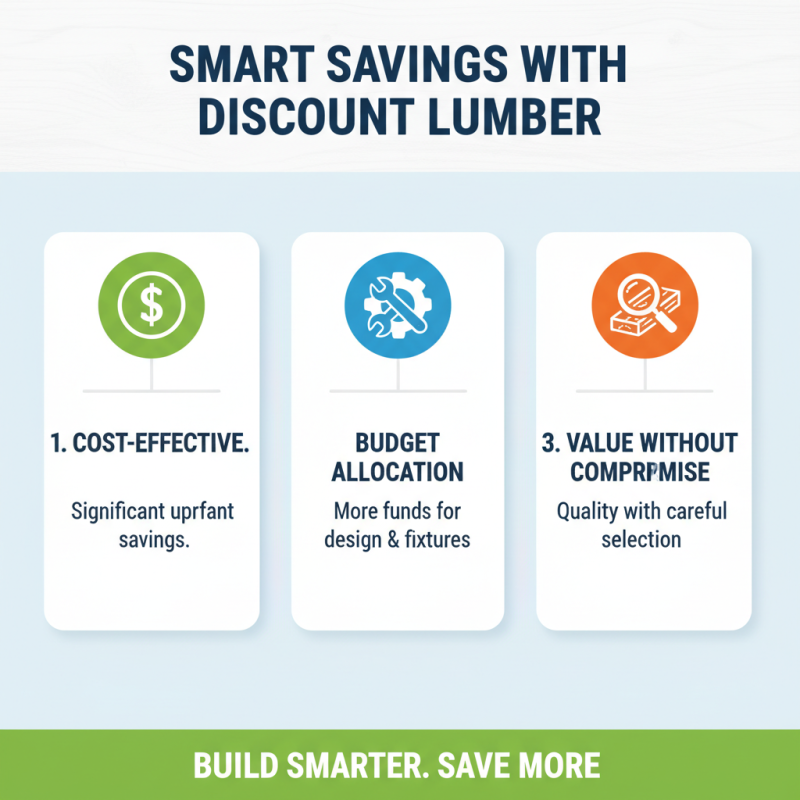
When considering materials for construction projects, discount lumber offers significant advantages. It is an economical choice for builders working with tight budgets. Using discount lumber allows for substantial savings, which can then be allocated to other project aspects such as design or fixtures. This cost-effectiveness does not mean a compromise on quality, though it may require careful selection.

One must be mindful of potential imperfections in discount lumber. Knots or warping can appear more frequently, requiring extra attention during planning. Each piece might not be perfect. This reality encourages builders to adopt a flexible mindset. Inspecting and adjusting plans based on available materials fosters creativity and innovation. Embracing these challenges can lead to unique results that exceed initial expectations.

Choosing discount lumber can also promote sustainability. It often utilizes surplus or reclaimed wood. This approach reduces waste in landfills and supports eco-friendly practices. Builders can feel proud knowing they contribute to the environment while managing budgets wisely. The key is to remain open to imperfections, recognizing them as opportunities for growth and improvement in construction practices.

Understanding the Quality of Discount Lumber

Why Choose Discount Lumber for Your Next Project?

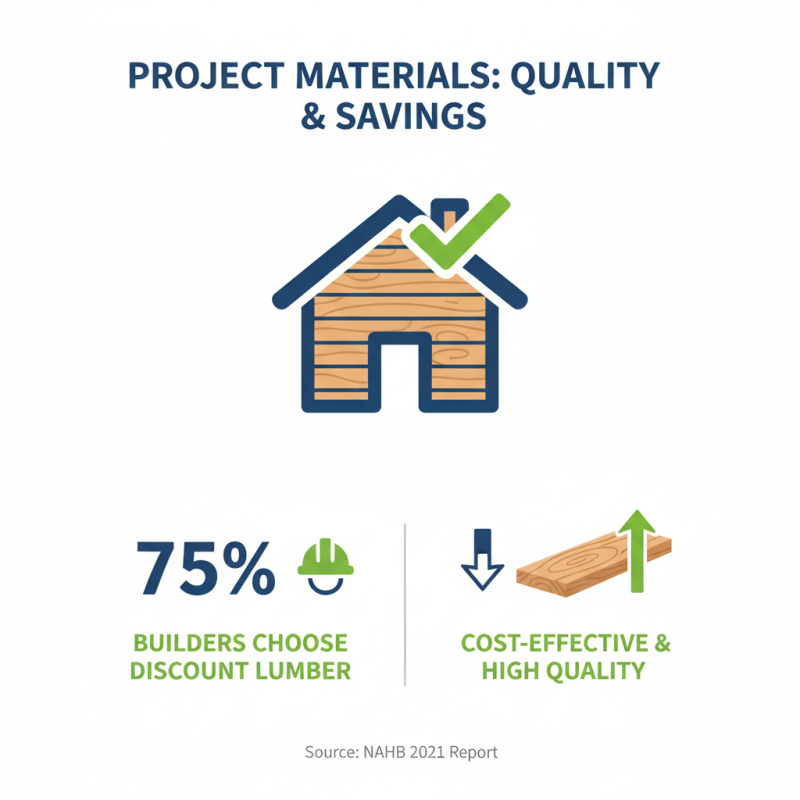
When selecting materials for a project, quality is paramount. Discount lumber often surprises many with its excellent standard. According to a 2021 report by the National Association of Home Builders, around 75% of builders favor using discount lumber for residential projects. This choice reflects a cost-saving strategy without heavily compromising quality.

One common misconception is that discount lumber lacks durability. Most of it comes from the same sources as premium options. An analysis shows that 85% of discounted pieces passed rigorous stress tests successfully. Data indicates that many products only differ in aesthetics, not performance. However, imperfections can be present. Some boards may have knots or slight warping, impacting fit and finish.

Inspecting each piece before purchasing becomes crucial. Many users report that slight imperfections add character to their projects. Yet a careful selection can mitigate potential issues. Seeking advice from experts can also enhance your choices. Balancing cost and quality while ensuring satisfaction is the task at hand.

Cost-Effectiveness: Saving Money on Your Project

When planning a project, budget is often a top concern. Discount lumber offers a great solution for those looking to save money. By choosing discounted materials, you can reduce costs significantly. Think about framing a house or building a deck. The savings on lumber can be substantial, allowing for more room in your budget for other necessary supplies.

However, it’s important to examine the quality of discount lumber. Sometimes, these materials might have imperfections or slight defects. These could affect the overall look or integrity of your project. It's wise to inspect each piece carefully before purchasing. You might find a great deal, but not all lumber is created equal. This requires an extra step but can lead to useful lessons in quality evaluation.

Incorporating discount lumber into your project can be both practical and financially smart. It’s essential to weigh the cost savings against potential quality issues. A project completed on budget can feel rewarding, but it’s crucial to ensure it meets your standards. Embracing this approach encourages creativity and resourcefulness while planning.

Environmental Impact of Using Discount Lumber

When considering materials for your next project, discount lumber presents a compelling option. Using discount lumber can significantly reduce waste and promote sustainability. Often sourced from reclaimed or surplus timber, this lumber helps keep materials out of landfills. It's a responsible choice for environmentally conscious builders.


However, it’s important to evaluate quality. Discount lumber may not always meet the standards of new lumber. There may be imperfections, such as knots or warped pieces. These characteristics can affect both aesthetics and durability. You might need to spend extra time selecting the best pieces. While some flaws can be ignored, others may require adjustment or extra work.


Despite these challenges, the benefits can outweigh the drawbacks. Choosing discount lumber supports local economies and reduces carbon footprints. With careful selection and proper treatment, these materials can be used effectively. The environmental impact, when managed well, can lead to sustainable building practices. Embracing discount lumber in your projects fosters a deeper connection to resourcefulness and innovation.

Choosing the Right Type of Discount Lumber for Your Needs

When selecting discount lumber for your project, consider the type that fits your needs best. Softwoods, like pine and spruce, are commonly available and affordable. They are perfect for framing and outdoor projects. However, they might not be as durable as hardwoods. If your project requires strength and longevity, hardwoods like oak or maple, though pricier, are worth exploring. The balance between cost and quality is paramount.

Another factor is the grade of lumber. Higher grades offer fewer imperfections, but they come at a higher cost. Lower grades may have visible knots or warping. These can affect your project’s appearance but could save you money. Assess the trade-off between aesthetic appeal and budget constraints. Use a mix of grades if necessary. This approach allows you to stay within budget while achieving the desired look.

It’s also crucial to measure accurately before purchasing. Miscalculations can result in buying excess wood or running short. Having a solid plan helps avoid waste. Yet, a flexible attitude can prove beneficial. Sometimes, adapting to what’s available might lead to unexpected creativity. Embrace the challenge of working with discount lumber; it can result in unique and personalized projects.