
We use cookies on our website to give you an improved browser experience. View our Privacy Policy for more information. Please make your selection to opt in or out of ALL cookies here: Accept or Decline
Choosing airless packaging solutions is not a simple matter of selecting a premium-looking bottle. The package must protect the formula, support accurate dosing, match consumer habits, and strengthen the brand’s identity. A lightweight pump may suit a daily moisturizer, while a rigid, high-barrier container may better protect a sensitive serum. Small details matter, including actuator pressure, dispensing consistency, residual product, decoration quality, and compatibility with recycled materials.
David Luttenberger, Global Packaging Director at Mintel, has described packaging as “the silent salesman.” That idea remains useful when evaluating airless packaging solutions. The package communicates quality before the customer reads the label. It also influences how confidently users apply the product. A smooth pump stroke, clean nozzle, and controlled dose can make a routine feel more trustworthy.
Still, airless packaging is not automatically the best choice. It can increase component complexity, cost, and recycling challenges. Some systems also leave a small amount of product inside. That is easy to overlook. Brands should test real formulas, temperatures, transport conditions, and repeated consumer use before making a decision. Ask difficult questions. Does the pump work after months of storage? Can the components be separated? Will the material claims withstand independent verification?
This guide explains how to compare airless packaging solutions through performance, sustainability, user experience, and brand positioning. The goal is not perfection. It is a practical choice supported by testing, supplier transparency, and clear evidence.
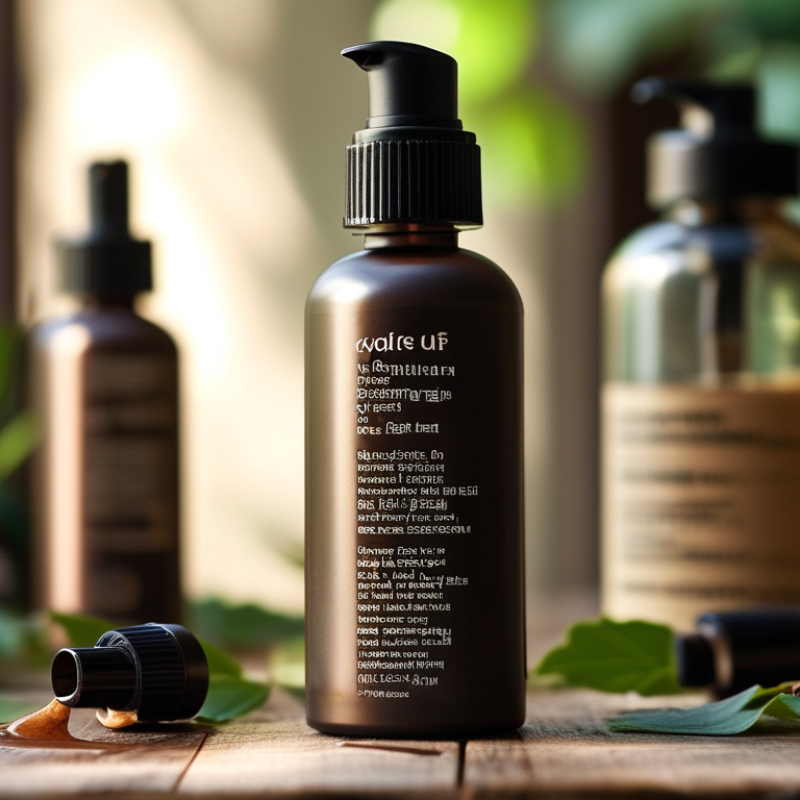
Airless packaging protects formulas by reducing their contact with air, dust, and repeated hand contact. It commonly uses a piston or collapsible inner pouch. As the product is dispensed, the container empties from the bottom upward. This helps limit oxidation and supports more consistent dosing. Sensitive creams and serums may benefit from this controlled environment. Less residual product can also reduce consumer frustration. It is not magic. Some formulas need little air protection.
Choosing the right system requires more than reviewing its appearance. Packaging teams should test formula compatibility, viscosity, pump performance, leakage, and closure strength. Accelerated stability testing can reveal changes in color, scent, texture, or performance. Dose consistency matters too. A package that releases too much product can weaken user trust. A tamper-evident feature may provide additional protection when appropriate.
Airless systems can protect both the product and the brand’s quality promise. However, they may cost more and include components that complicate recycling. Their filling process also needs careful control. This trade-off deserves honest consideration. A sleek package can still fail if the actuator clogs or the piston sticks. Real-world trials, including storage in warm rooms and transport vibration, often reveal problems that laboratory checks miss. Better decisions come from evidence, not appearance.
| Evaluation Dimension | Typical Airless Packaging Data | Brand-Protection Benefit | Selection Guidance |
|---|---|---|---|
| Airless Operating Principle | A piston or collapsible pouch moves upward as the product is dispensed, while the container remains substantially closed to outside air. | Limits repeated exposure to oxygen, moisture, dust, and other environmental contaminants. | Choose airless technology when formula stability is affected by oxidation, contamination, or frequent opening. |
| Typical Product Evacuation | Approximately 95–99% for many well-designed systems; actual results depend on viscosity, formula rheology, actuator design, and filling accuracy. | Helps reduce residual product and improves the consistency of the final user doses. | Run a pack-and-formula compatibility test instead of relying only on a stated theoretical evacuation rate. |
| Common Fill Volumes | Typical commercial formats include approximately 15 mL, 30 mL, 50 mL, 75 mL, 100 mL, and 150 mL. Larger formats are also available for selected applications. | Supports different usage periods, portability requirements, and product price points. | Match the fill volume to the recommended dosage, expected number of uses, and product shelf-life target. |
| Dose per Actuation | Common pump outputs range from approximately 0.15 mL to 1.5 mL per actuation, depending on the pump and actuator configuration. | Improves dose repeatability and can help consumers apply the intended amount. | Validate output over multiple actuations and at the beginning, middle, and end of the pack life. |
| Formula Viscosity | Suitable systems can handle low-viscosity liquids, emulsions, creams, gels, and some thicker products. Very high-viscosity or particulate formulas may require custom testing. | Reduces the risk of inconsistent dispensing, clogging, or excessive product remaining in the pack. | Test the complete formula, including oils, powders, pigments, beads, salts, and volatile ingredients where applicable. |
| Typical Contact Materials | Common material options include polypropylene, polyethylene, multilayer plastic structures, elastomers, and selected metal components. | Material selection affects chemical resistance, barrier performance, odor transfer, and product stability. | Request extractables and leachables assessment where required, especially for sensitive, leave-on, or regulated products. |
| Oxygen and Moisture Protection | Protection varies by structure. Standard plastic systems provide limited-to-moderate barrier performance; multilayer or barrier structures can provide higher protection. | Helps protect oxygen-sensitive ingredients, fragrances, colorants, and moisture-sensitive formulas. | Use measured oxygen transmission rate and water vapor transmission rate data when barrier performance is critical. |
| Preservative Strategy | Airless packaging can reduce contamination opportunities, but it does not automatically make a product self-preserving or preservative-free. | Supports a broader microbiological-control strategy by limiting product exposure during use. | Complete preservative efficacy, microbial challenge, stability, and in-use testing for the finished product and pack. |
| Recommended Product Categories | Common applications include facial creams, serums, lotions, gels, foundations, sun-care products, and other sensitive personal-care formulas. | Provides controlled dispensing and helps maintain formula quality throughout regular use. | Confirm compatibility with pigments, mineral filters, acids, retinoid-type ingredients, alcohols, oils, and other active components. |
| Package Orientation | Many systems can dispense in upright, angled, or selected inverted positions, but performance is design-dependent. | Improves convenience and may support use in travel or on-the-go situations. | Test dispensing after storage, transportation, temperature cycling, and extended periods in the chosen orientation. |
| Closure and Refill Options | Available configurations may include integrated pumps, protective caps, removable cartridges, and refillable outer shells. | Can improve hygiene, protect the actuator, and support reduced material use in selected designs. | Evaluate refill cleanliness, replacement steps, component wear, leak resistance, and consumer handling behavior. |
| Sustainability Considerations | Recyclability depends on local infrastructure and whether the package uses a separable, mono-material, or multilayer construction. | Efficient product evacuation can reduce unused contents, while optimized material weight can reduce packaging mass. | Assess the full package system, including pump parts, springs, elastomers, labels, coatings, and end-of-life instructions. |
| Quality and Performance Testing | Key tests include leakage, actuation force, dose accuracy, evacuation, compatibility, stability, transport, temperature cycling, and microbial performance. | Reduces the risk of dispensing failure, package deformation, contamination, and inconsistent consumer experience. | Test the filled commercial pack under both laboratory conditions and simulated real-use conditions. |
| Main Trade-Off | Higher system complexity than a basic jar or conventional tube, with more components and tighter assembly requirements. | The added complexity may be justified when protection, dose control, and product evacuation are high priorities. | Balance performance benefits against tooling, filling, assembly, cost, recyclability, and supply-chain requirements. |
| Note: The values shown are typical industry ranges or practical evaluation guidelines, not universal specifications. Final selection should be based on testing with the exact formula, pack configuration, filling process, storage conditions, and intended market requirements. | |||
Choosing an airless packaging solution starts with the product, not the container’s appearance. Assess viscosity, particle size, oil content, and sensitivity to oxygen or light. A rich cream may need a wider pathway and stronger actuator. A fluid serum may require tighter dose control. Check formula compatibility through accelerated stability testing, because attractive packaging can still trigger swelling, leakage, or scent changes.
Review the dispensing experience in real conditions. Test the first pump, repeated doses, upside-down use, and the final product level. Measure dose consistency across several units, not just one sample. Confirm that the pump can recover after storage and that the piston moves smoothly. One lesson I learned is simple: laboratory performance may not match bathroom performance. Temperature, wet hands, and rushed use expose weak assumptions.
Tips:
Match the dose to the application area. Record priming time and leftover formula. Ask the packaging supplier for material data, tolerance ranges, and test methods. Keep a retained sample from each trial batch. If the formula contains abrasive particles, test wear over hundreds of actuations. If the package feels difficult to use, investigate before launch. Small usability flaws often become repeated customer complaints. Consider refill handling carefully, too; a clean transfer process may matter more than a lower unit cost.
Choosing an airless package starts with the formula, not the appearance. In development trials, I check viscosity, oil content, pH, and sensitivity to oxygen. These factors influence material selection. Polypropylene offers strong chemical resistance and low weight. High-density polyethylene can provide a softer feel and good durability. Glass gives a premium impression, but it adds weight and breakage risk. Some formulas may also require a barrier layer to reduce oxygen or moisture transfer.
Format affects daily use. A pump bottle suits lotions, serums, and other fluid products. An airless jar can feel more familiar for thicker creams. A tube works well for controlled dispensing and travel-friendly use. The pump should deliver a consistent dose without excessive force. I usually test the package at different temperatures and after repeated dispensing. Small details matter.
Size should match the recommended usage period. A 15 ml container may suit a concentrated treatment or trial format. A 30 ml size supports portability and regular use. Larger 50 ml or 100 ml formats reduce refill frequency but may increase exposure during long storage. Oversized packaging can also leave more product behind. It happens.
Before production, evaluate the final formula inside the actual container. Check leakage, actuator recovery, residual product, and decoration durability. A package that performs well in a sample room may behave differently during shipping. I have seen attractive prototypes fail after vibration testing. That result is inconvenient, but useful. Packaging decisions should balance material performance, format, size, user habits, and realistic testing evidence.
Sustainability should begin with the full pack, not only the outer shell. The OECD’s Global Plastics Outlook reports that packaging created about 40% of global plastic waste in 2019. It also found that only 9% of plastic waste was recycled. This makes material simplicity important. A mono-material airless pack may support easier sorting, while mixed springs and components can complicate recovery. Recycled content sounds attractive, but it can affect color, strength, and dispensing performance. Test it early.
Usability is equally practical. An airless pump should deliver consistent doses, protect sensitive formulas, and work when held upside down. The actuator must not feel stiff or slippery. Leave enough product visibility for consumer confidence, even when full opacity improves protection. Conduct hand tests with different users, including people with limited grip strength. Small failures matter. A pump that leaves eight percent of the formula behind may damage trust.
Brand design should express quality without creating unnecessary material layers. Use molded texture, restrained color, or a clear information hierarchy instead of decorative overpackaging. NielsenIQ’s 2023 sustainability research found that 78% of U.S. consumers consider a sustainable lifestyle important. However, interest does not guarantee purchase. Consumers still judge convenience, appearance, and price. I would avoid calling any airless solution “fully sustainable” without supplier data, disposal guidance, and lifecycle evidence. The best design is often less impressive in a sample room, but easier to use and explain.
Choosing an airless pack starts with evidence, not a polished sample. Supplier screening should cover resin traceability, manufacturing controls, change-notification rules, and batch records. Ask for recent audits and complete test methods. ISO 22716 provides cosmetic GMP guidance, but it does not prove dispensing performance. That distinction matters. The OECD’s Global Plastics Outlook reports that only 9% of plastic waste was recycled in 2019. Request material composition and realistic end-of-life guidance before approving a complex pump.
Build a pre-launch test matrix with filled units, not empty shells. Measure dose consistency across the container’s life. Test the first, middle, and final actuations. Check priming, leakage, paneling, air return, and residual product. Run compatibility studies under heat, cold, light, and humidity. ASTM D4169 can structure distribution testing. ISO 22715 supports cosmetic packaging and labeling considerations. Use an independent laboratory when supplier data seems selective. It happens.
Performance also depends on viscosity, surfactants, alcohol, oils, and suspended particles. Test production-equivalent formulas across at least three lots. Record dose variation and define acceptance limits before testing begins. The OECD data also shows why material reduction deserves attention, not just marketing language. A package that passes one climate cycle may fail after six weeks in a hot delivery van. Forecasts are not guarantees. Recheck artwork, claims, instructions, and closure security during transport simulations. Keep retain samples for later investigation. Launch only when results are repeatable, documented, and clear to someone outside the project.
Recommended pre-launch evaluation weight for testing suppliers, compliance, and packaging performance.
Prioritize formula compatibility and regulatory documentation before assessing dispensing and transport performance. Supplier evidence should include material declarations, stability results, microbiological protection data, leakage testing, and transport validation records.
We use cookies on our website to give you an improved browser experience. View our Privacy Policy for more information. Please make your selection to opt in or out of ALL cookies here: Accept or Decline
Do you consent to the use of ALL cookies?
901 2nd Court West
Birmingham, AL 35204
Sales: 866.481.4036
Logistics/Ops: 866.481.4036
2101 Dralle Road
University Park, IL 60466
Sales: 708.813.9070
Logistics/Ops: 708.235.4200
400 E. 13th Street
Little Rock, AR 72114
Sales: 866.760.5344
Logistics/Ops: 866.760.5344
225 Collins Road
Elkhart, IN 46515
Sales: 574.295.0214
Logistics/Ops: 574.607.4611
601 Berryman Pike
Tipton, IN 46072
Sales: 800.897.7591
Logistics/Ops: 800.897.7591
3900 Uvalda Street
Denver, CO 80239
Sales: 303.706.8000
Ops/Logistics: 303.576.8398
510 3rd Street E
Milan, IL 61264
Sales: 800.322.1052
Logistics/Ops: 800.322.1052
1660 E. Aurora
Des Moines, IA 50313
Sales: 800.671.1660
Logistics: 800.671.1660
86554 Gene Lasserre Blvd.
Yulee, FL 32097
Sales: 904.253.3060
Logistics/Ops: 904.225.3000
694 S.E. County Road 245
Lake City, FL 32025
Sales: 800.727.6706
Logistics/Ops: 386.752.7412
210 Neptune Road
Auburndale, FL 33823
Sales: 863.967.1131
Logistics/Ops: 863.777.9814
4601 McCoy Drive
Pensacola, FL 32503
Sales: 850.308.7030
Logistics/Ops: 850.434.5502
815 South 56th Street
Tampa, FL 33619
Sales: 813.302.1940
Logistics/Ops: 813.621.1352
200 Hosea Road
Lawrenceville, GA 30046
Sales: 770.953.7575
Logistics/Ops: 770.513.6000
Branch Product Guide
Branch Line Card
Moulding Offering
Cedar Offering
Column Offering
8173 Hwy. 165 North
Monroe, LA 71211
Sales: 800.256.4165
Logistics/Ops: 800.256.4165
508 Warren Avenue
Portland, ME 04103
Sales: 207.888.2331
Logistics/Ops: 207.797.6565
4300 Georgia Pacific Blvd.
Frederick, MD 21704
Sales: 301.798.7474
Logistics/Ops: 301.874.8000
419 Maple Street
Bellingham, MA 02019
Sales: 508.449.0535
Logistics/Ops: 508.966.5500
825 Buchanan Ave SW
Grand Rapids, MI 49507
Sales: 877.800.1180
Logistics/Ops: 616.278.0909
995 Pacific St. NW
Aitkin, MN 56431
Sales: 800.432.3727
Logistics/Ops: 218.212.7770
1102 Port Terminal Drive
Duluth, MN 55802
Sales: 800.951.9899
Logistics/Ops: 800.851.9899
9110 83rd Ave. North
Brooklyn Park, MN 55445
Sales: 763.425.0204
Logistics/Ops: 763.425.0204
910 E. Railroad Street
Long Beach, MS 39560
Sales: 866.535.4135
Logistics/Ops: 228.205.2400
1727 Warren Street
North Kansas City, MO 64116
Sales: 800.621.2611
Logistics/Ops: 800.621.2611
2123 North Golden
Springfield, MO 65803
Sales: 800.375.7891
Logistics/Ops: 800.375.7891
13860 Corp. Woods Trail
Bridgeton, MO 63044
Sales: 314.209.0800
Logistics/Ops: 314.209.0800
1109 South 19th Street
Omaha, NE 68108
Sales: 800.489.6637
Logistics/Ops: 800.489.6637
1 Luger Road
Denville, NJ 07834
Sales: 973-339-3539
Logistics/Ops: 973.625.1461
3720 Jeffrey Blvd.
Blasdell, NY 14219
Sales: 716.235.5989
Logistics/Ops: 716.825.6557
319 Yaphank Ave.
Yaphank, NY 11980
Sales: 631.358.5714
Logistics/Ops: 631.924.7401
3300 Parkside Drive
Charlotte, NC 28208
Sales: 800.839.2588
Logistics/Ops: 704.394.3172
1712 East D Street
Butner, NC 27509
Sales: 984.389.8200
Logistics/Ops: 919.575.3700
128 Foothills Drive
Statesville, NC 28687
Sales: 800.222.1414
Logistics/Ops: 704.394.3172
550 Munroe Falls Rd.
Tallmadge, OH 44278
Sales: 330.357.4506
Logistics/Ops: 330.794.1141
10347 Toebben Dr.
Independence, KY 41051
Sales: 859.298.3926
Logistics/Ops: 859.746.2250
450 N. MacArthur
Oklahoma City, OK 73127
Sales: 800.375.6025
Logistics/Ops: 800.375.6025
1680 North Aspen
Broken Arrow, OK 74012
Sales: 918.272.2212
Logistics/Ops: 918.272.2212
522 Bridge Street
Hunker, PA 15639
Sales: 878.217.2001
Logistics/Ops: 724.925.7285
4290 Atlanta Street
Charleston, SC 29418
Sales: 843.371.1420
Logistics/Ops: 843.554.8192
1040 S. Industrial Dr.
Erwin, TN 37650
Sales: 423.641.1005
Logistics/Ops: 423.742.5911
4287 Pilot Drive
Memphis, TN 38118
Sales: 901.365.2101
Logistics/Ops: 901.365.2101
700 Myatt Drive
Madison, TN 37115
Sales: 615.327.9547
Logistics/Ops: 629.777.4949
4747 Mark IV Parkway
Fort Worth, TX 76106
Sales: 866.323.5117
Logistics/Ops: 817.625.9091
6990 Market Avenue
El Paso, TX 79915
Sales: 915.778.6356
Logistics/Ops: 915.265.7200
2502 Wilson Road
Harlingen, TX 78552
Sales: 800.580.6711
Logistics/Ops: 800.580.6711
10,000 North Loop East
Houston, TX 77029
Sales: 713.921.1977
Logistics/Ops: 713.675.3544
702 East 44th St.
Lubbock, TX 79404
Sales: 866.454.6010
Logistics/Ops: 866.454.6010
535 N. WW White Road
San Antonio, TX 78219
Sales: 800.284.0488
Logistics/Ops: 210.333.8112
142 Pine Haven Shores Rd.
Shelburne, VT 05482
Sales: 802.800.2540
Logistics/Ops: 802.985.2512
4700 Bethlehem Road,
Richmond, VA 23230
Sales: 804.201.2400
Logistics/Ops: 804.342.1161
4516 N Barker Road
Spokane Valley, WA 99027
Phone: 509.892.9420
Toll free: 800.728.6157
8365 N. 76th Street
Milwaukee, WI 53223
Sales: 800.356.9245
Logistics/Ops: 800.356.9245
312 S. Chester Street
Sparta, WI 54656
Sales: 800.362.5864
Logistics/Ops: 800.362.5864
899 Grossman Drive
Schofield, WI 54476
Sales: 800.472.0017
Logistics/Ops: 800.472.0017
