How to Choose PP Geogrid for Global Projects in 2026?
Choosing the right Pp Geogrid for global projects in 2026 requires more than comparing tensile strength and price. Each site presents different risks, including weak subgrade, heavy rainfall, freeze-thaw cycles, sharp aggregate, and repeated construction traffic. A product that performs well beneath a highway in Brazil may require different specifications on a rail embankment in Canada.
This guide examines how engineers can evaluate Pp Geogrid through practical project evidence, laboratory data, and supplier reliability. Important factors include polymer quality, aperture structure, junction strength, creep resistance, chemical stability, and installation behavior. Field experience also matters. Crews need rolls that handle easily, remain stable during aggregate placement, and resist damage from equipment movement.
Local standards should be checked carefully.
Global procurement adds another layer of responsibility. Buyers should request traceable test reports, consistent production records, and clear technical support from manufacturers. Independent verification can reveal differences between advertised performance and actual site behavior. Cost remains important, but premature deformation can create larger expenses through rutting, repairs, and construction delays.
No selection method removes every uncertainty. Soil investigations may be incomplete, and site conditions can change after design approval. That limitation deserves honest attention. This article offers a structured approach for comparing products, questioning assumptions, and selecting Pp Geogrid with greater technical confidence across roads, railways, retaining structures, and industrial platforms.
What PP Geogrid Is and Why It Matters in Global Infrastructure
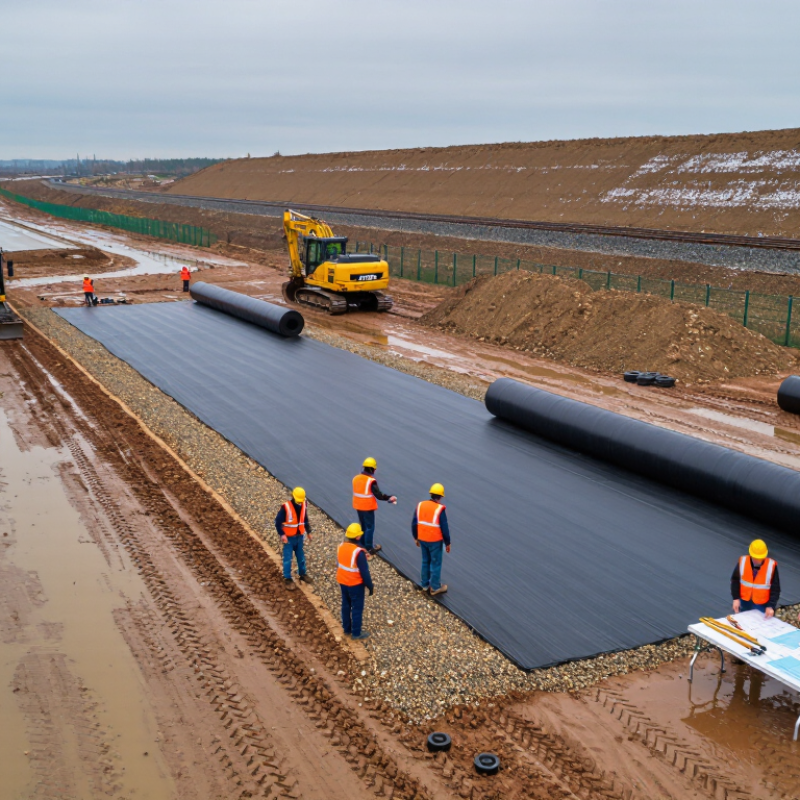
Polypropylene geogrid, or PP geogrid, is a polymer grid placed within soil, aggregate, or pavement layers. Its open structure allows aggregate particles to interlock with the ribs. This interaction improves load distribution and limits lateral movement. In practical terms, a road base can remain more stable under repeated truck traffic.
That matters greatly in global infrastructure. A rural road in tropical rain may face saturated subgrades and sudden drainage problems. A logistics yard in a cold region may experience freeze-thaw cycles and sharp temperature changes. PP geogrid can help control rutting, reduce deformation, and support more consistent construction over weak ground. However, it is not a universal repair. Poor drainage or weak installation can defeat a good reinforcement design.
Choosing the right PP geogrid requires more than comparing tensile strength. Engineers should check biaxial or uniaxial behavior, aperture size, junction performance, chemical resistance, UV exposure, and project standards. Soil type matters. Aggregate size matters too. Field reviews often reveal a simple issue: the specified grid was suitable, but workers placed it with wrinkles or insufficient overlap. That detail can change performance. Independent test reports, traceable production records, and installation guidance improve reliability. A careful designer should also question laboratory results that do not represent local moisture, traffic, or temperature conditions. Specifications may look complete and still miss the site’s real behavior.
How Project Conditions Determine the Right PP Geogrid Type
How to Choose PP Geogrid for Global Projects in 2026?
How Project Conditions Determine the Right PP Geogrid Type
In 2026, selecting polypropylene (PP) geogrid should begin with ground conditions, not a product label. Each site behaves differently. A biaxial PP geogrid often suits road bases where aggregate spreads in two directions. Its role becomes clear beneath a crushed-stone layer carrying repeated truck loads. For steep embankments or reinforced soil walls, uniaxial geogrid may provide better directional tensile support. The required strength depends on wall height, soil friction, drainage, and construction sequence.
Climate can change the decision. On a tropical site, heavy rainfall may weaken poorly drained soil before the geogrid carries its design load. In a cold region, freeze-thaw movement can create uneven stress. Coastal projects also require careful checks for salt exposure, ultraviolet radiation, and installation damage. PP generally resists many chemicals, but resistance alone does not replace project-specific testing. Request verified tensile, junction, creep, and durability data from independent laboratories.
A first selection can still be wrong. I have seen drainage treated as an afterthought, even when reinforcement was carefully specified. That mistake deserves attention. Engineers should compare site investigation results with local design codes, traffic forecasts, fill quality, and installation methods. Aperture size must match the aggregate, while junction efficiency should remain reliable during compaction. Field trials can expose handling problems before full construction begins. Small details matter. Temperature, overlap length, and damaged ribs can quietly reduce performance.
How to Compare PP Geogrid Strength, Durability, and Performance
Choosing PP geogrid for global projects requires more than comparing headline tensile strength. A 40 kN product may perform differently under installation damage, repeated traffic, or weak subgrade conditions. Check strength in both machine and cross-machine directions. Review aperture size, rib structure, junction efficiency, and strain at peak load. These details influence aggregate interlock and load distribution.
Durability testing should match the project environment. Ask for resistance data against ultraviolet exposure, oxidation, chemical contact, and construction damage. Temperature also matters. A road in a hot desert faces different risks from a rail embankment in a freeze-thaw region. Confirm test methods, laboratory conditions, and sampling dates. Test the seams. Poor connections can reduce field performance, even when the sheet looks strong.
Installation quality remains decisive. Inspect rolls for damage, keep them clean, and control overlaps according to the engineered design. Document placement before covering the grid. I would not select a product from a datasheet alone. Independent test reports, factory quality records, and project references offer stronger evidence. Still, project references can mislead when soils differ. Small details matter. A useful comparison also considers creep resistance, installation tolerance, supply continuity, and compliance with applicable international standards. Some specifications appear impressive but lack long-term data. That gap deserves a careful question before procurement.
How Climate, Soil, and Standards Affect Geogrid Selection
How to Choose PP Geogrid for Global Projects in 2026?
Climate should shape PP geogrid selection, not merely confirm it. The World Meteorological Organization’s State of the Global Climate 2024 reported global temperatures about 1.55°C above the pre-industrial average. Heavier rainfall can increase pore pressure, pumping, and subgrade deformation. Rain changes everything. In hot regions, check polypropylene’s UV exposure, oxidation resistance, and installation temperature limits. In cold regions, review flexibility and damage risks during placement. Coastal projects also need testing against saltwater exposure, although drainage design often matters more than salinity alone.
Soil is rarely uniform. A red lateritic subgrade, wet clay, and crushed aggregate can require different aperture sizes and tensile properties. Field experience shows that a grid may meet tensile strength targets yet perform poorly when junctions are damaged by sharp stone. The FHWA NHI-07-092 guidance emphasizes installation damage, confinement, and construction quality. Review junction strength, rib geometry, creep data, and long-term reduction factors. Laboratory strength alone is not enough. I would not pretend every test predicts every climate.
Project teams should align specifications with recognized methods. ASTM D6637 and ISO 10319 support tensile evaluation, while creep testing helps verify long-term performance. Confirm whether the contract requires local standards, CE-related documentation, or national road authority procedures. Keep test temperatures, soil grading, moisture, and installation records together. A perfect laboratory match is not always a perfect field choice. That uncomfortable gap deserves review.
How to Verify Quality, Compliance, and Supplier Reliability
How to Choose PP Geogrid for Global Projects in 2026?
Selecting PP geogrid requires more than comparing tensile strength and price. Project engineers should match the grid type, aperture, stiffness, and coating to the soil, load, temperature, and installation method. Biaxial geogrid may suit aggregate reinforcement, while uniaxial geogrid often supports soil structures. The decision must follow the project design, not a sales spreadsheet.
Quality verification begins with traceable samples from the proposed production lot. Check tensile strength, elongation, junction efficiency, aperture dimensions, mass, and UV resistance. Request independent laboratory reports with test methods and sample identification. Inspect the ribs and junctions closely. They should look consistent, without thin areas, burns, or irregular stretching. A certificate alone is not proof. I have seen documents pass review while physical samples raised questions.
Tips: Ask for a production trial sample, not only a showroom piece. Confirm compliance with the project specification and applicable standards in the destination country. Review factory quality records, calibration certificates, inspection procedures, and corrective-action reports. A reliable supplier should explain raw-material control, batch coding, packaging, and replacement procedures. Check realistic capacity and delivery history. Speak with recent project references when possible. Keep acceptance criteria written into the purchase contract. No checklist is perfect. Independent pre-shipment inspection can still reveal packaging damage, mixed batches, or incorrect labels before loading.

