
We use cookies on our website to give you an improved browser experience. View our Privacy Policy for more information. Please make your selection to opt in or out of ALL cookies here: Accept or Decline
Choosing the right cosmetic packaging solutions involves more than selecting an attractive bottle or jar. Packaging must protect the formula, support safe use, and communicate the product’s value clearly. A lightweight airless pump may preserve a sensitive serum, while a wide-mouth jar can suit a rich body cream. These choices affect hygiene, dosing, shelf life, transport, and customer trust. They also influence production costs and environmental impact.
Small details matter.
This guide examines practical factors behind reliable packaging decisions. It considers material compatibility, closure performance, filling efficiency, labeling accuracy, and supplier quality controls. Product developers should review stability data, conduct compatibility testing, and request samples before approving large production runs. A package that performs well in a showroom may leak after vibration, heat exposure, or repeated opening. That possibility deserves attention. Sustainability claims also require evidence, including recycled content, recyclability, refill systems, and realistic disposal instructions. Local requirements and retailer standards should be checked with qualified professionals.
There is no perfect package.
The best solution depends on the formula, audience, budget, distribution route, and brand identity. Some assumptions may prove wrong after testing. That is useful information, not failure. By combining hands-on evaluation with technical advice and dependable supplier documentation, brands can make more informed choices. The goal is not simply to create beautiful cosmetic packaging solutions. It is to deliver safe, functional, credible packaging that performs consistently from production line to bathroom shelf.
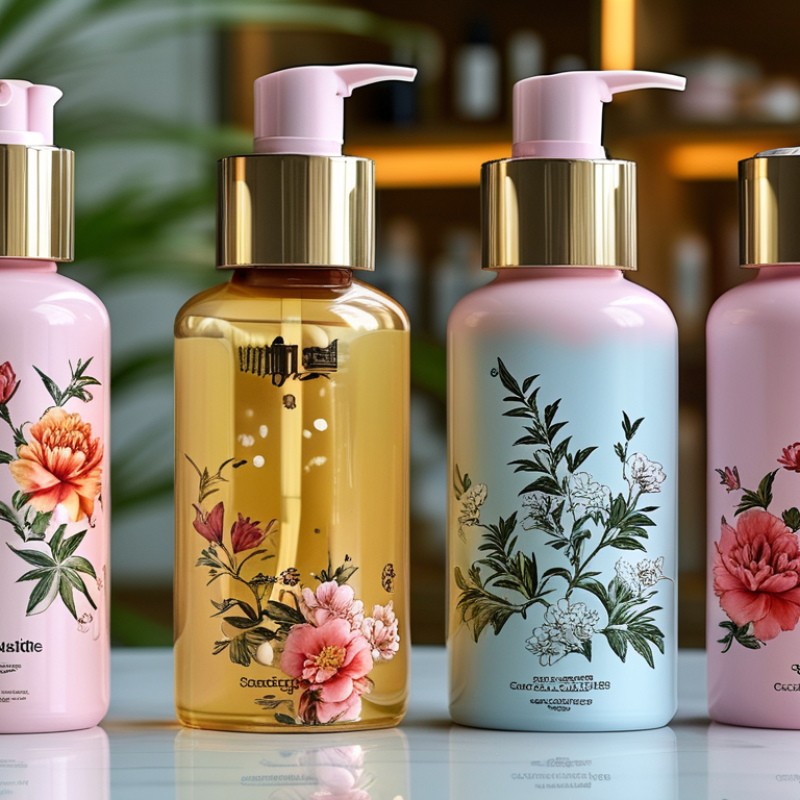
Before selecting cosmetic packaging, define what the formula needs from its container. Start with the product. Oil-rich creams may require strong barrier protection, while lightweight lotions often need controlled dispensing. A water-based formula can react differently to certain plastics. Record viscosity, pH, fragrance level, fill volume, and application method. These details guide the choice of bottle, jar, tube, pump, or closure. Without them, attractive packaging can fail during filling, storage, or daily use.
Brand requirements should be equally concrete. Choose colors, finishes, typography, and shapes that reflect the product’s position and customer expectations. A premium appearance may need a heavier container, but added weight can increase shipping impact and handling costs. Your packaging should also support clear labeling, material documentation, and applicable requirements in each target market. Keep the claim honest. If sustainability is important, request verified material data instead of relying on vague supplier language. An experienced packaging specialist can provide samples, compatibility advice, and recognized test records.
Our first packaging brief was too vague. We focused too much on appearance and missed the dispenser’s actual output. That choice mattered. Pilot samples later showed uneven dosing and a loose cap after repeated handling. Now, we test filled samples under heat, cold, vibration, and repeated opening. Check pump performance, leakage, surface scratches, and label adhesion. Request written specifications and retain approval samples. I still leave room for revision, because real handling often reveals problems that drawings cannot show. A clear requirement sheet keeps those discoveries manageable.
Choosing cosmetic packaging starts with comparing materials, formats, and real use conditions. Glass offers a premium feel and strong barrier protection, but it adds weight and breakage risk during transport. Aluminum is lightweight, opaque, and highly recyclable when collection systems exist. Plastic remains practical for pumps, tubes, and travel sizes. However, mixed materials can complicate recycling.
The OECD Global Plastics Outlook reports that only 9% of plastic waste was ultimately recycled worldwide in 2019. This makes material simplicity important. A mono-material tube may be easier to process than a pump with several bonded components. Post-consumer recycled plastic can lower reliance on virgin resin, though color, odor, and supply consistency may affect appearance. Small details matter.
Format should match the formula and consumer routine. Airless pumps reduce product exposure and can support precise dosing. Jars feel familiar, but fingers repeatedly contact the contents. Tubes are lighter and use less material in many applications. Refill formats may reduce packaging weight, yet they can fail if refills are difficult to clean or store. According to the Ellen MacArthur Foundation, only 14% of plastic packaging was collected for recycling in 2016, before sorting and processing losses. That figure should encourage careful claims. Refillable is not automatically better. Test leakage, compatibility, transport damage, and disposal instructions before selecting a final solution.
| Packaging Material / Format | Typical Cosmetic Uses | Product Protection | Recyclability Considerations | Approximate Cost Level | Main Advantages | Main Limitations |
|---|---|---|---|---|---|---|
| Glass Jar | Creams, balms, masks and premium treatment products | Excellent barrier against oxygen and moisture; provides strong product stability | Widely recyclable where glass collection is available; should be emptied and separated from closures | Medium to high | Premium appearance, chemical resistance, inert material and good reusability potential | Heavy, breakable and typically has higher transport-related emissions |
| Glass Dropper Bottle | Serums, facial oils, concentrates and low-viscosity treatments | Very good barrier; dropper assembly may introduce air exposure during repeated use | Bottle is generally recyclable; pipette, rubber bulb and mixed-material closure may require separate handling | Medium to high | Precise dispensing, premium presentation and strong compatibility with many oil-based formulas | More components, possible leakage and limited suitability for thick formulas |
| PET Bottle or Jar | Shampoos, cleansers, lotions, gels and body-care products | Good moisture and impact protection; clear PET offers limited protection from light unless tinted or decorated | Commonly accepted in many recycling systems; clear, uncoated and single-material designs are generally easier to sort | Low to medium | Lightweight, shatter-resistant, widely available and suitable for recycled-content options | Can deform under heat and may need additives, coatings or secondary packaging for strong light protection |
| PP Jar or Airless Pack | Creams, lotions, color cosmetics and active-ingredient formulas | Good chemical resistance; airless systems reduce repeated air contact and help improve dispensing efficiency | PP components may be recyclable where accepted; pumps, springs, pistons and multilayer parts can complicate recycling | Low to medium | Lightweight, durable, moisture-resistant and suitable for refillable or mono-material designs | Complex airless mechanisms may be difficult to recycle and usually cost more than simple jars |
| HDPE Bottle or Tube | Shampoo, shower gel, conditioner, cleanser and body lotion | Strong impact resistance and good moisture protection; opaque grades help protect light-sensitive formulas | Widely collected in many systems; use compatible closures and labels to support sorting and recycling | Low | Robust, lightweight, cost-effective and suitable for large-volume products | Less premium visual appeal than glass and limited transparency in opaque grades |
| Cosmetic Squeeze Tube | Hand cream, toothpaste-style treatments, cleansers, masks and liquid makeup | Good protection from contamination and controlled product delivery; barrier depends on tube structure | Mono-material PE or PP tubes are easier to recycle than multilayer tubes; caps should be designed for the same recycling stream when possible | Low | Lightweight, hygienic, portable and allows consumers to use most of the formula | Some barrier structures combine multiple materials, reducing recyclability |
| Aluminum Tube | Balms, ointments, creams, natural products and concentrated treatments | Excellent barrier against light, oxygen and moisture; inner coatings may be required for formula compatibility | Aluminum is highly recyclable, but residual product, coatings and plastic closures can affect recovery | Medium | Strong barrier, lightweight relative to glass and good protection for sensitive formulas | Can dent easily and may require careful compatibility testing with acidic or reactive formulas |
| Paperboard Folding Carton | Secondary packaging for bottles, jars, fragrance and gift sets | Provides structural protection, print area and limited light protection; does not replace a primary barrier pack | Generally recyclable when clean and free from non-paper laminates, foils and excessive plastic components | Low to medium | Strong branding surface, easy to print, stackable and made with renewable fiber when responsibly sourced | Adds secondary material and has limited resistance to water, oils and humidity |
| Refill Pouch | Shampoo, hand wash, body wash and other high-volume liquid products | Good moisture protection; barrier performance depends on whether the pouch is mono-material or multilayer | Mono-material PE pouches may have a clearer recycling pathway; multilayer films are often difficult to recycle through standard systems | Low to medium | Uses less packaging material than many rigid formats and can reduce shipping volume | Difficult to empty completely, less rigid for display and may require a reusable dispensing container |
| Refillable Compact or Cartridge System | Pressed powder, foundation, blush, eyeshadow and solid makeup formats | Good protection when the outer case closes securely; refill must be protected from moisture and impact | Reusable outer cases can reduce single-use material; mixed-material pans, mirrors, magnets and hinges may complicate end-of-life recycling | Medium to high | Supports reuse, reduces replacement packaging and can encourage repeat purchasing | Higher design complexity, more components and a need for reliable refill availability and fit |
Choosing cosmetic packaging starts with safety, not appearance. The container must protect the formula from light, oxygen, moisture, and contamination. Airless pumps can reduce repeated exposure, while opaque materials may help protect light-sensitive ingredients. Test the complete package, including seals, valves, closures, and decoration. Small failures matter.
Compliance requires documented evidence. Under EU Regulation 1223/2009, packaging must support the product’s safety assessment and prevent contamination during normal use. In the United States, the FDA also expects cosmetics to remain safe under labeled conditions. Conduct compatibility, migration, leak, torque, drop, and temperature-cycle tests. A laboratory report is stronger than a supplier promise. Still, testing can miss real bathroom behavior. Users may store products in heat, leave caps open, or share applicators.
Product protection must also consider waste. The OECD’s Global Plastics Outlook reports that only 9% of plastic waste was recycled globally in 2019. Select recyclable structures where performance allows, but do not remove protective layers blindly. A lighter package that causes leakage can create more waste. Use validated recycled content, check odor and contamination risks, and confirm barrier performance. Review batch records and retain samples. That discipline feels slow. It prevents expensive surprises.
Evaluate Safety, Compliance, and Product Protection
This practical evaluation framework scores key cosmetic packaging criteria on a 1–5 scale. Safety and product protection receive the highest weighting because packaging should help prevent contamination, leakage, oxidation, moisture exposure, and unwanted interaction with the formula. Compliance includes material suitability, labeling support, and compatibility with applicable cosmetic regulations.
How to Choose the Best Cosmetic Packaging Solutions?
Sustainability should begin with the material’s full journey, not its appearance. A recyclable jar can still create waste if its pump cannot be separated. Check recycled content, refill potential, material weight, and end-of-life instructions. Request supplier test reports, composition data, and transport information. These details support credible decisions rather than attractive claims.
Cost means more than the unit price. Include molds, decoration, filling compatibility, shipping, storage, and minimum order quantities. A lightweight bottle may reduce freight costs, but it can crack during production. I once underestimated testing expenses in a packaging project. That mistake showed why samples need realistic drop, leakage, and temperature tests. Small trials help.
Tips: Compare at least three supplier quotations. Ask for recent lead-time records and production capacity. Confirm backup material sources before approving the design. Keep safety stock for seasonal demand, but avoid excessive inventory. Require written quality standards and inspection steps. Sustainability targets may also change, so leave room for design adjustments. A supplier with a low price but inconsistent delivery can create higher costs through delays, rushed transport, and rejected batches. Reliability deserves measurable evidence, not confident promises.
Testing turns a cosmetic packaging idea into a dependable product decision.
A package can look elegant on a screen and still fail during filling. Begin with samples made from the intended materials, closure, decoration, and formula. Check fit, seal quality, pump output, spray pattern, and application comfort. Record every result in a shared test sheet.
Use practical simulations that reflect real handling. Drop filled units from shipping height onto several surfaces. Store samples in heat, cold, humidity, and normal room conditions. Inspect leakage, cracking, color change, odor, and label adhesion at set intervals. Measure closure torque and dispensing weight, not just visual appearance. Ask users to open, use, and close the package with wet hands. Their hesitation may reveal a serious design flaw.
Not every test will pass. That is useful. A loose cap or uneven dispenser can expose an overlooked assumption. Repeat failed tests with controlled changes, rather than changing several parts at once. Compare results against written safety, performance, and quality requirements. An experienced packaging engineer or qualified testing laboratory can review unusual failures and confirm reliable methods. Finalize the solution only after pilot production matches approved samples. Keep test records, material specifications, inspection limits, and corrective actions together. The cheapest option may still create more waste, returns, or production delays. Pause before approval.
We use cookies on our website to give you an improved browser experience. View our Privacy Policy for more information. Please make your selection to opt in or out of ALL cookies here: Accept or Decline
Do you consent to the use of ALL cookies?
901 2nd Court West
Birmingham, AL 35204
Sales: 866.481.4036
Logistics/Ops: 866.481.4036
2101 Dralle Road
University Park, IL 60466
Sales: 708.813.9070
Logistics/Ops: 708.235.4200
400 E. 13th Street
Little Rock, AR 72114
Sales: 866.760.5344
Logistics/Ops: 866.760.5344
225 Collins Road
Elkhart, IN 46515
Sales: 574.295.0214
Logistics/Ops: 574.607.4611
601 Berryman Pike
Tipton, IN 46072
Sales: 800.897.7591
Logistics/Ops: 800.897.7591
3900 Uvalda Street
Denver, CO 80239
Sales: 303.706.8000
Ops/Logistics: 303.576.8398
510 3rd Street E
Milan, IL 61264
Sales: 800.322.1052
Logistics/Ops: 800.322.1052
1660 E. Aurora
Des Moines, IA 50313
Sales: 800.671.1660
Logistics: 800.671.1660
86554 Gene Lasserre Blvd.
Yulee, FL 32097
Sales: 904.253.3060
Logistics/Ops: 904.225.3000
694 S.E. County Road 245
Lake City, FL 32025
Sales: 800.727.6706
Logistics/Ops: 386.752.7412
210 Neptune Road
Auburndale, FL 33823
Sales: 863.967.1131
Logistics/Ops: 863.777.9814
4601 McCoy Drive
Pensacola, FL 32503
Sales: 850.308.7030
Logistics/Ops: 850.434.5502
815 South 56th Street
Tampa, FL 33619
Sales: 813.302.1940
Logistics/Ops: 813.621.1352
200 Hosea Road
Lawrenceville, GA 30046
Sales: 770.953.7575
Logistics/Ops: 770.513.6000
Branch Product Guide
Branch Line Card
Moulding Offering
Cedar Offering
Column Offering
8173 Hwy. 165 North
Monroe, LA 71211
Sales: 800.256.4165
Logistics/Ops: 800.256.4165
508 Warren Avenue
Portland, ME 04103
Sales: 207.888.2331
Logistics/Ops: 207.797.6565
4300 Georgia Pacific Blvd.
Frederick, MD 21704
Sales: 301.798.7474
Logistics/Ops: 301.874.8000
419 Maple Street
Bellingham, MA 02019
Sales: 508.449.0535
Logistics/Ops: 508.966.5500
825 Buchanan Ave SW
Grand Rapids, MI 49507
Sales: 877.800.1180
Logistics/Ops: 616.278.0909
995 Pacific St. NW
Aitkin, MN 56431
Sales: 800.432.3727
Logistics/Ops: 218.212.7770
1102 Port Terminal Drive
Duluth, MN 55802
Sales: 800.951.9899
Logistics/Ops: 800.851.9899
9110 83rd Ave. North
Brooklyn Park, MN 55445
Sales: 763.425.0204
Logistics/Ops: 763.425.0204
910 E. Railroad Street
Long Beach, MS 39560
Sales: 866.535.4135
Logistics/Ops: 228.205.2400
1727 Warren Street
North Kansas City, MO 64116
Sales: 800.621.2611
Logistics/Ops: 800.621.2611
2123 North Golden
Springfield, MO 65803
Sales: 800.375.7891
Logistics/Ops: 800.375.7891
13860 Corp. Woods Trail
Bridgeton, MO 63044
Sales: 314.209.0800
Logistics/Ops: 314.209.0800
1109 South 19th Street
Omaha, NE 68108
Sales: 800.489.6637
Logistics/Ops: 800.489.6637
1 Luger Road
Denville, NJ 07834
Sales: 973-339-3539
Logistics/Ops: 973.625.1461
3720 Jeffrey Blvd.
Blasdell, NY 14219
Sales: 716.235.5989
Logistics/Ops: 716.825.6557
319 Yaphank Ave.
Yaphank, NY 11980
Sales: 631.358.5714
Logistics/Ops: 631.924.7401
3300 Parkside Drive
Charlotte, NC 28208
Sales: 800.839.2588
Logistics/Ops: 704.394.3172
1712 East D Street
Butner, NC 27509
Sales: 984.389.8200
Logistics/Ops: 919.575.3700
128 Foothills Drive
Statesville, NC 28687
Sales: 800.222.1414
Logistics/Ops: 704.394.3172
550 Munroe Falls Rd.
Tallmadge, OH 44278
Sales: 330.357.4506
Logistics/Ops: 330.794.1141
10347 Toebben Dr.
Independence, KY 41051
Sales: 859.298.3926
Logistics/Ops: 859.746.2250
450 N. MacArthur
Oklahoma City, OK 73127
Sales: 800.375.6025
Logistics/Ops: 800.375.6025
1680 North Aspen
Broken Arrow, OK 74012
Sales: 918.272.2212
Logistics/Ops: 918.272.2212
522 Bridge Street
Hunker, PA 15639
Sales: 878.217.2001
Logistics/Ops: 724.925.7285
4290 Atlanta Street
Charleston, SC 29418
Sales: 843.371.1420
Logistics/Ops: 843.554.8192
1040 S. Industrial Dr.
Erwin, TN 37650
Sales: 423.641.1005
Logistics/Ops: 423.742.5911
4287 Pilot Drive
Memphis, TN 38118
Sales: 901.365.2101
Logistics/Ops: 901.365.2101
700 Myatt Drive
Madison, TN 37115
Sales: 615.327.9547
Logistics/Ops: 629.777.4949
4747 Mark IV Parkway
Fort Worth, TX 76106
Sales: 866.323.5117
Logistics/Ops: 817.625.9091
6990 Market Avenue
El Paso, TX 79915
Sales: 915.778.6356
Logistics/Ops: 915.265.7200
2502 Wilson Road
Harlingen, TX 78552
Sales: 800.580.6711
Logistics/Ops: 800.580.6711
10,000 North Loop East
Houston, TX 77029
Sales: 713.921.1977
Logistics/Ops: 713.675.3544
702 East 44th St.
Lubbock, TX 79404
Sales: 866.454.6010
Logistics/Ops: 866.454.6010
535 N. WW White Road
San Antonio, TX 78219
Sales: 800.284.0488
Logistics/Ops: 210.333.8112
142 Pine Haven Shores Rd.
Shelburne, VT 05482
Sales: 802.800.2540
Logistics/Ops: 802.985.2512
4700 Bethlehem Road,
Richmond, VA 23230
Sales: 804.201.2400
Logistics/Ops: 804.342.1161
4516 N Barker Road
Spokane Valley, WA 99027
Phone: 509.892.9420
Toll free: 800.728.6157
8365 N. 76th Street
Milwaukee, WI 53223
Sales: 800.356.9245
Logistics/Ops: 800.356.9245
312 S. Chester Street
Sparta, WI 54656
Sales: 800.362.5864
Logistics/Ops: 800.362.5864
899 Grossman Drive
Schofield, WI 54476
Sales: 800.472.0017
Logistics/Ops: 800.472.0017
