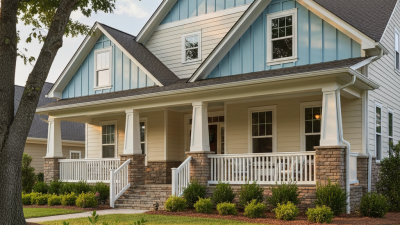
Why Choose the Best Siding Supply for Your Project?

Choosing the right siding supply can significantly impact your project's success. Quality materials enhance the aesthetics and durability of your building. With numerous options available, it’s easy to feel overwhelmed. However, understanding the importance of sourcing reliable siding supply is essential.

Investing in top-tier siding not only improves your home’s curb appeal but also protects it from harsh weather. Premium siding materials resist fading, rotting, and warping, ensuring long-lasting beauty. Many homeowners overlook these benefits, which can lead to costly repairs down the line.

Local suppliers often provide personalized service and expertise. Their knowledge can guide you in selecting the best siding for your environment. Finding the perfect balance of quality and cost is vital. Not every cheap siding is bad, but lower prices often come with hidden drawbacks. By choosing wisely, you can avoid regrets and create a lasting masterpiece.
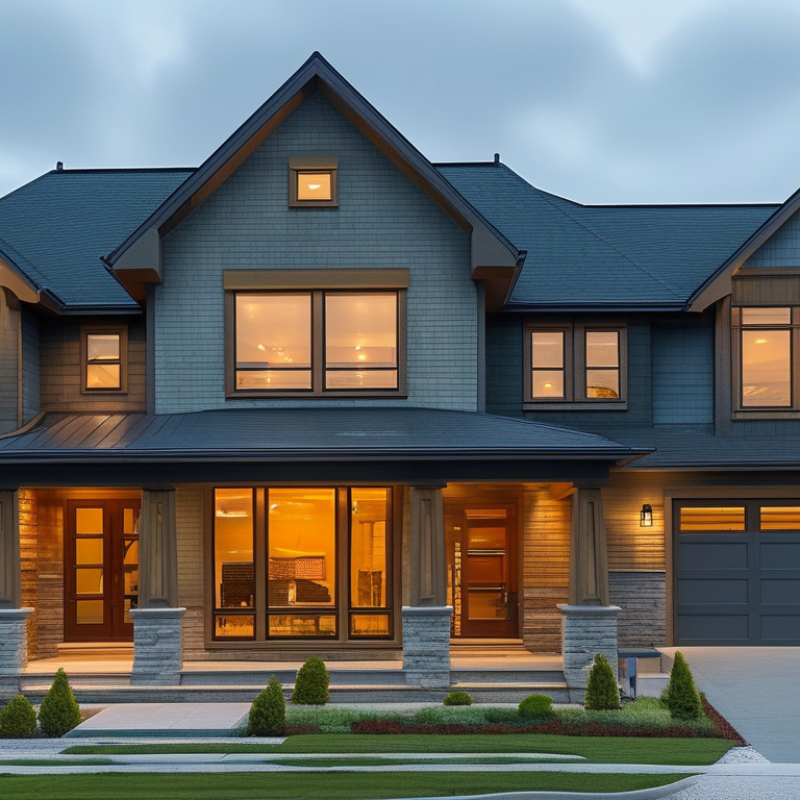
Why Choose the Best Siding Supply for Your Project?

Understanding the Importance of Quality Siding Supplies

Choosing quality siding supplies is essential for any construction or renovation project. Quality materials provide better durability. They resist harsh weather conditions, reducing the need for frequent repairs. Homeowners often overlook this detail. They may focus on aesthetics alone, neglecting the long-term benefits of superior siding.

Investing in high-quality supplies ensures your home looks great for years. The right siding can increase energy efficiency too. Poor-quality materials may lead to drafts, driving up energy costs. It's crucial to understand the specifications of what you are buying. Make sure to examine warranties and installation guidelines.

Many are tempted to opt for cheaper options. This choice can lead to disappointment. Short lifespan and increased maintenance can outweigh initial savings. Reflecting on these factors can help achieve a better outcome. Quality siding is a long-term investment in your property.

Importance of Quality Siding Supplies

Key Factors to Consider When Choosing Siding Materials

Choosing the right siding materials is not just about aesthetics. It's about durability, energy efficiency, and maintenance. Quality siding can protect your home from weather extremes. Consider the local climate when selecting materials. For instance, wood can be beautiful but may not endure heavy rainfall.

Inspect the energy efficiency ratings of the siding. Insulated options can reduce heating and cooling costs significantly. Even a small improvement can lead to better comfort. Review warranties carefully. A long warranty often indicates confidence in the product’s longevity.

Modern technologies have led to various innovative siding options. Some materials are resistant to insects and decay. However, the less common choices might require special handling. Research is crucial. Read reviews and seek expert advice. This can prevent costly mistakes. Remember that initial costs can be misleading. Sometimes, the cheapest option can lead to higher long-term expenses. Always think ahead.

Comparing Different Types of Siding: Pros and Cons

When selecting siding for your project, understanding the pros and cons of different materials is crucial. Vinyl siding is popular for its affordability and low maintenance. According to a 2022 Remodeling Cost vs. Value report, vinyl siding retains about 74% of its installation costs upon resale. However, it may not offer the same level of insulation as other materials, leading to higher energy costs over time.

Wood siding provides classic appeal but requires regular maintenance. It can be susceptible to rot and insect damage. The National Association of Home Builders noted that wood siding can increase a home's value, but the upkeep might deter some homeowners. Fiber cement siding offers durability and can replicate the look of wood or stucco. This option is more resistant to weather and pests, although it comes with a higher price tag.

Each siding type has distinct characteristics. Consider your climate, budget, and long-term maintenance. The right choice balances aesthetics with practicality. Reflect on these factors to make an informed decision.

The Impact of Siding on Home Aesthetics and Value

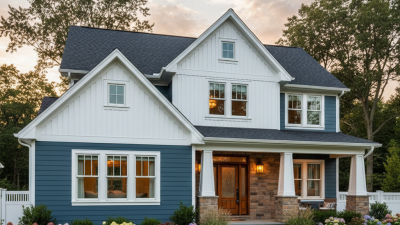
Siding plays a crucial role in defining the aesthetics and market value of a home. Research shows that homes with new siding can recoup over 75% of their investment upon resale. A well-chosen siding type not only enhances curb appeal but also protects against weather damage. The right material can elevate a property's profile in the neighborhood, creating a lasting impression on potential buyers.

Consider the local climate when selecting siding. Vinyl siding, for example, is durable and low-maintenance, making it an ideal choice for various environments. Alternatively, wood siding offers aesthetic warmth but requires more upkeep. Balancing beauty with practicality is essential. A choice that looks good today might not hold up well over time, calling for careful consideration.

Evaluate energy efficiency as well. Certain siding materials can improve insulation, which helps reduce utility bills. Investing in insulated siding may enhance both comfort and savings. Don't ignore the potential for personal style. While trends fluctuate, opt for siding that reflects your tastes while appealing to future buyers. A classic look generally maintains value better than fads. Ultimately, siding selection impacts more than just looks; it influences your home's long-term value and livability.

Why Choose the Best Siding Supply for Your Project?

Siding Type Material Aesthetic Appeal Average Cost (per sq. ft.) Durability (Years) Impact on Home Value
Vinyl Siding PVC Moderate $3.00 20-40 Good
Wood Siding Natural Wood High $5.00 20-30 Excellent
Fiber Cement Siding Cement, Wood Fiber Very High $7.00 30-50 Excellent
Aluminum Siding Aluminum Moderate $4.00 30-40 Good
Stucco Siding Cement High $6.00 50+ Very Good

Finding Reliable Suppliers for Your Siding Project

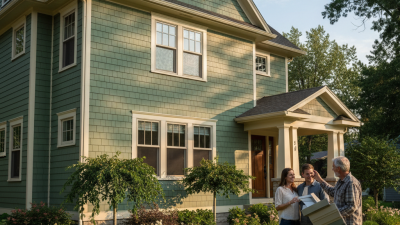
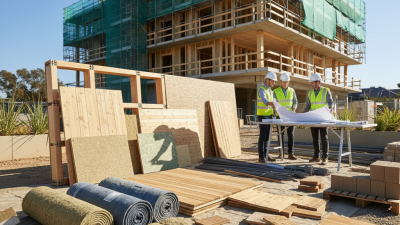
Choosing the right supplier for your siding project can make a significant difference. Reliable suppliers not only provide quality materials but also bring expertise to the table. This expertise can guide homeowners in selecting the best siding options for their specific climate and architectural style. When sourcing materials, consider looking for suppliers who are knowledgeable about local building codes and environmental factors.

Establishing a relationship with a trustworthy supplier can lead to more than just a transaction. It fosters a collaborative approach to your project. Suppliers can offer insights based on their experience, helping you avoid common pitfalls. However, it's important to research and assess their credentials thoroughly. Some may present themselves as experts, yet lack the necessary background. Seek testimonials or examples of previous projects they have completed.

Remember, the supplier's reliability is crucial. The cheapest option might seem attractive but could lead to shortcomings down the road. Evaluate their warranty policies and return options. This can be telling of their commitment to quality. A good supplier should stand behind their products. In the end, investing time in finding the right supplier can lead to a smoother project experience, reducing the chances of costly mistakes.