
How to Choose the Perfect Ceramic Cup for Your Needs?

Choosing the perfect Ceramic Cup can be a daunting task. With various shapes, colors, and styles available, how do you know which one suits your needs? A ceramic cup should not only look appealing but also serve its purpose effectively. Consider the size, as it impacts the amount of your favorite beverage it can hold. A larger cup might be great for coffee lovers, while a small one is perfect for tea.

The material and design of the ceramic cup also matter. High-quality ceramics can provide better insulation, keeping your drink hot or cold longer. Pay attention to the handle's comfort. It should feel natural in your hand. A poorly designed handle can make a beautiful cup unpleasant to use.

Think about your lifestyle. If you often entertain guests, opt for unique designs that spark conversation. If you prefer minimalist designs, choose simple lines and neutral colors. Ultimately, your choice should reflect both functionality and personal style. A ceramic cup's beauty is in its imperfections. Embrace the journey of finding that perfect cup.
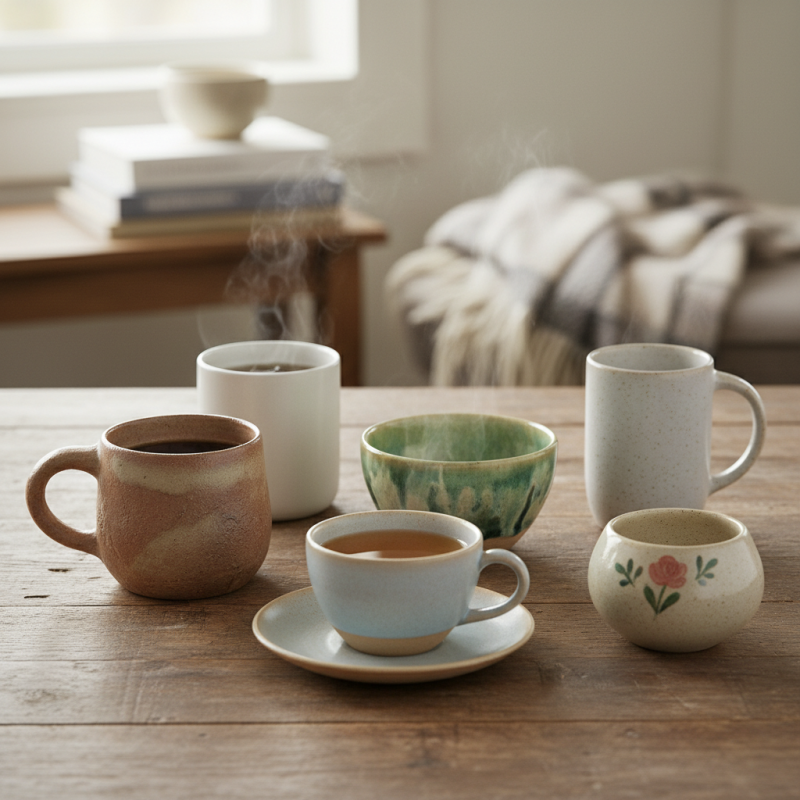
How to Choose the Perfect Ceramic Cup for Your Needs?

Factors Influencing Ceramic Cup Selection: Material and Design Choices

Selecting the right ceramic cup involves understanding various materials and design choices. Ceramic cups can range from earthenware to stoneware and porcelain. Each material has unique properties. Earthenware is porous and often less durable, while stoneware is robust and retains heat well. Porcelain, on the other hand, boasts a fine finish and can be more fragile. Knowing these characteristics can help you choose wisely.

Design also plays a significant role. Consider the cup's shape and size. A wider brim can enhance the aroma of beverages, while a narrower rim may focus it. Think about the handle as well. Some designs offer better grip, making them more comfortable to hold. Aesthetic factors can influence your choice, too. Patterns, colors, and textures can express your personality.

Don’t forget about practicality. How often will you use the cup? For daily use, a durable design is crucial. Additionally, think about ease of cleaning. Some intricate designs can trap dirt, requiring more effort to maintain. Reflecting on these factors will ultimately lead you to a more satisfying choice.

Understanding Different Types of Ceramic: Stoneware, Earthenware, and Porcelain

When choosing a ceramic cup, it’s essential to understand the differences among stoneware, earthenware, and porcelain. Each type offers unique features suitable for various needs. Stoneware is durable and resistant to scratches. It can handle both hot and cold beverages well. This makes it a popular choice for everyday use. Its thick walls help retain heat, keeping your coffee warm for longer. However, it may be heavier than other types.

Earthenware is less durable and more porous than stoneware or porcelain. It often appears rustic and charming. This type is perfect for casual settings. It is often used for serving beverages at family gatherings. But, because it's more prone to chipping, you should handle it with care. For those who value aesthetics, earthenware provides a vibrant, colorful option.

Porcelain stands out for its elegance and thinness. It’s non-porous, making it less likely to absorb flavors and odors. This type is ideal for fine dining or special occasions. However, it can be fragile. You might need to be mindful of accidental drops. Finding the right ceramic cup requires considering your lifestyle and preferences. Each material has its pros and cons, inviting reflection on your choices.

Evaluating Durability and Heat Resistance: Key Parameters for Ceramic Cups

When selecting a ceramic cup, durability and heat resistance are crucial factors to consider. A study by the American Ceramic Society indicates that high-fired stoneware cups can withstand thermal shock better than traditional earthenware. This means they are less likely to crack when filled with hot liquids. Evaluating the production process of ceramic cups can also reveal insights about their endurance. Cups that undergo a longer firing process typically show enhanced durability.

Regarding heat resistance, not all ceramic materials are created equal. Porcelain, for instance, is renowned for its ability to retain heat, making it an excellent choice for hot beverages. However, some ceramic glazes may not withstand high temperatures and could leach chemicals into drinks. It’s advisable to choose cups labeled as microwave and dishwasher safe, as these specifications often denote better heat tolerance.

Tip: Check for a smooth, even glaze on cups. This often indicates quality craftsmanship.
Tip: Avoid hollow handles, which can trap heat and become uncomfortable to hold.
Pay attention to subtle color variations in ceramic; they may hint at a cup's performance under various conditions.

The Role of Aesthetics in Choosing Ceramic Cups: Color and Patterns

When selecting the perfect ceramic cup, aesthetics play a crucial role. Color and patterns not only appeal to our visual senses but also influence our mood. According to data from the Color Marketing Group, colors can affect emotions. For example, warm colors like red and orange can energize, while cool colors such as blue and green promote calmness. This insight highlights the importance of color choice in ceramic cups, especially for daily use.

Patterns also hold significant value. A study published by the Journal of Consumer Research found that intricate designs can enhance perceived value. Consumers often feel more connected to items with unique patterns, as these designs tell stories or reflect personal tastes. However, striking the right balance is essential. Overly busy designs may detract from enjoyment, making simpler patterns more appealing in some contexts. Choosing the right aesthetic is a matter of personal preference, yet it influences how we perceive our drinking experience.

While aesthetics are vital, they should complement functionality. A beautiful cup loses its charm if it's uncomfortable to hold or not practical for everyday use. Evaluating both aesthetics and practicality ensures a well-rounded choice. Reflections on personal experiences with cups can guide future selections. Embracing imperfections in design might lead to discovering a cup that feels uniquely yours.

Assessing Size and Capacity Needs: How Volume Affects User Experience

When selecting a ceramic cup, size and capacity are crucial factors to consider. A small cup may suit espresso lovers well, but it might feel inadequate for those who prefer larger servings. Assessing personal habits is essential. Take a moment to reflect on how much beverage you typically consume. This small step can influence your overall satisfaction.

The volume of a cup not only affects how much you can drink but also impacts the experience itself. A larger cup can provide a comfortable grip and a sense of fullness, while a petite cup may feel dainty but risk frequent refills. Consider holding different sizes in your hands. How do they feel? Do they align with your drinking preferences? Testing these subtle differences can lead to a more enjoyable experience.

Overall, the right size should match your routine and preferences. The cup should enhance your daily ritual, not complicate it. Think about what truly works for you, and don't rush the process. A ceramic cup is not just a vessel; it's part of your drinking journey. So choose mindfully and observe how size makes a difference in your enjoyment.

Choosing the Perfect Ceramic Cup: Size and Capacity Needs

Article Source: