What is a Construction Warehouse and Its Importance in the Industry?
The construction warehouse plays a pivotal role in the construction industry. According to the latest report from the National Association of Home Builders, an efficient construction warehouse can enhance project turnaround time by up to 30%. The seamless storage and distribution of materials are essential for meeting deadlines. Industry expert Michael Turner emphasizes, “A well-organized construction warehouse can significantly reduce costs and increase productivity.”
In today’s competitive construction landscape, optimizing a construction warehouse is crucial. Advanced technologies, such as AI-driven inventory management, are emerging as game changers. They allow for real-time tracking of materials and help manage space more effectively. However, many companies still face challenges in fully utilizing these technologies.
Moreover, there's room for improvement in logistics management. Inefficient practices can lead to unnecessary delays and increased expenses. Experts advocate for a continual assessment of warehouse operations. The goal is to identify bottlenecks and improve workflow. Embracing innovation while assessing current methods is essential for future growth.
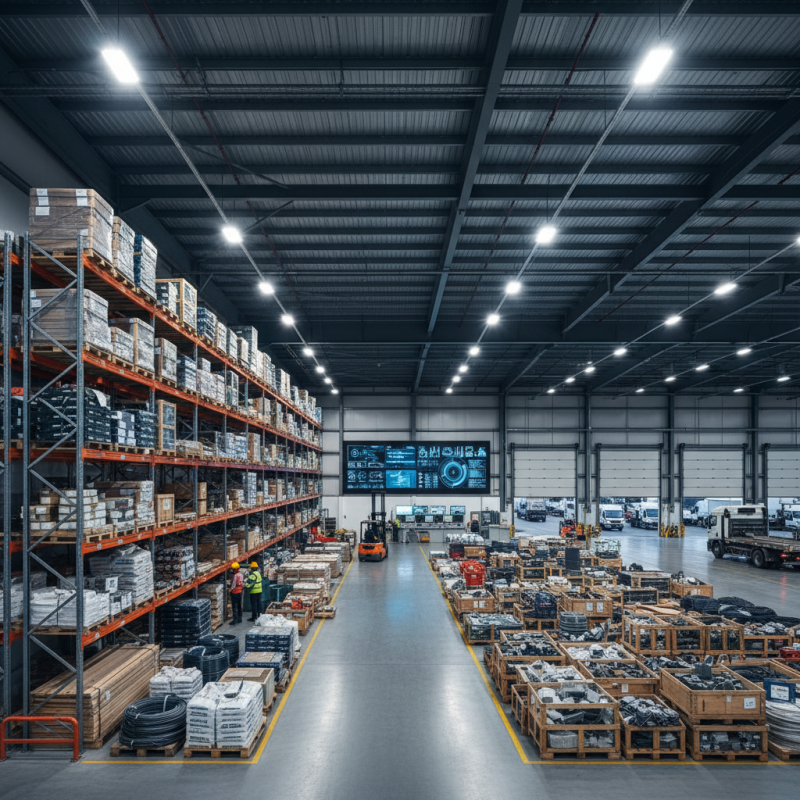
Definition and Overview of a Construction Warehouse
A construction warehouse serves as a critical hub in the building industry. It is essentially a storage facility where materials, tools, and equipment are kept. The organization of these items plays a crucial role in productivity. Properly storing materials can prevent waste and damage, which ultimately saves money.
Construction warehouses come in various sizes and layouts. Some may be expansive, while others are smaller and more specialized. They should be designed to enhance efficiency and accessibility. Workers should be able to find what they need quickly. However, many warehouses struggle with clutter and disorganization. This can lead to delays and frustration on the job site.
The importance of a construction warehouse cannot be overstated. It facilitates smooth workflows by ensuring that all necessary materials are available. Inefficient storage can negatively impact project timelines. This issue often requires reflection and improvement to ensure that the warehouse meets the evolving needs of construction teams. It’s an ongoing challenge that industry professionals must address consistently.
Key Functions and Features of Construction Warehouses
A construction warehouse serves as a critical resource for managing materials and equipment. These warehouses are designed to facilitate the storage and distribution of various construction supplies. Key features include organized shelving, climate control, and secure areas for valuable items. Efficient organization within a warehouse reduces time spent searching for materials.
The primary functions of construction warehouses involve inventory management and logistics. They ensure that the right materials are available when needed. This helps to prevent project delays, which can be costly. Warehouses also support bulk purchasing, enabling firms to reduce costs. A well-maintained warehouse contributes to smoother operations on construction sites.
Tips: Regular inventory checks are essential. This can help identify supplies that need reordering. Consider implementing a tracking system for better efficiency. Evaluate the layout periodically; improvements can enhance workflow. Reflect on whether the current space meets your growing needs; flexibility can lead to better performance.
Construction Warehouse Key Functions
Role of Construction Warehouses in Supply Chain Management
Construction warehouses play a crucial role in supply chain management. They act as a central hub for materials, tools, and equipment. By housing these essential items, warehouses ensure timely access for construction projects. This organization can significantly reduce delays caused by material shortages. A well-maintained warehouse keeps everything orderly and accessible.
However, not all warehouses operate efficiently. Poor inventory management can lead to missing tools or surplus materials. Construction teams may find themselves waiting for important deliveries. Alternatively, excess stock can clutter the space and increase costs. Real-time tracking systems can help address these issues. With proper implementation, warehouses can adapt to changing demands swiftly.
In addition to storage, warehouses facilitate better communication among stakeholders. They serve as a link between suppliers and construction sites. This collaboration can smooth out potential misunderstandings. Nonetheless, reliance on third-party logistics can backfire. Delays from external partners may disrupt the entire supply chain. Ensuring all parties are on the same page is vital for success.
What is a Construction Warehouse and Its Importance in the Industry? - Role of Construction Warehouses in Supply Chain Management
| Dimension |
Description |
Importance |
| Storage Capacity |
The total volume of materials that can be stored in the warehouse. |
Ensures availability and reduces lead times on projects. |
| Inventory Management |
Systems and processes employed to track and manage material supplies. |
Enhances efficiency and minimizes surplus or shortages. |
| Location |
Geographical position of the warehouse in relation to construction sites. |
Reduces transportation costs and improves logistics. |
| Technology Integration |
Use of software and technology for tracking and managing supplies. |
Provides real-time data and improves decision-making. |
| Supplier Relationships |
Connections and negotiations with suppliers for procurement of materials. |
Can lead to better pricing and consistent supply. |
Benefits of Utilizing Construction Warehouses in the Industry
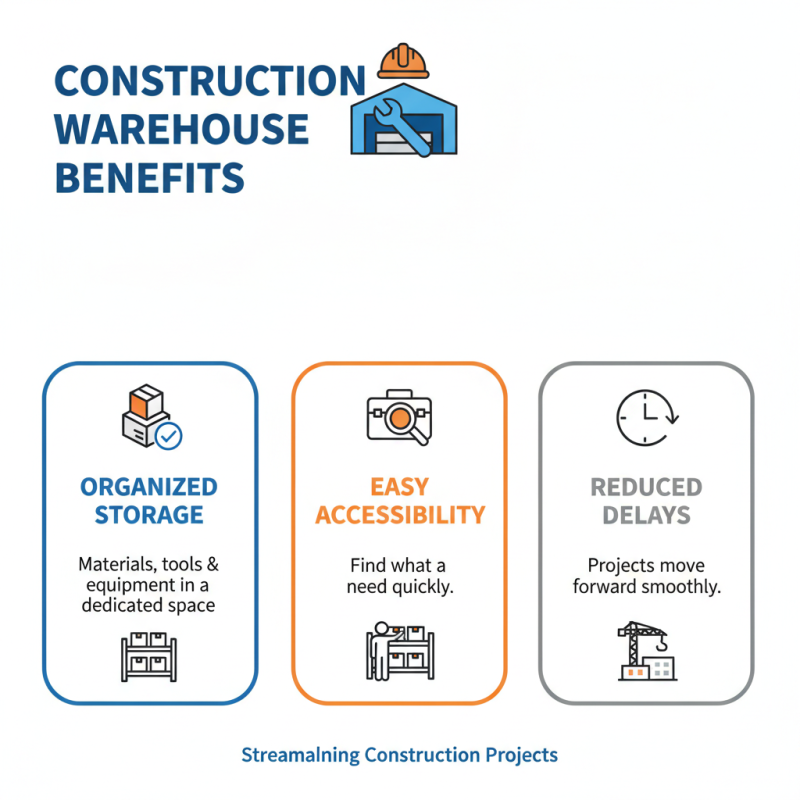
Construction warehouses play a crucial role in the industry. They provide a dedicated space for storing materials, tools, and equipment. This ensures that everything is organized and easily accessible. A well-managed warehouse reduces delays on-site. When workers can find what they need quickly, projects move forward smoothly.
Utilizing a construction warehouse can lead to cost savings. Bulk purchasing of materials becomes feasible, reducing overall expenses. Moreover, having a secure place for equipment minimizes theft and damage. However, improper inventory management can lead to challenges. It’s easy to misplace items or miscalculate stock levels. This could result in project holdups and increased costs.
Efficiency is enhanced by effectively using warehouse space. Strategic organization can improve workflow. Workers spend less time searching for supplies. Yet, maintaining order requires consistent effort. Regular audits and updates are essential, but they can be overlooked. It's important to reflect on these practices regularly for continued improvement.
Challenges and Best Practices for Managing Construction Warehouses
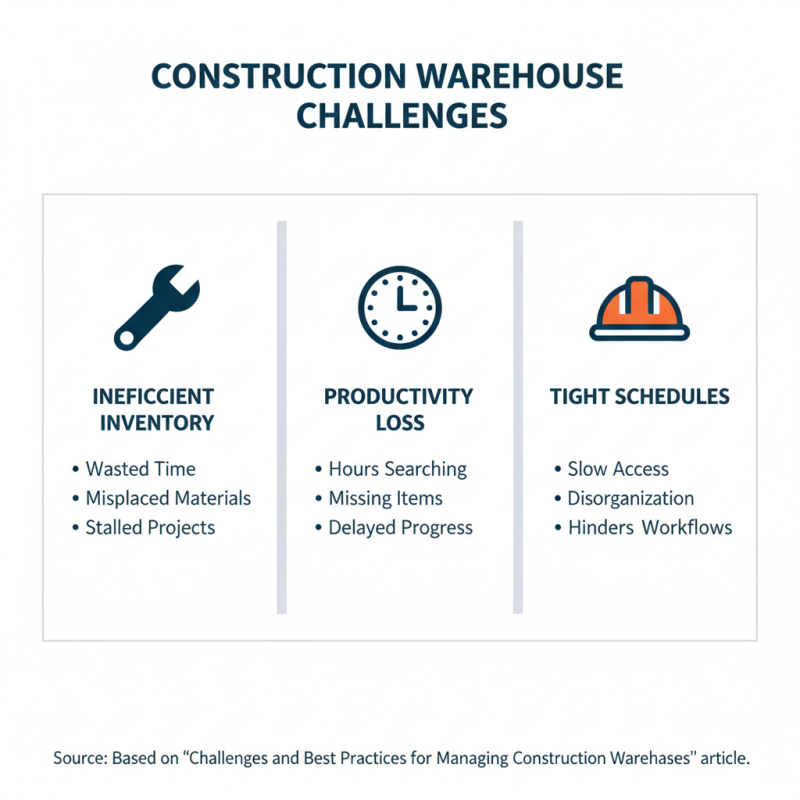
Managing construction warehouses presents various challenges. Inefficient inventory management often leads to wasted time. Projects can stall when materials are misplaced. Employees may spend hours searching for missing items. This affects overall productivity. Tight schedules demand quick access to resources. A disorganized warehouse can hinder progress.
To tackle these issues, adopting best practices is essential. Implementing a systematic inventory tracking system helps maintain order. Regular audits can identify discrepancies and prevent losses. Visual aids, like color-coded storage areas, enhance efficiency. Training staff on proper handling reduces damage to materials. However, not all teams embrace change. Resistance can slow down implementations.
Communication plays a key role in warehouse management. Clear channels enhance collaboration among team members. Regular updates keep everyone informed about inventory levels. Feedback from workers on the ground can highlight more effective methods. Addressing concerns promptly fosters a positive environment. Ultimately, continuous improvement is crucial for success in construction warehouse management.