What is Green Building Supply and Why is it Important?

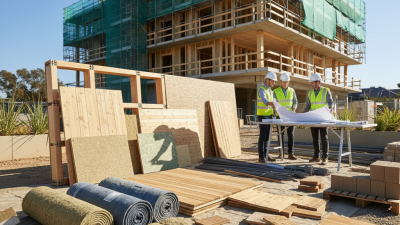
Green building supply refers to materials and products that minimize environmental impact. This concept has gained traction as sustainability becomes vital in construction. Using eco-friendly materials helps reduce waste and energy consumption.

The importance of green building supply cannot be understated. Buildings consume a significant portion of global resources. By choosing sustainable options, we can mitigate environmental damage. For instance, recycled materials reduce landfill waste. They also offer unique aesthetic qualities.

However, challenges persist. Not all green supplies are accessible or affordable. This could discourage builders from adopting sustainable practices. Additionally, some certifications may mislead consumers. Reflection on these issues is needed. A more transparent approach in green building supply can enhance trust and encourage wider adoption.

What is Green Building Supply and Why is it Important?

Definition of Green Building Supply and Its Key Components

Green building supply refers to products and materials that are environmentally friendly. They play a crucial role in sustainable construction practices. A report from the World Green Building Council indicates that buildings contribute to nearly 40% of global CO2 emissions. This emphasizes the need for greener alternatives in construction.

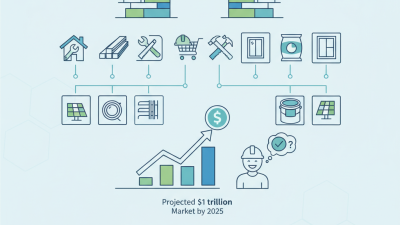
Key components of green building supply include energy-efficient materials, sustainable wood, and low-VOC (volatile organic compounds) products. For example, using recycled steel can reduce energy consumption in manufacturing by up to 75%. Yet, many still overlook these options due to perceived costs or availability issues. Sustainable landscaping materials also contribute to eco-friendly projects. Despite the benefits, the industry often struggles with a lack of awareness among builders and homeowners.

The integration of renewable energy systems, such as solar panels, is vital. Studies show that these systems can significantly reduce long-term energy costs. However, upfront costs deter many from investing. Challenges remain in educating all stakeholders about the importance and long-term savings of green building supplies. The shift toward sustainable construction is still evolving, and many are hesitant to fully embrace these changes.

Importance of Green Building Supply

The Importance of Sustainable Materials in Construction

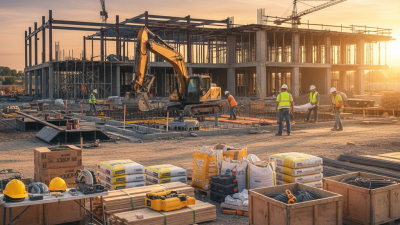
Sustainable materials are vital in the construction industry. They help reduce environmental impact. Many buildings today use materials that are harmful to nature. These choices contribute to pollution and resource depletion. The construction sector consumes a significant amount of energy and raw materials. Therefore, selecting eco-friendly options is essential.

Green building supplies like reclaimed wood and recycled steel are becoming more common. These materials often require less energy to produce. They can be just as durable as traditional options. However, some builders still hesitate to adopt these materials due to misconceptions about cost or availability. Change is not always easy. Traditional practices are deeply ingrained in the industry.

Using sustainable materials often leads to healthier spaces. They can improve indoor air quality and promote well-being. However, the journey toward full sustainability is ongoing. There are still gaps in awareness and education among builders and homeowners. It’s crucial to keep exploring and learning about better options. Every small step counts toward a more sustainable future.

Environmental Benefits of Green Building Supply

What is Green Building Supply and Why is it Important?

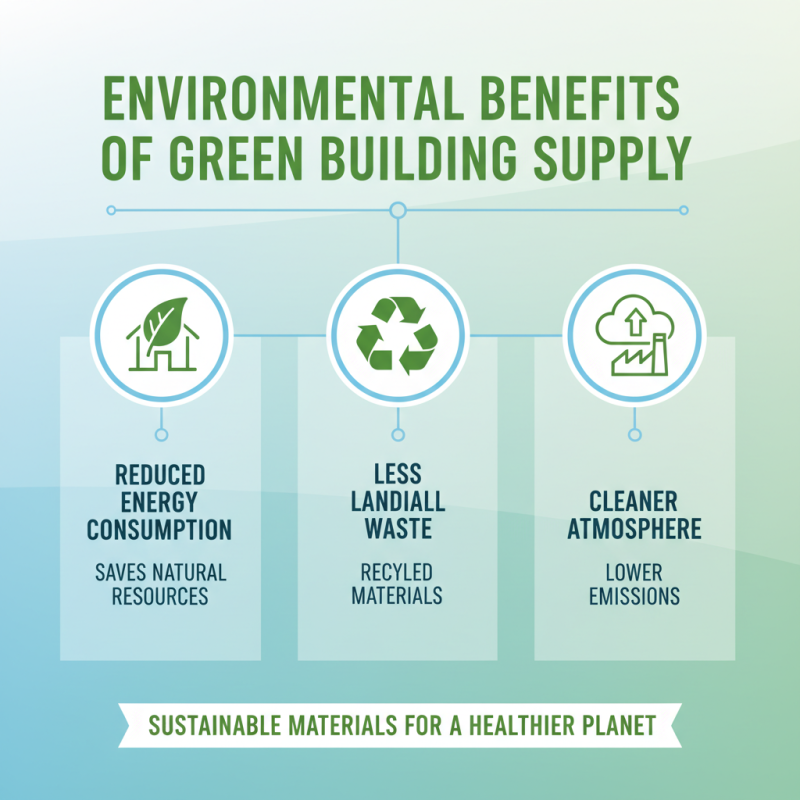
Green building supply focuses on using sustainable materials that reduce environmental impact. This approach helps decrease energy consumption and conserves natural resources. For instance, building with recycled materials can significantly lower landfill waste. Moreover, the production of eco-friendly materials usually emits fewer greenhouse gases, contributing to a cleaner atmosphere.

To embrace green building supply, consider these tips. Start by opting for locally sourced materials. This reduces transportation emissions and supports local economies. Also, look for products with certifications that prove their sustainability. These certifications provide transparency and help you make informed choices.

It’s crucial to reflect on your choices. Not every sustainable material is perfect or easily accessible. Some green options may be more expensive upfront. Balancing cost with environmental benefits requires careful thought. Ultimately, making even small adjustments in your building supply can lead to significant improvements in environmental health.

Economic Advantages of Green Building Practices

Green building practices offer significant economic advantages that can impact the overall financial health of a project. According to a report by the U.S. Green Building Council, green buildings can reduce operating costs by 30%. This reduction translates to substantial savings over time. Lower energy and water bills benefit both developers and occupants. The investment pays off.

The construction and renovation phases also see financial benefits. A study by McGraw Hill Construction found that 48% of builders reported an increase in demand for green homes. This demand can enhance property values. Homes built with eco-friendly materials often sell for 10% more than traditional ones. However, not all developers embrace these practices. Some see upfront costs as a barrier. This perception needs to change.

**Tips:** Consider using local materials. This reduces transportation costs and supports the local economy. Also, analyze the long-term savings versus initial investments carefully. Sustainable choices could lead to unexpected benefits, like increased marketability. Reflect on why these advantages might not currently be appealing. Understanding the broader context may shift perspectives.

Certification and Standards for Green Building Supply Products

Green building supply products are essential for sustainable construction. They minimize environmental impact and promote health. Certification and standards ensure these products meet specific criteria. This process helps consumers make informed choices.

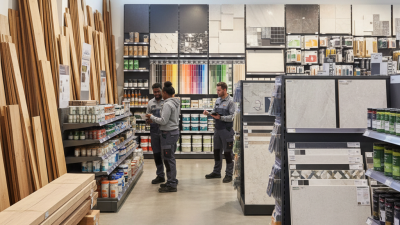
Many green products carry certifications. These can include Energy Star, LEED, or other local standards. These logos help identify trusted items. However, not all products are certified. This can be confusing for buyers. It's important to research and verify claims.

Tips: Look for multiple certifications. Check for local guidelines relating to green products. Sometimes, claims on packaging can be misleading.

Understanding the standards can be challenging. Some products may lack clear certification while still being eco-friendly. It’s essential to consider the overall life cycle of materials. This means assessing their environmental impact from production to disposal.

Tips: Always ask questions. Seek clarity from suppliers about product origins. Ignoring this can lead to unintentional choices. Knowledge is key in making sustainable selections.