What Makes Hdpe Cutting Board Material the Best Choice?
Cutting boards are essential in every kitchen. Choosing the right material can enhance food preparation. Hdpe Cutting Board Material stands out as an excellent choice. Its durability and resistance to deep knife cuts make it ideal for heavy use.
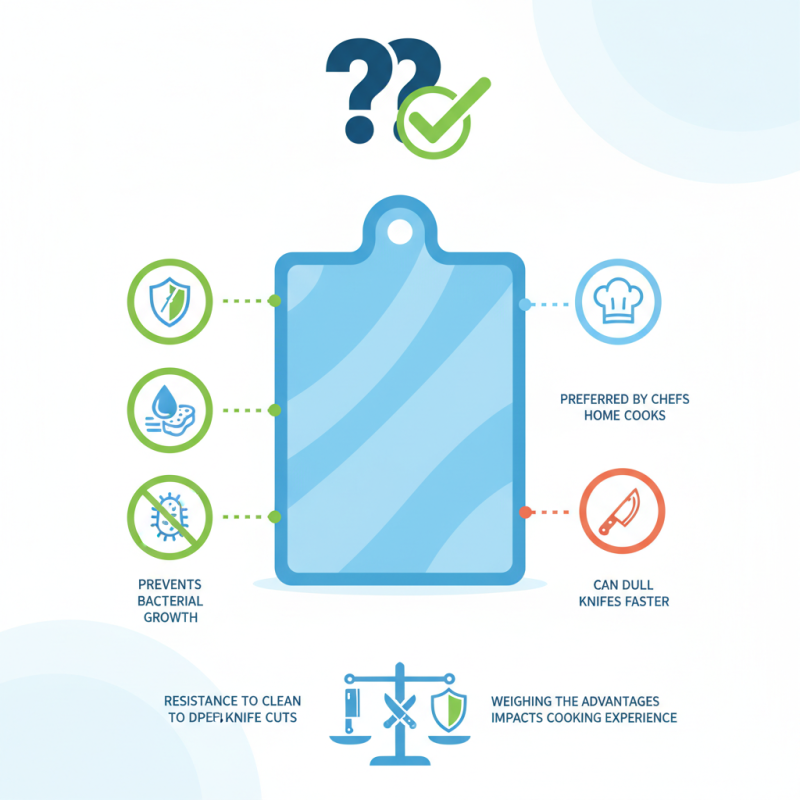
Hdpe, or high-density polyethylene, is non-porous. This feature helps prevent bacterial growth, a critical factor in food safety. The surface is easy to clean, and this adds to its appeal for home cooks and professionals alike. Many chefs prefer it for these reasons.
However, it is essential to consider that not all cutting boards are created equal. Some users find Hdpe boards can dull knives faster than wood. While this is a drawback, it is vital to weigh it against the advantages. Ultimately, the choice of cutting board can significantly impact your cooking experience.
What is HDPE and its Common Uses in Cutting Boards?
HDPE, or High-Density Polyethylene, is a versatile plastic often used in cutting boards. It is known for its durability and resistance to impact. Many kitchen professionals favor HDPE due to its non-porous nature. This quality helps prevent bacteria from penetrating the surface. Cuts and grooves can be cleaned easily, ensuring food safety.
In addition to its hygiene benefits, HDPE is lightweight. This makes handling and maneuvering the board simple. Many individuals find it easier to wash compared to heavier materials. The bright colors available can also enhance kitchen aesthetics. However, some users may find these boards less appealing than traditional wood boards.
Another interesting aspect of HDPE is its recyclability. After a long lifespan, it can be repurposed into new products. This boosts its reputation as an environmentally friendly option. A potential downside is that, while HDPE is robust, it can sometimes warp when exposed to high heat. So, careful handling is necessary. Even with imperfections, HDPE cutting boards are a practical choice for many kitchens.
The Benefits of HDPE Over Traditional Wooden and Plastic Cutting Boards
HDPE, or high-density polyethylene, stands out in kitchenware. It offers several advantages over traditional wooden and plastic cutting boards. One notable benefit is its superior resistance to bacteria. According to the USDA, HDPE boards are less harboring than wooden options. They can also be sanitized easily, making them a safer choice for food preparation.
Moreover, HDPE boards are less prone to knife marks and scratches compared to wood. A study published in the Journal of Food Protection shows that these marks can trap bacteria. HDPE’s smooth surface minimizes this risk. Durability is another plus—HDPE cutting boards can withstand heavy use without warping or cracking.
Tip: To maintain your HDPE cutting board, clean it with soap and warm water after each use. Avoid soaking it in water for prolonged periods.
While HDPE offers significant advantages, it is essential to consider personal preferences. Some chefs may still favor wooden boards for their aesthetic appeal and natural feel.
Tip: When choosing a cutting board, think about how often you cook. A versatile HDPE board is more practical for daily use.
Key Properties of HDPE: Durability, Non-Toxicity, and Resistance to Bacteria
HDPE, or high-density polyethylene, is rapidly becoming the preferred material for cutting boards. Its key properties include durability, non-toxicity, and resistance to bacteria. These attributes make it an ideal choice, especially in food preparation settings.
Durability is a significant factor. HDPE cutting boards can endure frequent use without scratching or warping. According to the National Sanitation Foundation, HDPE surfaces can withstand temperatures up to 120°C without degrading. This heat resistance adds to its appeal in professional kitchens. However, some users might notice minor surface wear over time, prompting a reflection on the longevity of even the most durable materials.
Non-toxicity is another vital property. HDPE is free from harmful chemicals like bisphenol A (BPA) and phthalates. The FDA recognizes HDPE as safe for food contact, which reinforces its reliability. Yet, it is still essential to keep cutting boards clean. Proper maintenance can help avoid potential bacterial growth, even on materials that resist it effectively. Studies show that HDPE surfaces harbor 50% fewer bacteria than wood, highlighting their efficacy in hygiene. However, routine sanitization remains crucial for ensuring safety.
What Makes Hdpe Cutting Board Material the Best Choice? | Property | Description | Benefits |
| Durability | HDPE is known for its high impact resistance and long lifespan. | Reduces the need for frequent replacements, saving costs over time. |
| Non-Toxicity | Free from harmful chemicals such as BPA and phthalates. | Safe for food contact, making it ideal for kitchen use. |
| Resistance to Bacteria | The non-porous surface prevents bacteria from accumulating. | Enhances food safety and hygiene, reducing contamination risks. |
| Easy to Clean | Can be easily washed with soap and water or sanitized. | Facilitates maintenance and keeps the board fresh and clean. |
| Lightweight | HDPE is easy to handle and transport. | Convenient for homeuse, catering, and outdoor activities. |
Industry Standards and Certifications for HDPE Cutting Board Safety
HDPE cutting boards are recognized for their safety and cleanliness. The material complies with strict industry standards, such as NSF International certification. This certification ensures that HDPE boards meet health and safety requirements, particularly for food contact. According to research, HDPE retains its surface integrity significantly better than wood or plastic when exposed to harsh sanitation processes.
Moreover, the FDA recognizes HDPE as a safe material for food preparation. A report from the International Journal of Food Science states that HDPE can inhibit the growth of bacteria due to its non-porous nature. This characteristic is crucial for maintaining hygiene in commercial and home kitchens alike. Yet, it's essential to regularly inspect these boards for wear. Scratches and grooves can harbor bacteria, leading to cross-contamination.
While HDPE cutting boards excel in safety, they are not immune to wear and tear. Users must replace boards that show significant signs of damage. This is often overlooked, yet it can compromise food safety. Infractions in maintenance can lead to serious health risks, illustrating the need for diligence. Balancing practical use and proper care is vital for maximizing the benefits of HDPE cutting boards.
Market Trends: Growing Popularity of HDPE in Commercial Kitchens
In recent years, HDPE (High-Density Polyethylene) cutting boards have surged in popularity within commercial kitchens. According to a report by Grand View Research, the global kitchenware market, including cutting boards, is projected to grow at a CAGR of 5.3% from 2021 to 2028. This indicates a significant shift towards materials like HDPE, known for their durability and ease of maintenance.
HDPE offers several advantages that appeal to professional chefs. It is non-porous, which prevents bacteria absorption. Studies show that cutting boards made from HDPE reduce food contamination risks. Product safety remains a top priority for restaurants. Moreover, the material is easy to clean and can withstand high temperatures, reinforcing its suitability for busy kitchen environments.
Despite these benefits, there are challenges to consider. Not all HDPE boards are created equal, and variations in quality can affect performance. Some users report scratches developing faster with frequent use. These imperfections can harbor bacteria if not properly managed. Thus, while adopting HDPE is a smart move for many kitchens, a critical evaluation of the product's quality is essential for ensuring safety and longevity in use.