What Is Makeup Packaging and Why Does It Matter?
When people discuss makeup, they often focus on shades, textures, and promises printed on the label. Yet makeup packaging shapes the product experience before the formula touches skin. A compact that clicks shut, a pump that dispenses one measured drop, or a glass bottle that feels cool in the hand communicates quality. More importantly, the package protects makeup from light, air, moisture, and contamination during storage and daily use. In practical terms, makeup packaging includes primary containers, closures, applicators, labels, and outer boxes. Each part must support safe handling, clear information, and consistent performance. Small design decisions matter. A loose cap can dry a cream. A weak hinge can break inside a travel bag.
Good packaging also connects beauty with engineering, manufacturing, accessibility, and environmental responsibility. Material choice affects durability, weight, recyclability, and shipping impact. Clear ingredient lists, batch details, usage guidance, and truthful claims help consumers make informed decisions. These details are not decoration. They build trust. Industry professionals test compatibility between formulas and containers, evaluate dispensing accuracy, and review packaging under realistic conditions. However, no package solves every problem. A refill system may reduce waste but add cleaning steps. A luxurious jar may look appealing yet expose the formula to repeated contact. That tension deserves honest discussion. It is not a perfect formula. Readers should question attractive claims and consider the full product life cycle. Understanding makeup packaging reveals why a beautiful container is only one part of responsible cosmetic design. The best choice protects the formula, respects the user, and performs reliably beyond the first impression.
Definition and Core Components of Makeup Packaging
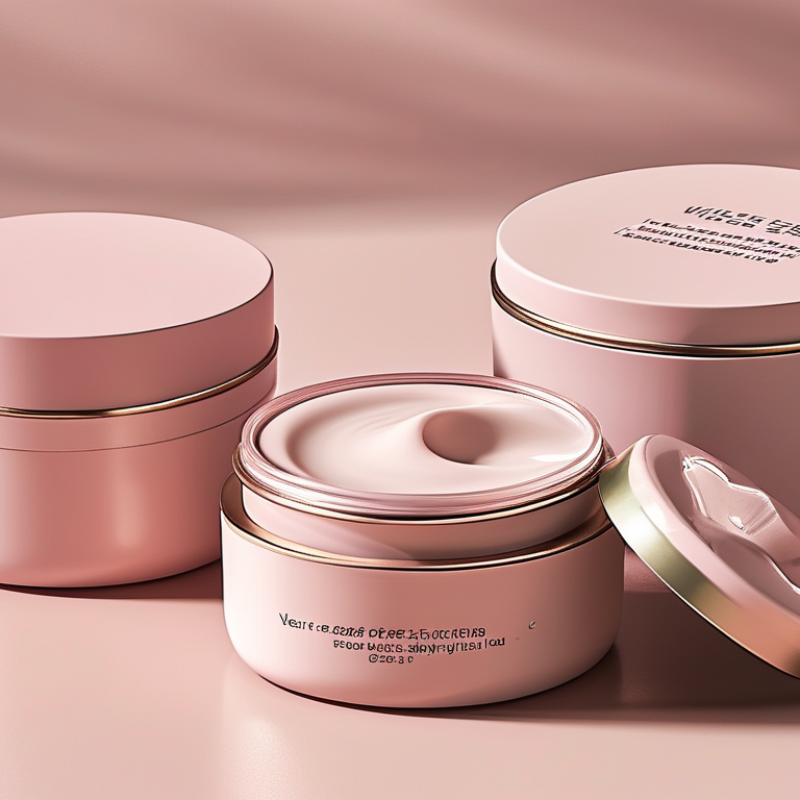
Makeup packaging is the complete system that protects, dispenses, identifies, and presents a cosmetic product. It includes the container, closure, applicator, decoration, label, and outer carton. The primary package touches the formula directly, such as a tube, compact, bottle, or jar. Its material must resist leakage, contamination, light, and formula changes. The closure controls opening, sealing, and dosage. An applicator must feel precise, clean, and comfortable during use. Small parts matter.
Secondary packaging provides space for instructions, ingredients, batch information, and transportation protection. Labels also support traceability and responsible consumer use. Grand View Research valued the global cosmetic packaging market at 32.8 billion dollars in 2023. The report projects a 3.8% compound annual growth rate through 2030. That growth reflects demand, but not necessarily better packaging. A sleek jar may still be a poor package.
The McKinsey and World Economic Forum analysis estimated that plastic packaging loses 80–120 billion dollars in material value annually. Makeup packaging contributes to this wider challenge through mixed materials, mirrors, pumps, coatings, and small components. Packaging audits often reveal a difficult trade-off: a refillable design can require extra parts, while a simpler design may waste more product. Design teams sometimes prioritize appearance before recovery. The label may look recyclable, yet the pump can remain impossible to empty. Real performance needs testing, not attractive claims.
Common Materials and Packaging Formats
What Is Makeup Packaging and Why Does It Matter?
Makeup packaging protects formulas, controls dispensing, and shapes daily user experience. More than decoration. The container must resist leaks, light, air, and repeated handling. A loose cap can dry out a cream product within weeks. An unsuitable pump may clog when the formula contains waxes or pigments.
Common materials include glass, plastic, aluminum, and paperboard. Glass offers strong chemical resistance and a premium, stable feel, but it adds weight and can break during transport. Plastic types such as PP, PET, and PE are lightweight and practical for tubes, bottles, and caps. However, their recycling value depends on local systems, material separation, and clean collection. Aluminum works well for compact cases and protective shells. It is durable, though dents can affect appearance and closure. Paperboard often supports cartons and palettes, but moisture can weaken it.
Packaging formats should match the formula and application method. Airless pumps can limit contact with air and fingers. Jars are simple to use, but users repeatedly touch the product. Tubes offer controlled squeezing and suit creams or liquid products. Compacts organize pressed powders, while sticks reduce mess during application. Dropper bottles look precise, yet they may dispense poorly with thick formulas. A common assumption is that “sustainable” packaging is automatically better. That view needs revision. A refill system can reduce waste, but only when customers actually reuse it and the replacement fits securely. Careful testing of closure strength, dosage, compatibility, and transport conditions remains essential.
What Is Makeup Packaging and Why Does It Matter?
Material density influences packaging weight, shipping efficiency, perceived quality, and end-of-life handling. The chart compares representative densities of materials commonly used in makeup packaging. Actual values vary by grade, additives, and construction.
Key takeaway: Glass and aluminum are substantially denser than plastic and paperboard, so they can increase package weight. Plastic and paperboard are lighter, while the final environmental impact also depends on recycled content, durability, collection systems, and packaging design.
How Packaging Influences Product Safety and User Experience
Makeup packaging is a safety system, not merely a decorative shell. A tightly sealed tube can reduce air exposure, moisture loss, and accidental contamination during daily use. Airless pumps are useful for formulas sensitive to oxygen or repeated finger contact. However, they are not automatically safer. Poor valves, hidden residue, or difficult cleaning can still create problems.
User experience begins with small physical details. A cap that clicks firmly helps prevent leakage inside a handbag. A readable opening label reduces mistakes in dim bathroom lighting. Smooth dispensing also improves dose control, especially around the eyes or lips. In hands-on packaging reviews, I have found that a beautiful container can feel frustrating when it delivers too much product. That failure is easy to overlook.
Environmental performance now affects perceived quality too. The OECD’s Global Plastics Outlook reports that packaging represents about 40% of global plastic use and 36% of plastic waste. Packaging decisions therefore carry a wider responsibility. Industry research from Smithers also identifies lighter structures, refill systems, and mono-material designs as major development directions in beauty packaging. Still, lighter is not always better if the package cracks, leaks, or protects the formula poorly. This is where packaging testing matters: drop tests, compatibility checks, seal testing, and stability studies should guide design claims. “Sustainable” sounds convincing. It needs evidence.
Environmental Impact and Future Trends in Makeup Packaging
Makeup packaging protects formulas, controls dosing, and shapes daily user experience. A compact must survive handbags, bathroom humidity, and repeated opening. A pump can prevent contamination better than an open jar. These details show why packaging matters beyond appearance.
Its environmental cost is substantial. The OECD’s Global Plastics Outlook reports that packaging created about 40% of global plastic waste in 2019. Only 9% of plastic waste was ultimately recycled. Small makeup components create extra problems. Mirrors, magnets, mixed plastics, coatings, and glued labels are difficult to separate. A lightweight case may use less material, yet it can remain impossible to recycle. Less is not always better.
Future packaging needs practical circular design. Refillable pans, mono-material containers, removable mirrors, and clear disposal instructions can improve recovery. The Ellen MacArthur Foundation’s Global Commitment reports that packaging reuse remains limited across markets. Refill systems also need convenient collection and hygienic cleaning. Otherwise, consumers may abandon them. That weakness matters. Industry teams should test packaging after real use, not only in laboratories. A dropped compact, a blocked pump, or a loose refill can expose design flaws. Environmental claims should include material weight, recycled content, transport impacts, and end-of-life evidence. The transition will be imperfect. Better data can make it more honest.

