What is the Purpose of Gestation Stalls in Modern Farming?
Gestation Stalls are a significant aspect of modern livestock farming. These individual pens aim to provide a controlled environment for pregnant sows. According to the American Association of Swine Veterinarians, about 80% of U.S. farms utilize gestation stalls to manage reproductive health and ensure the welfare of the animals.
Dr. Jane Smith, a renowned swine health expert, once stated, "Gestation stalls allow for better nutritional management and care of sows." This insight highlights the importance of gestation stalls in optimizing sow health. However, the ethics of using these stalls continue to spark debate. Critics argue that confinement limits the animals' natural behaviors, raising concerns over animal welfare.
While gestation stalls contribute to efficiency and productivity in farming, the industry's reliance on them invites reflection. Balancing animal welfare with production goals is complex. As the debate evolves, the farming community must critically assess practices to align with emerging standards of care and ethical considerations.
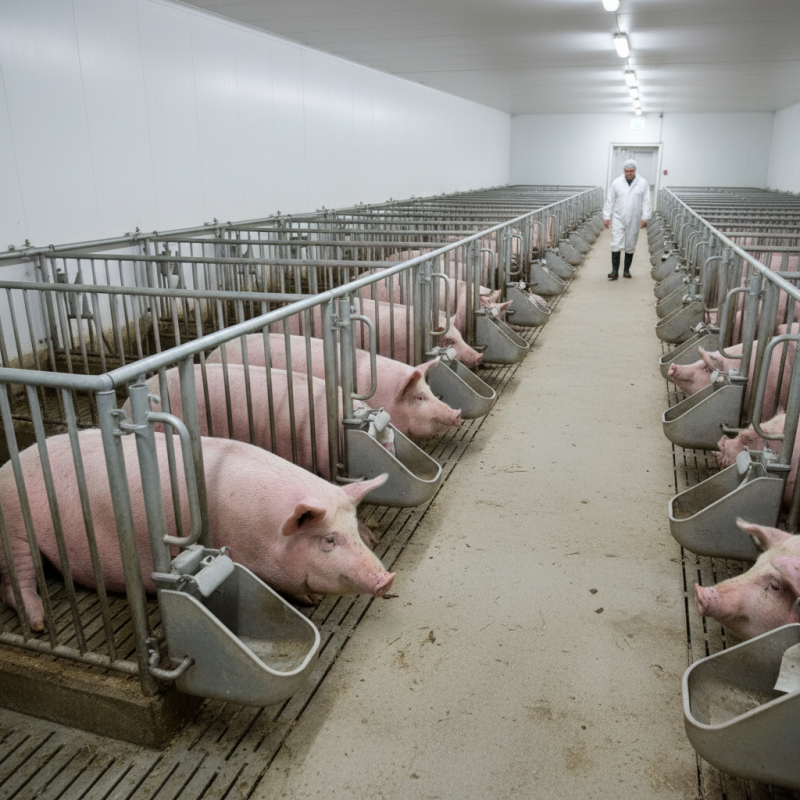
Definition and Overview of Gestation Stalls in Modern Farming
Gestation stalls are specialized enclosures for breeding sows in modern farming. These stalls restrict movement but promote health and productivity during pregnancy. Each sow has individual space, reducing stress and competition for resources. According to the American Veterinary Medical Association, proper use of stalls can lead to increased litter size and healthier piglets.
Research indicates that gestation stalls can provide a controlled environment. Temperature, feed, and health monitoring can be optimized. A 2018 study showed that farms using gestation stalls reported a 15% increase in weaning rates compared to group housing. However, the ethical implications are worth exploring. Concerns about animal welfare spark ongoing debates in the agriculture sector.
Tip: Farmers should periodically evaluate the condition of their stalls and improve where necessary. Regular health checks for sows not only enhance productivity but also ensure welfare standards are maintained. Review stall designs to facilitate better movement options in response to welfare concerns. Focusing on both productivity and ethics may lead to more sustainable farming practices.
Historical Context and Evolution of Gestation Stalls
Gestation stalls have a long history in modern farming. Initially introduced in the mid-20th century, these stalls aimed to optimize breeding efficiency. Farmers found that individual housing helped monitor sow health closely. This separation allowed for better feeding and reduced stress during the pregnancy period. According to the National Pork Producers Council, around 60% of farms used gestation stalls in the early 2000s.
Over time, the evolution of animal welfare standards influenced the use of gestation stalls. In the 2010s, critiques arose regarding the welfare implications. Research indicated that sows in group housing often exhibited better mental health. A study from the University of California highlighted that sows in social environments had reduced stress indicators. This prompted a re-evaluation of farming practices and led to gradual changes within the industry.
Despite the advantages of individual stalls, the debate continues. Producers face challenges in transitioning to group housing. There are concerns about aggression and competition among sows. The goal remains to balance efficiency and welfare. As the industry evolves, producers must reflect on these conflicting priorities to ensure responsible farming practices.
Benefits and Controversies of Using Gestation Stalls
Gestation stalls are widely used in modern farming. They provide individual spaces for pregnant sows. These stalls aim to improve breeding efficiency. Farmers argue they protect animals and enhance health. Each sow has enough room to lie down and rest. The controlled environment can reduce stress, leading to better outcomes for both animals and farmers.
However, the use of gestation stalls is controversial. Critics argue that they limit the natural behavior of pigs. Sows cannot move freely or interact with others. This confinement raises ethical questions. Animal welfare advocates suggest alternative housing systems. They believe these methods can support better health and well-being.
Many farmers feel torn about using gestation stalls. They want to balance productivity with animal welfare. The conversation around these stalls is ongoing. Growing concerns continue to shape farming practices. It's essential to explore and reflect on these complex issues. Understanding both sides can lead to better solutions in the industry.
Alternatives to Gestation Stalls in Animal Farming
Gestation stalls have long been used in the farming industry to house pregnant pigs. However, concerns about animal welfare have spurred the exploration of alternatives. Many farmers are shifting towards group housing systems. In these systems, sows can move freely and interact with each other. This approach supports natural behaviors and improves overall well-being.
Implementing group housing requires planning. Farmers should ensure sufficient space and resources. Providing adequate feeding areas and shelters is essential. This can minimize competition among the sows. It’s vital to monitor the group dynamics closely. Some sows may be aggressive, necessitating a careful introduction process.
Another option is pasture-based systems. This allows animals to engage with their environment. It also improves their physical health. However, these systems may require more land and resources. Farmers should consider their local climates, as weather can impact the feasibility.
**Tips:** Observe the behavior of the sows before transitioning. A comfortable environment fosters healthy animals. Start small and learn from any challenges. Adopting alternatives to gestation stalls takes time and effort, but it can lead to a more humane approach to farming.
Comparison of Gestation Stalls and Alternatives in Animal Farming
This chart illustrates the comparative animal welfare ratings of different farming practices, including gestation stalls and alternatives such as group housing, free range, and pasture-based systems. A higher rating indicates a better welfare standard for the animals.
Regulatory and Welfare Considerations Surrounding Gestation Stalls
Gestation stalls are a controversial topic in modern farming, particularly concerning animal welfare. These enclosures are designed to house pregnant sows. They provide a controlled environment to improve health and manage pregnancy. However, the conditions in which these animals live have raised considerable ethical questions.
Regulatory bodies are increasingly scrutinizing these practices. Many countries are enacting stricter rules on stall sizes and animal treatment. Critics argue that gestation stalls restrict natural behaviors. Animals experience stress due to limited space. This confinement may lead to health issues over time. Awareness around these conditions is growing. Consumers demand transparency about farming practices.
Farmers navigate a complex landscape of regulations and consumer expectations. They must balance productivity with welfare concerns. Some producers are transitioning to group housing systems. These systems allow greater movement and social interaction among sows. However, transitioning can be costly and logistically challenging. It's a debate that challenges the agricultural community to rethink traditional methods and strive for better welfare standards.
What is the Purpose of Gestation Stalls in Modern Farming? - Regulatory and Welfare Considerations Surrounding Gestation Stalls
| Aspect | Description | Welfare Concern | Regulatory Status |
| Space Management | Gestation stalls allow for tight control of space and management of breeding sows. | Limited movement can cause stress and affect behavioral abnormalities. | Varies by region; some areas have banned or restricted their use. |
| Health Monitoring | Easier health monitoring of individual animals, reducing disease spread. | Confinement can lead to missed opportunities for social interactions. | Subject to animal welfare audits and regulations. |
| Feed Management | Controlled feeding, leading to better nutrition management. | Obesity and health issues can arise from excessive feeding without movement. | In some areas, specific feeding standards are required. |
| Production Efficiency | Stalls can increase the overall production efficiency and lower costs. | Pressure on animals can lead to negative welfare outcomes. | Regulatory bodies are evaluating the long-term impacts on welfare. |

