How to Start a Successful Building Supply Store Business?

Starting a building supply store can be a rewarding venture. The construction industry is always growing. People need materials for various projects. This presents a great business opportunity. However, success requires careful planning. You need to understand your market.

Location is essential for a building supply store. Visibility can drive foot traffic. Think about the types of customers you want. Are they contractors or DIY homeowners? Each group has unique needs. Stocking the right inventory is crucial. Popular items may sell well, but niche products can set you apart.

Yet, it’s not easy. Many experience challenges in managing finances. Inventory management can also be difficult. Are you prepared for these potential pitfalls? Reflect on your plan regularly. Adjustments may be necessary. Embracing feedback from customers can help. Running a building supply store means continuous improvement. It's a journey, not a destination.

How to Start a Successful Building Supply Store Business?

Understanding the Building Supply Market and Its Trends

Understanding the building supply market is crucial for success. Trends show a growing demand for eco-friendly materials. Consumers want sustainable options. This shift encourages new suppliers to innovate. Staying updated on these trends can help guide product selection.

Technology is also reshaping this market. Online purchasing is increasing steadily. Customers prefer convenience. A strong online presence can attract more business. However, competing with established e-commerce platforms presents challenges. A small store might struggle to fulfill large orders efficiently.

Local partnerships can strengthen a building supply business. Collaborating with contractors and builders enhances visibility. Yet, managing these relationships requires careful communication. Misunderstandings can arise easily. Being attentive to customer feedback is key in this evolving landscape. Embracing change while addressing imperfections is vital for growth.

Identifying Your Target Audience and Niche in Building Supplies

Identifying your target audience is crucial for any building supply store. Understanding who your customers are can define your product offerings. Data shows that around 70% of construction buyers prefer to work with suppliers who understand their unique needs. This underscores the importance of catering to specific segments, like DIY enthusiasts or large construction firms.

Knowing your niche can set you apart from competitors. For example, the DIY market represents approximately 40% of sales in building supplies. Individuals tackling home improvement projects often seek convenience and quality advice. On the other hand, professional contractors frequently look for bulk purchasing options and reliability. It's important to assess the demographics in your area to match your inventory with local trends.

Not every product will resonate with every buyer. The wrong selection can lead to inventory stagnation. Understanding seasonal trends can help predict stock levels. Discussions with local contractors can provide insights into emerging needs. Marking down items that are not performing can free up resources for items with higher demand. Constantly evolving your inventory based on customer feedback is essential. In a fast-paced industry, adaptability can make a significant difference.

Creating a Comprehensive Business Plan for Your Store

Creating a comprehensive business plan for your building supply store is crucial. This document acts as the roadmap for your business. According to industry research, a well-structured plan can improve your chances of success by up to 30%. Start by outlining your target market, which commonly includes contractors, homeowners, and builders. Understand their needs and preferences to tailor your offerings. Consider demographics; 57% of contractors prefer suppliers that provide a wide range of materials.

Next, detail your product sourcing strategies. Quality is key in the building supply industry. Collaborate with suppliers who prioritize safety and sustainability. Reports indicate that 75% of consumers are willing to pay more for eco-friendly products. Building a responsible supply chain not only attracts conscious consumers but also enhances your store's reputation.

Finally, include financial projections. These must account for initial startup costs, projected sales, and operating expenses. A common pitfall is underestimating costs, which can lead to cash flow issues. Aim for realistic forecasts, acknowledging potential market fluctuations. This honest assessment will help you avoid critical mistakes in the early stages of your business. Make adjustments as needed; flexibility is a strength in the ever-evolving marketplace.

Establishing Relationships with Suppliers and Manufacturers

How to Start a Successful Building Supply Store Business?

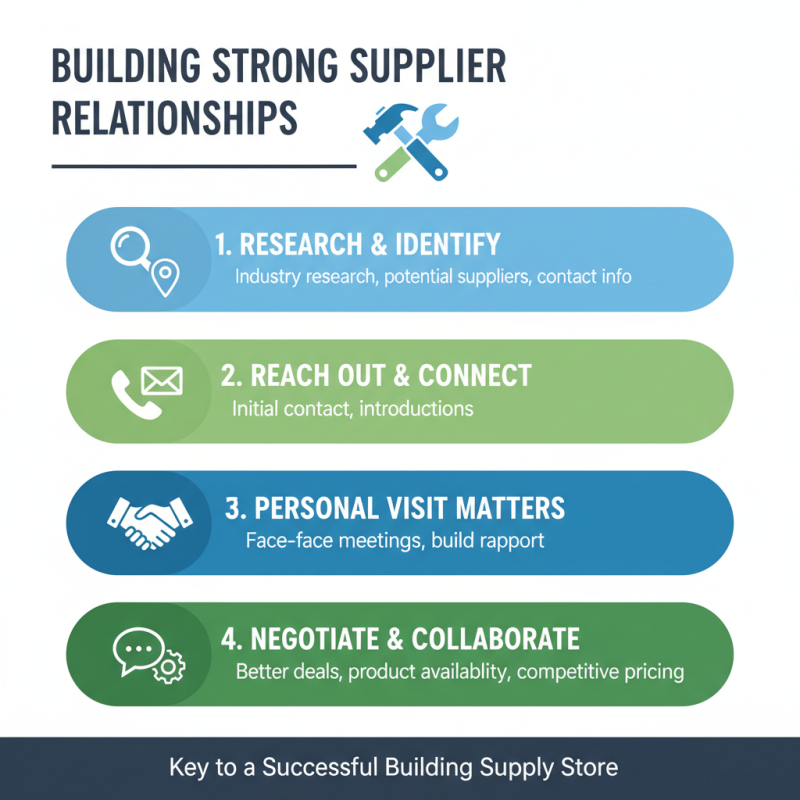
Building a successful building supply store hinges on strong relationships with suppliers and manufacturers. This connection is essential for ensuring product availability and fostering competitive pricing. Start by identifying potential suppliers through industry research. Jot down their contact information and reach out. A personal visit can make a great impression. Face-to-face meetings often lead to better deals.

Communication is key in maintaining these relationships. Be transparent about your needs and expectations. Regularly check in, even when you don’t need supplies. This can help keep your store top of mind for suppliers. Sometimes, mistakes happen. A delayed shipment can create an unexpected challenge. Address these issues promptly and professionally. Reflecting on these situations can lead to improved strategies in the future.

Consider diversifying your suppliers to reduce dependency. Approach local manufacturers who may offer unique products. This can differentiate your store from competitors. The goal is to create a balance. Some suppliers may offer lower prices but lack reliability. This trade-off requires careful thought. Regularly evaluate all your partnerships to ensure they align with your business goals.

Implementing Effective Marketing Strategies for Your Store

Effective marketing is crucial for a building supply store. According to recent industry reports, 43% of small businesses still lack a solid marketing strategy. Effective use of online platforms can change that. Establishing an engaging website is a great start. Almost 70% of consumers research online before visiting a store. Strong online presence is non-negotiable.

Social media marketing can drive local traffic. For example, utilizing Facebook or Instagram can enhance visibility and engagement. Surveys reveal that 78% of consumers trust peer recommendations on social media. Creating community-based posts or tutorials can resonate with potential customers. However, many stores fail to interact consistently on these platforms. This missed opportunity might hinder growth.

Additionally, leveraging email marketing can yield high returns. Studies indicate that email marketing generates an average ROI of $42 for every dollar spent. Yet, only 20% of small businesses invest in this strategy. Sending newsletters with valuable content can foster customer loyalty. Balancing promotional content with educational materials is essential. Reflect on which strategies resonate most with your audience, and adjust your approach accordingly.

Monthly Sales Comparisons for Building Supply Store