Top Tips for Building a Successful Shop Online?

In the digital age, building a successful shop online is critical for any business hoping to thrive. According to a report by Statista, global e-commerce sales are projected to reach over $6 trillion in 2023. This statistic underscores the immense potential of online retail. However, merely having an online presence is not enough. The competition is fierce, and understanding how to effectively build a shop is essential for success.

Creating a solid online store involves various factors. From user experience to product selection, each element plays a role. Research from Shopify indicates that nearly 70% of consumers abandon their carts during checkout. This highlights the importance of seamless navigation and easy purchasing processes. Moreover, a strong brand identity can significantly influence consumer trust. Yet, many new shop owners overlook this aspect in their haste to launch.

Reflecting on common mistakes can lead to better outcomes. For instance, inadequate customer service can tarnish a shop's reputation. Additionally, failing to optimize for mobile can alienate a vast user base. To glean insights, one must continuously analyze customer feedback and market trends. In an ever-evolving market landscape, building a shop that adapts and improves will set businesses apart in the competitive online space.

Top Tips for Building a Successful Shop Online?

Identifying Your Niche Market for Online Retail Success
Top Tips for Building a Successful Shop Online?

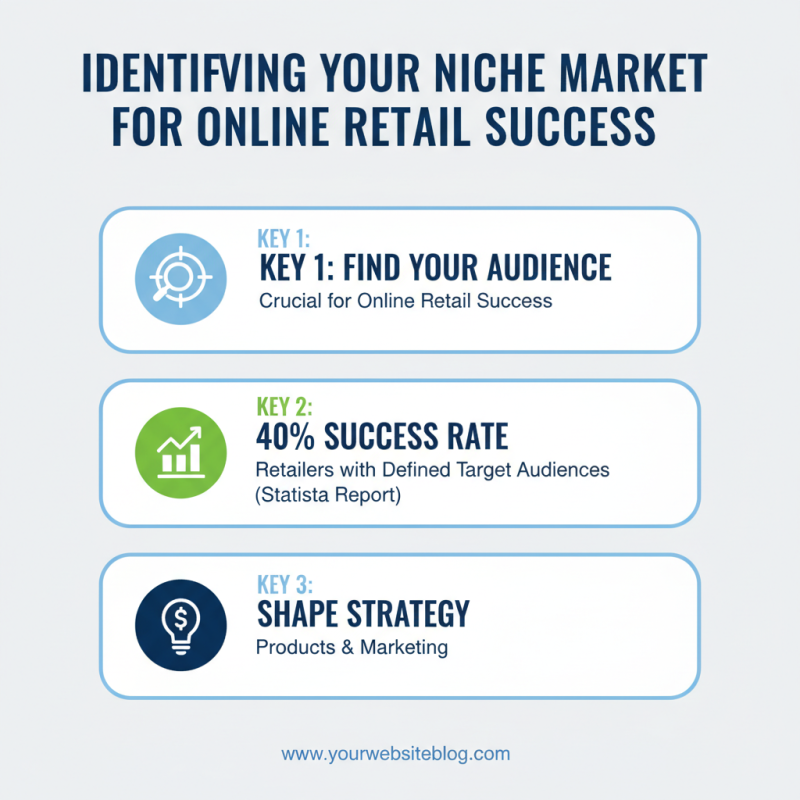
Identifying a niche market is crucial for online retail success. According to a recent report by Statista, 40% of online retailers attribute their success to a well-defined target audience. Understanding your customer can shape your product offerings and marketing strategies.

To uncover your niche, start by researching current trends. Google Trends and social media platforms can provide insights into popular topics. For instance, the rise of eco-friendly products has created a robust market segment. Brands focusing on sustainability are seeing a 25% annual growth rate, as consumers become more environmentally conscious.

Don’t overlook the importance of competition analysis. Tools like SEMrush can show competitive landscapes. Seek gaps in the market where customer needs are unmet. However, remember, just because a niche seems promising doesn't guarantee success. Regularly evaluate your strategy and adapt based on customer feedback and market shifts. The ability to pivot will keep your business relevant and ahead of the curve.

Choosing the Right E-Commerce Platform for Your Shop

Top Tips for Building a Successful Shop Online?

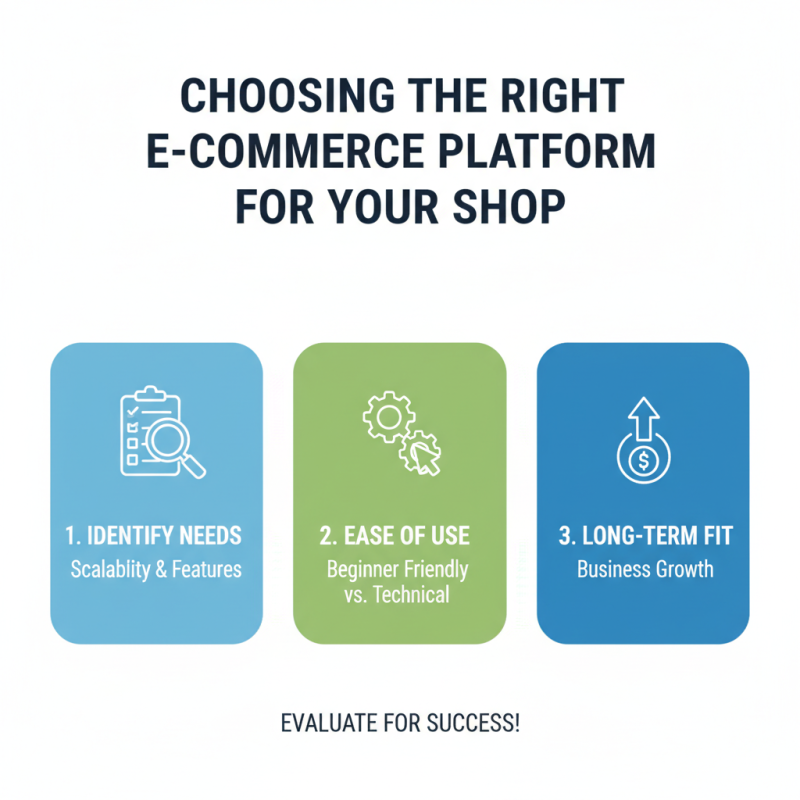
Choosing the right e-commerce platform is crucial for your online shop's success. Begin by identifying your specific needs. Consider factors such as scalability and ease of use. Some platforms are user-friendly, while others might require advanced technical skills. Always evaluate the long-term fit for your business.

When selecting an e-commerce platform, prioritize security features. Customers need to trust your site with their information. Look for platforms that offer strong SSL encryption. It’s essential for creating a secure shopping experience. Remember, a single breach can impact your reputation significantly.

Don’t overlook the importance of customer support. A good platform should provide reliable assistance. Test their support channels before making a decision. If you encounter issues down the line, having prompt help can save you valuable time. Ultimately, the platform you choose should align with your vision. Reflect on the features that will truly enhance your shop and make adjustments as necessary.

Creating an Engaging and User-Friendly Website Design

Creating an engaging and user-friendly website design is crucial for online shops. A clean layout captures attention immediately. Navigation should be intuitive. Use clear categories to help visitors find products effortlessly. High-quality images can enhance the shopping experience. Customers appreciate being able to see details up close. Consider the color scheme; it can influence purchasing decisions. Colors evoke emotions, so choose wisely.

Mobile responsiveness is another key factor. Many users shop on their phones. Ensure your website adapts seamlessly to various screen sizes. Pages should load quickly. Slow sites frustrate visitors and lead to abandoned carts. Implementing a simple checkout process can reduce the risk of cart abandonment. Streamline forms and offer guest checkout options.

It’s important to test the user experience regularly. Gather feedback from real users. What challenges do they face? Their insights can reveal hidden frustrations. A/B testing various elements can help identify what works best. Even small changes can lead to significant improvements. Remember, an engaging design is not just about aesthetics. It’s about creating a satisfying experience that encourages repeat visits.

Top Tips for Building a Successful Shop Online

Tip Description Importance Level
User-Friendly Navigation Ensure easy navigation with clear categories and search functionality. High
Responsive Design Optimize the site for mobile devices to enhance user experience. High
High-Quality Images Use clear, high-resolution images to showcase products effectively. Medium
SEO Optimization Incorporate relevant keywords to improve search engine visibility. High
Customer Reviews Allowing customer feedback can build trust and improve sales. Medium
Fast Loading Speed Optimize site performance to reduce loading times and enhance user retention. High
Secure Payment Options Offer multiple secure payment methods to cater to all users. High

Implementing Effective Marketing Strategies for Online Visibility

Building an online shop requires effective marketing strategies to enhance visibility. Many entrepreneurs overlook the importance of a well-crafted marketing plan. Without it, even the best products may go unnoticed. A structured approach helps in attracting your target audience.

Start by utilizing social media platforms. Engaging content can create a buzz around your store. Share visuals of your products in action. Use simple, clear language that resonates with potential customers. Interact with your audience regularly. This builds trust and keeps your brand top of mind.

Consider search engine optimization (SEO) as a crucial tool. Optimize your website with relevant keywords. This can improve your ranking on search engines. High visibility leads to increased organic traffic. Regularly update your content to keep it fresh and relevant, allowing for continuous engagement.

Email marketing is another effective method. Create a subscriber list interested in your offerings. Send them personalized updates about new products and sales. This not only retains existing customers but also attracts new ones. Remember, consistency is key. Testing various strategies helps identify what resonates best with your audience.

Online Marketing Strategies Effectiveness

Managing Inventory and Customer Service for Seamless Operations

Managing inventory effectively is crucial for running a successful online shop. According to a report by the National Retail Federation, retailers lose about $1.75 trillion annually due to inventory mismanagement. Keeping real-time inventory tracking can prevent stockouts and overstock situations. Use software tools that monitor stock levels automatically. This can save time and enable you to respond quickly to changes in demand.

Customer service also plays a vital role in seamless operations. A survey from Salesforce indicates that 80% of customers consider the experience they receive as important as the actual product. Responding promptly to customer inquiries can enhance satisfaction. Aim to resolve issues on the first contact. Invest in training your team. Empower them with the knowledge and tools needed to assist customers effectively.

Tip: Create a FAQ section on your website. It can reduce repetitive inquiries significantly. Some customers prefer self-service options. Another strategy is to implement chatbots for 24/7 support. However, balancing automation with human interaction is essential. Too much reliance on bots can lead to frustration. Understanding your customer base is key to finding the right mix.