10 Tips to Choose the Best Lumber Distributors for Your Project

Choosing the right lumber distributors for your project is crucial. The quality of lumber impacts both aesthetics and durability. Selecting a trustworthy distributor can be a challenge. You might think price is the only factor. However, value goes beyond just cost. It's essential to consider the source and reputation of the distributor.

Many lumber distributors claim to provide the best quality. But how do you determine which one is truly reliable? Look for those with good reviews and a solid track record. Reputation matters in this industry. Ask for samples before committing. Understanding wood types will also aid in your decision. This task can be overwhelming, yet it is necessary.

Balancing between budget and quality is often difficult. Some may prioritize low prices over reliable service. This might lead to regrets later. Take your time to weigh your options. The right distributor can make a significant difference. Investing in quality lumber is investing in the longevity of your project.

10 Tips to Choose the Best Lumber Distributors for Your Project

Understanding Your Project Requirements for Lumber Selection

Understanding your project requirements is key when selecting lumber. Consider the type of project you are undertaking. Is it a structural build or a decorative feature? Different projects call for different types of wood. For instance, hardwood may be ideal for furniture. Softwood might be better for framing.

Think about the dimensions and quantities you need. Specific measurements can dictate your choice of distributor. Some may not carry the sizes you require. Reflect on the properties of the lumber as well. Will it be exposed to moisture? If so, treated wood may be necessary. Be aware of the potential for warping or splitting.

Budget constraints play a vital role too. Cheaper options might save money upfront but could lead to greater expenses later. Quality and durability often come with a higher price. Ensure you balance cost and longevity in your selection. It's a tricky balancing act. Take your time to assess your needs thoroughly before making a decision. It’s easy to rush and regret.

Researching Potential Lumber Distributors in Your Area

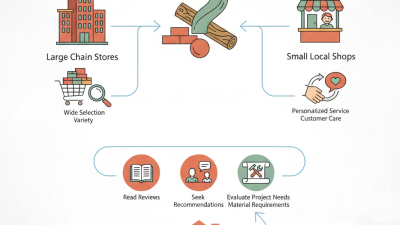
When searching for lumber distributors, start by researching local options. A simple online search can help identify potential suppliers. Explore their websites and read customer reviews. Don't rely solely on ratings; pay attention to specific experiences.

Ask friends and neighbors for recommendations. Personal referrals often lead to trustworthy suppliers. Visit yards and buildings in your area to check out the lumber being used. Observe the quality and type of wood. This can give you insight into the distributors’ offerings.

Consider your project’s specific needs. Are you looking for softwood, hardwood, or specialty wood? Some distributors may focus on certain types. Additionally, inquire about minimum order quantities. Some may require high volume, while others are flexible. Remember, a distributor should align with your vision and requirements.

Top Considerations When Choosing Lumber Distributors

Evaluating Distributor Credentials and Experience in the Industry

When selecting lumber distributors, it's crucial to evaluate their credentials. Look for distributors with industry certifications. These certifications indicate a commitment to quality and reliability. Not all distributors showcase their qualifications clearly. Some may lack important licenses or memberships, which can raise red flags.

Experience is another key factor. Distributors with years in the industry often understand market trends better. They tend to have stronger relationships with lumber mills and suppliers. Ask for their history and notable projects. You might be surprised by their previous work—or lack thereof.

Trust your instincts when visiting a distributor. Do they seem knowledgeable? Are they responsive to your questions? A lack of communication can signal issues ahead. Don’t hesitate to seek references from past clients. These insights can help verify the distributor's reputation. Reflect on these details before making a decision, as the right choice supports your project's success.

10 Tips to Choose the Best Lumber Distributors for Your Project

Criteria Evaluation Factors Importance Level Notes
Experience in Industry Years of operation High Look for distributors with over 10 years of experience.
Product Range Variety of lumber types and sizes Medium Ensure they offer a wide selection for diverse projects.
Quality Certifications Certifications like FSC, PEFC High Certifications indicate responsible sourcing and quality.
Customer Reviews Feedback from past clients Medium Check online platforms for ratings and reviews.
Delivery Options Local vs. national delivery Medium Consider distributors that offer reliable delivery schedules.
Pricing Transparency Clear breakdown of costs High Avoid hidden fees to maintain your budget.
Customer Support Accessibility and responsiveness High Strong support can help resolve issues quickly.
Sustainability Practices Eco-friendly sourcing and business practices Medium Look for commitments to sustainability.
Industry Partnerships Affiliations with reputable organizations Medium Partnerships can enhance credibility.
Warranty and Return Policy Terms for returns or defective products High A good policy protects your investment.

Comparing Pricing and Quality of Lumber Offerings

10 Tips to Choose the Best Lumber Distributors for Your Project

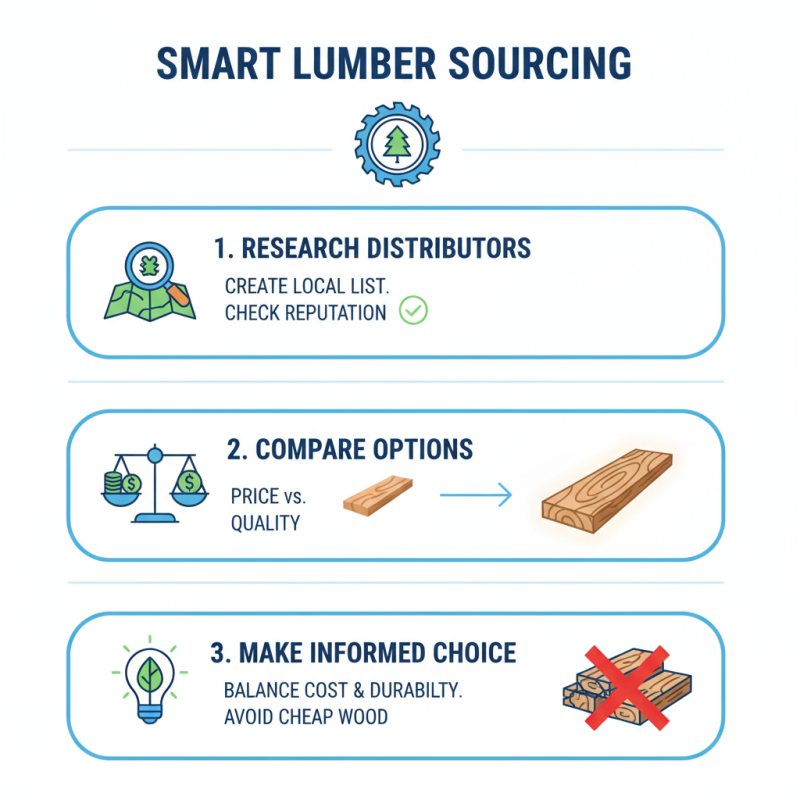
When selecting lumber distributors for your project, comparing pricing and quality is crucial. Start by creating a list of potential distributors in your area. Look for those with a solid reputation. You may find that lower prices often mean lower quality wood.

Tip: Request samples from various distributors. This gives you a tangible sense of the wood’s quality. Look closely at the grain and knots. A few imperfections should raise red flags. Don't compromise on quality for the sake of saving money.

Another tip is to compare the pricing of similar types of wood across different distributors. Different types, such as hardwood and softwood, can vary greatly in cost. Ensure you are making like-for-like comparisons. It’s also wise to read reviews or ask for recommendations. Past experiences can highlight hidden costs. If a distributor doesn’t have transparent pricing, consider that a warning sign.

Assessing Customer Service and Delivery Options from Distributors

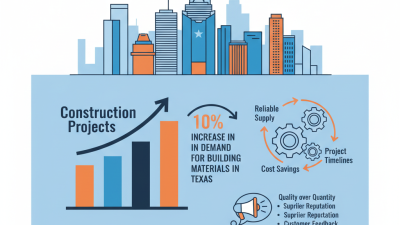
When selecting a lumber distributor, service and delivery options are critical. According to a recent industry report, 73% of construction professionals emphasize timely delivery as a key factor in choosing suppliers. Delays can derail projects, increase costs, and lower morale. Thus, ensuring a reliable distributor is paramount for project success.

Evaluate the customer service offered by distributors. Effective communication should be a priority. You should feel comfortable reaching out with questions or concerns. A distributor with responsive support can alleviate potential problems. If a distributor does not respond promptly, it might hint at larger issues.

Look into their delivery capabilities. Some distributors have limited routes or schedules. This could lead to delays in receiving materials when needed. Reports indicate that projects often run over budget due to unforeseen delivery issues. Choose a distributor that offers flexible options. Confirm their capacity to meet your project timelines. Having this clarity will help in maintaining project schedules.

Also, consider the returns policy. A transparent policy can save you headaches. Some distributors may not take back unused lumber, leaving you with excess materials. This could be costly. A company with a flexible return policy shows confidence in its products and a commitment to customer satisfaction.