What Are the Top 10 Building Supply Store Choices?
Choosing the right building supply store can shape an entire renovation, from the first sketch to the final coat of paint. Price matters, but it is only one part of the decision.
A dependable store should offer consistent stock, clear product information, practical delivery options, and staff who understand construction needs. Look for neatly labeled lumber, dry cement bags, undamaged drywall, and plumbing fittings that match local standards. Small details often reveal larger habits.
Veteran home-improvement host and builder Bob Vila has repeatedly shared the practical reminder, “Measure twice, cut once.” That advice belongs in every building supply store comparison. Accurate measurements reduce waste, returns, delays, and unnecessary costs.
This guide examines ten leading store choices for homeowners, contractors, and property managers. Each option is considered through product range, pricing, service quality, availability, and customer support. Some stores excel at bulk materials. Others are better for specialty tools, urgent repairs, or online ordering.
No store is perfect.
A convenient location may have limited inventory. A low price may hide weaker support or slower delivery. Even highly rated retailers can disappoint during seasonal demand. That is worth admitting.
The strongest choice depends on your project size, budget, timeline, and technical confidence. A professional builder may prioritize contractor accounts and reliable deliveries. A first-time renovator may value patient guidance more than the lowest shelf price. These ten building supply store choices provide a practical starting point, not a universal answer. Check current stock, return policies, delivery fees, and product condition before committing.
Defining Building Supply Stores and Their Role in Construction
Building supply stores are practical links between manufacturers, contractors, and construction sites. They sell structural timber, cement products, insulation, fasteners, tools, and safety equipment. More importantly, they coordinate availability, delivery, technical guidance, and product returns when plans change.
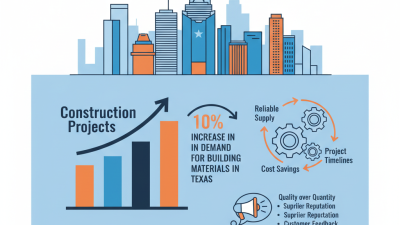
Their role has grown with construction demand. The U.S. Census Bureau reported approximately $2.15 trillion in total construction spending during 2024. That volume creates constant pressure on supply reliability. A delayed shipment can leave workers waiting beside an unfinished wall. A knowledgeable counter specialist may prevent a costly material mistake. The National Association of Home Builders reported an average new-home construction cost of about $428,215 in its 2024 cost survey. Material decisions therefore affect budgets, schedules, and long-term performance.
When comparing the top 10 building supply store choices, buyers should examine stock depth, delivery coverage, contractor pricing, return rules, and product documentation. Moisture-resistant boards should arrive wrapped, not softened at the edges. Fasteners need clear grade information. Concrete products require dependable delivery windows. These details show whether a store supports real construction work or merely displays products. Price alone is a weak measure. I have seen inexpensive materials create extra cutting, waste, and labor. Still, store ratings are not perfect evidence; regional service can vary sharply. The best choice depends on project scale, local climate, trade expertise, and the store’s willingness to solve problems after the sale.
What Are the Top 10 Building Supply Store Choices?
Defining Building Supply Stores and Their Role in Construction
Building supply stores support construction by providing essential materials, tools, equipment, and project services. This benchmark ranks ten commonly purchased supply categories by their practical importance across residential and commercial construction projects. Structural materials and installation products receive the highest scores because they directly affect project safety, durability, and completion.
The index uses a 100-point procurement-priority scale based on project frequency, construction impact, and purchasing relevance; it is not a ranking of individual companies or brands.
Key Criteria for Comparing Building Supply Store Choices
Choosing among the top 10 building supply stores requires more than comparing advertised prices. A practical scorecard should examine product availability, material quality, delivery accuracy, technical advice, return policies, and price transparency. The U.S. Census Bureau reported construction spending above $2 trillion in 2024, showing how small purchasing errors can become expensive across active projects. Ask whether common items are physically available, not merely listed online. A delayed delivery can stop a crew for an entire day.
Professional support also matters. The Associated General Contractors’ 2025 outlook identified labor availability and material costs as continuing industry concerns. A dependable store should provide clear specifications, realistic lead times, and staff who understand installation requirements. Compare delivery fees, minimum order rules, credit terms, and damage procedures. Check sustainability information carefully. Claims without documented sourcing deserve caution.
Convenience is useful, but it should not dominate the ranking. The Home Improvement Research Institute continues to track strong consumer demand for repair and improvement materials, increasing pressure on stores to offer accurate digital inventory. My own comparison would assign separate scores for local stock, online accuracy, service response, and after-sales support. No scorecard is perfect. Weather, regional pricing, and project scale can change the result. A store that suits a weekend repair may perform poorly on a multi-phase commercial order. Request a written quote, test one delivery, and record what actually happened. Small details reveal more than polished promises.
Top 10 Building Supply Store Choices by Product Range and Service
The top 10 building supply store choices depend on product range and service, not appearance alone. A full-service builders’ merchant offers timber, sheet materials, insulation, fixings, and delivery. A specialist lumber yard provides better grading advice and straighter structural boards. A hardware store suits urgent repairs and small fittings. A plumbing supplier handles pipes, valves, drains, and tested connections. An electrical supplier offers cables, switches, conduit, and technical guidance.
A roofing supplier is valuable for tiles, membranes, flashing, and weatherproofing accessories. A flooring and tile store provides samples, adhesives, trims, and layout support. A landscaping supplier covers paving, aggregates, drainage channels, and outdoor materials. A tool and equipment rental store reduces costs for short projects. A reclaimed-materials yard can supply doors, bricks, timber, and distinctive finishes. Stock changes often, though, so availability should be confirmed before planning.
From practical purchasing experience, reliable service means more than fast checkout. Staff should explain product compatibility, provide clear specifications, and identify safer alternatives. Delivery vehicles must reach the site without damaging gates or finished surfaces. Written quotations, transparent returns, and properly stored materials also matter. I have chosen a cheaper supplier before and lost time correcting missing components. That mistake still influences my checklist. Product range matters, but accurate advice can prevent a costly second trip. Ask about lead times. Measure twice. Loose estimates cause problems.
What Are the Top 10 Building Supply Store Choices? — Top 10 Building Supply Store Choices by Product Range and Service
| Rank |
Anonymous Store Choice |
Product Range
Score / 5 |
Core Product
Groups |
Professional
Support |
Delivery
Options |
Online Stock
Visibility |
Trade Account
Support |
Returns
Flexibility |
Overall
Score / 5 |
| 1 |
Full-Line Building Warehouse |
5.0 |
12 |
Project adviceTrade desk |
StandardScheduledExpress |
High |
Yes |
High |
4.8 |
| 2 |
Contractor-Focused Supply Center |
4.8 |
10 |
EstimatingTrade desk |
ScheduledJobsite |
High |
Yes |
Medium |
4.7 |
| 3 |
Regional Home-Improvement Center |
4.6 |
11 |
Project adviceInstallation referrals |
StandardScheduled |
High |
Limited |
High |
4.5 |
| 4 |
Local Multi-Trade Merchant |
4.3 |
9 |
Counter serviceMaterial advice |
ScheduledJobsite |
Medium |
Yes |
Medium |
4.3 |
| 5 |
Timber and Structural Materials Specialist |
4.1 |
7 |
Cut-to-sizeTechnical advice |
ScheduledBulk delivery |
Medium |
Yes |
Medium |
4.2 |
| 6 |
Plumbing and Electrical Supply Counter |
3.9 |
6 |
Technical adviceParts lookup |
StandardScheduled |
Medium |
Yes |
Medium |
4.0 |
| 7 |
Finishes and Interior Materials Outlet |
3.8 |
8 |
Design adviceSamples |
StandardScheduled |
Medium |
Limited |
High |
3.9 |
| 8 |
Landscaping and Outdoor Materials Depot |
3.7 |
7 |
Material adviceBulk planning |
ScheduledBulk delivery |
Medium |
Limited |
Medium |
3.8 |
| 9 |
Fast-Delivery Urban Supply Store |
3.5 |
6 |
Counter serviceOrder support |
Same-dayExpress |
High |
Limited |
Medium |
3.7 |
| 10 |
Specialty Restoration Materials Store |
3.3 |
5 |
Technical adviceProduct matching |
StandardSpecial order |
Low |
Limited |
Medium |
3.5 |
Evaluation note: Product groups include common construction categories such as structural materials, timber, tools, plumbing, electrical, hardware, insulation, roofing, concrete, finishes, landscaping, and safety supplies. Overall scores use a five-point comparative index weighted toward product breadth, stock visibility, delivery capability, professional support, trade services, and returns flexibility.
How to Select the Best Store for Different Construction Needs
What Are the Top 10 Building Supply Store Choices?
Selecting the right building supply store depends on your project, not just the nearest address. For general repairs, a neighborhood hardware store often provides fast advice and small quantities. A lumber yard suits framing, decking, and structural materials. Large warehouse stores offer broad inventory and convenient pickup. Specialty electrical, plumbing, roofing, masonry, flooring, paint, and landscaping suppliers serve more technical needs. Reclaimed-material outlets can also support character-rich renovations, but measurements and quality require careful checking.
I have found that experienced staff can prevent expensive mistakes, especially when plans change on site. Ask whether materials are graded, stored properly, and available in matching batches. Confirm delivery limits, return policies, cutting services, and estimated lead times before paying. A professional counterperson should explain product differences without pressuring you. Still, advice is not always perfect. I once trusted a quick estimate and ordered too little trim, creating an avoidable delay.
Tips: Bring measurements, drawings, photos, and a written material list. Compare unit prices, not package prices. Check boards for warping, moisture damage, or splits. For electrical and plumbing items, verify compatibility with your local requirements and project specifications. Choose a supplier that documents product information and communicates clearly when stock changes. Keep receipts and delivery records. A slightly higher price may be worthwhile when accuracy, dependable transport, and responsive support matter more than speed. Painters need consistent color batches, while masons need compatible mixes and weather guidance. The best store is the one that fits the work.
Factors That Affect Store Pricing, Availability, and Customer Support
Choosing among the top ten building supply store options requires more than comparing shelf prices.
Prices move. Lumber, fuel, labor, freight, and regional demand all influence the final invoice. The National Association of Home Builders’ 2024 Cost of Constructing a Home survey reported that construction represented 64.4% of a home’s final sales price. Therefore, a modest material difference can reshape a project budget.
Compare identical specifications, delivered prices, taxes, and quote expiration dates. A cheaper product may include pallet fees or distant delivery charges.
Availability is operational, not promotional.
The Associated General Contractors’ 2024 Workforce Survey reported that 94% of contractors struggled to fill craft positions. Labor shortages can delay receiving, cutting, loading, and delivery.
Check physical stock instead of trusting a website badge. Confirm quantities, batch consistency, pickup windows, and replenishment dates. The U.S. Census Bureau’s Manufacturers’ Shipments, Inventories, and Orders report also helps explain broader supply pressure.
Falling inventories may signal future local shortages. Test one small order first. It feels slower.
Customer support should be measured like a job specification.
Ask for one accountable contact, escalation rules, damage-claim procedures, return limits, and delivery proof. Record response times.
A polished counter is not proof of technical expertise. Even experienced buyers misread substitutions or overlook accessory shortages. That weakness matters. A reliable store explains compatibility, documents changes, and admits uncertainty before materials reach the jobsite.