
Top Angled Hedge Trimmer for Global Buyers in 2026?

In the world of gardening, the Angled Hedge Trimmer has gained popularity among enthusiasts and professionals alike. This tool offers precision and control that is essential for shaping hedges and shrubs effectively. As we approach 2026, global buyers are increasingly seeking reliable and efficient options for their gardening needs.

Considering the various models available, it’s vital to evaluate their practicality and design. A well-designed Angled Hedge Trimmer can make trimming tasks easier. However, not all products excel in performance. Users often experience frustration with less effective models that don’t deliver the expected results. Finding a balance between functionality and comfort is key.

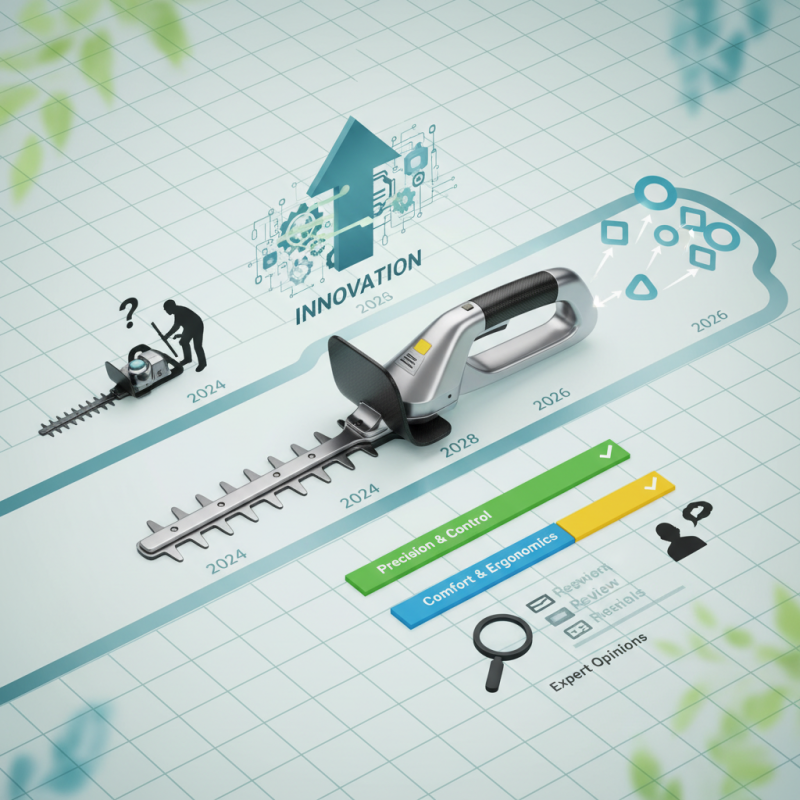
Innovation plays a significant role in this market. The best trimmers incorporate lightweight materials and ergonomic designs. These elements enhance usability and reduce fatigue during extended use. Nevertheless, potential buyers should be cautious. Some brands might compromise durability for lighter weights. In this evolving landscape, staying informed about product reviews and expert opinions is crucial for making the right choice.
Top Angled Hedge Trimmer for Global Buyers in 2026?

Top Features to Look for in a Hedge Trimmer for Global Markets

When choosing a hedge trimmer for global markets, certain features stand out. One essential aspect is the blade design. A dual-action blade can reduce vibration, enhancing user comfort during prolonged use. Length matters too; longer blades can handle wide hedges efficiently, but they may be harder to maneuver.

Another critical feature is the weight of the trimmer. A lightweight model makes it easy to use over extended periods, while heavier models may offer enhanced power. Balancing these aspects is crucial.

Consider the safety features. A blade guard and safety lock are vital as they prevent accidental starts. Ergonomic handles help maintain comfort, reducing strain on your hands.

Tips: Always try to test the trimmer before purchase. Check if the weight feels manageable for you. Remember to read user reviews to learn about real-world performance. You may discover aspects you hadn't considered initially. It’s helpful to reflect on your gardening needs, ensuring you choose the right tool for the job.

Analysis of the Leading Hedge Trimmer Brands in 2026

As we approach 2026, the demand for top-angled hedge trimmers is expected to rise. These tools are essential for maintaining clean edges in landscaping. Many brands are enhancing their offerings with innovative features. Ergonomics play a crucial role. Properly designed handles can reduce fatigue during extended use.

When selecting a hedge trimmer, consider the blade length. Longer blades cover more area but may be harder to control. Aim for a balance between reach and maneuverability. Weight is another factor. A lighter trimmer might be easier to handle. However, it should still remain durable.

Tips: Regular maintenance is key for optimal performance. Keep the blades sharp to ensure clean cuts. Look for products that offer reliable customer support. That way, you can address any issues promptly. While many brands claim quality, user experiences can vary. Reading reviews can help you identify products worth trying. Always reflect on your specific needs before making a purchase.

Environmental Impact and Sustainability in Hedge Trimmer Development

As the demand for efficient gardening tools grows, the focus on sustainability is crucial. Hedge trimmers, essential for maintaining outdoor spaces, are evolving to meet environmental standards. New materials in their production aim to reduce carbon footprints and enhance recyclability. This shift reflects a deeper consciousness within the industry. Manufacturers are now embracing eco-friendly options that minimize waste.

Reducing energy consumption plays a vital role in the development of these trimmers. Battery-operated models are gaining popularity. They produce less noise and use renewable energy sources. Yet, the challenge remains: can the industry guarantee that all components are sustainably sourced? Often, these claims lack transparency. Buyers should seek products with clear sustainability certifications.

To create a lasting impact, consumer awareness is key. It influences manufacturers to adopt environmentally responsible practices. However, not all companies prioritize sustainability. Some might use misleading marketing tactics. Selecting a hedge trimmer requires careful consideration. Checking for authentic sustainable claims can shape a better future for gardening tools. The journey toward sustainability isn't perfect, but each step matters in reducing environmental impact.

Consumer Preferences and Trends in Hedge Trimmer Designs Worldwide

In 2026, hedge trimmer designs are evolving to meet diverse consumer preferences worldwide. Users seek lightweight options, reducing fatigue during prolonged use. Ergonomic handles have become essential for those trimming in tight spaces or elevated areas. Safety features are now prioritized, as consumers want peace of mind while handling sharp blades.

Environmentally-friendly models are gaining traction. Battery-powered hedge trimmers are more popular, appealing to eco-conscious buyers. Users appreciate lower emissions and quieter operation. However, the trade-off often lies in battery life and charging times. Some buyers express frustration with the limitations of electric models in tough conditions.

Many consumers value adaptability. Models that offer adjustable angles allow for versatile trimming without excessive bending. Yet, there’s inconsistency in the ease of use across brands. Factors like weight distribution and blade quality play a crucial role in performance, impacting user experience. As trends shift, manufacturers must consider these reflections to design effective tools.

Future Innovations in Hedge Trimmer Technology and User Experience

The hedge trimmer industry is on the brink of significant advancements by 2026. Emerging technologies are set to reshape user experiences. A recent report by MarketsandMarkets predicts a compound annual growth rate of 5.7% in this market segment. Such growth opens doors to innovative features that enhance usability and efficiency.

Battery-powered models, for instance, are becoming increasingly popular. These models reduce noise and improve maneuverability. Users are seeking tools that provide comfort during extended use. Ergonomic designs will play a crucial role in meeting these needs. Smart technology integration is another area generating interest. Users may soon control their equipment via smartphone apps, adjusting settings in real-time.

Despite these advancements, some concerns remain. Not every user understands how to utilize these innovations. Training and support will be essential. Additionally, issues of battery longevity and maintenance often arise in discussions. The industry must address these shortcomings to ensure a seamless user experience. Enhanced communication about proper usage can mitigate such challenges. The future points toward exciting innovations, but reflection and deliberate action are needed.