Top 10 Geotextile Fabric Benefits for Global Buyers?
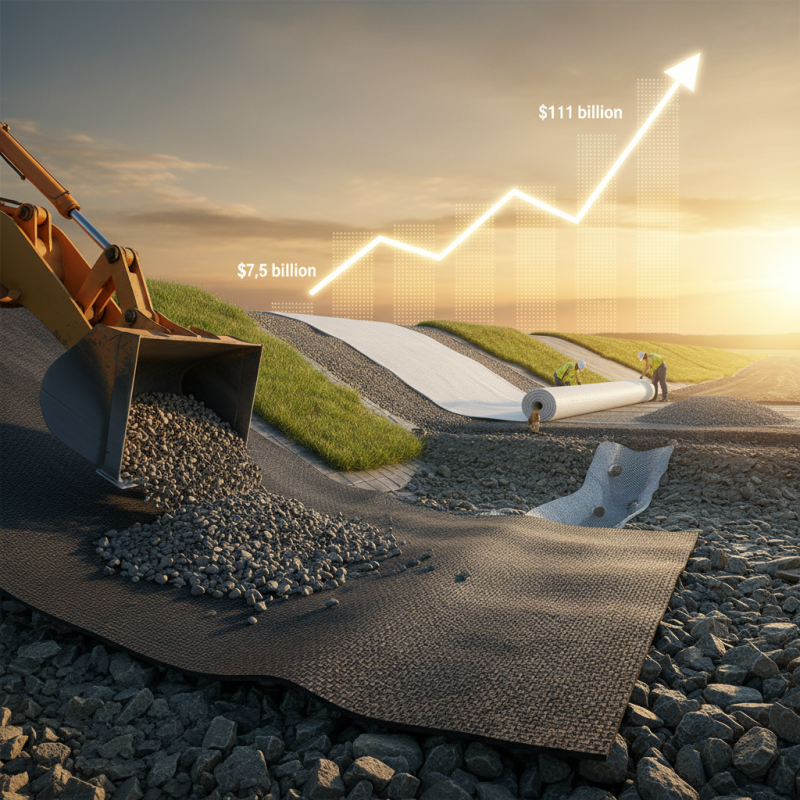
Geotextile Fabric has gained immense traction in the construction and landscaping industries. According to a recent report by ResearchAndMarkets, the global geotextiles market is projected to grow from $7.5 billion in 2022 to over $11 billion by 2027. This growth underscores the increasing reliance on geotextile fabric for various applications such as erosion control, road construction, and land reclamation.
The benefits of geotextile fabric are diverse, reflecting its versatility and efficiency. It enhances soil stability, reduces erosion, and improves drainage systems. Additionally, geotextile fabric offers cost-effective solutions, potentially saving projects both time and money. Despite its advantages, some buyers might overlook specific challenges, such as proper installation and material compatibility.
Understanding the nuances of geotextile fabric is crucial. Buyers should ensure they are informed about the different types and their specific applications. By recognizing these aspects, they can better navigate the decision-making process. The growing demand for sustainable construction solutions adds further significance to geotextile fabric's role in shaping future projects.
Top 10 Geotextile Fabric Benefits for Global Buyers
Geotextile fabrics have become essential in various construction and agricultural applications. They provide excellent drainage, helping prevent soil erosion. According to a 2022 global market report, the geotextile market is expected to reach USD 16.8 billion by 2025. This growth is driven by increased infrastructure projects and environmental concerns.
One significant benefit of geotextiles is their ability to improve soil stability. They separate soil layers and reduce mixing, enhancing load-bearing capacity. This feature is critical for road construction and retaining walls. In flood-prone areas, geotextiles contribute to effective water management. They allow water to pass through while retaining soil particles, reducing the risk of erosion.
Moreover, geotextiles are lightweight and easy to install, yet they often go unnoticed. They can last decades, with proper selection. However, the material's performance largely depends on the environment. Factors such as UV exposure and moisture levels can impact durability. Buyers must consider these elements carefully.
Understanding Geotextiles: Definition and Types
Geotextiles are versatile fabrics used in civil engineering and environmental projects. They are designed to enhance soil performance and provide stability in various applications. The two main types of geotextiles are woven and non-woven. Woven geotextiles are made from long fibers intertwined to create a strong, durable fabric. Non-woven geotextiles, on the other hand, are produced by bonding fibers together, offering excellent drainage and filtration properties.
Understanding these types is crucial for global buyers. Woven varieties often excel in load distribution, making them suitable for road construction. In contrast, non-woven geotextiles are better for drainage and erosion control. The choice between these two depends on project requirements, soil type, and environmental conditions.
Purchasing geotextiles involves challenges. Not all suppliers guarantee the same quality. Buyers must consider the fabric's durability and effectiveness based on the intended use. It’s essential to evaluate multiple products. Test results and certifications can guide the selection process. However, some claims may be overstated. Ensuring reliability requires careful research and informed decisions. Understanding geotextiles types allows buyers to make better choices for their projects.
Enhancing Soil Stability: The Role of Geotextiles in Civil Engineering
Geotextiles play a crucial role in civil engineering, particularly in enhancing soil stability. These materials are designed to improve the performance of soil in various applications. When used properly, they can prevent erosion, promote drainage, and provide support to the soil structure. By doing so, they help maintain the integrity of roads, slopes, and foundations.
One significant aspect is their ability to reinforce soil layers. This reinforcement can lead to longer-lasting constructions. It’s essential to select the right type of geotextile for specific projects. Not all geotextiles serve the same purpose; some are better suited for drainage while others excel in soil stabilization. Testing and analysis are vital. Missteps can lead to inadequate performance or increased costs.
While the benefits are numerous, challenges exist. Geotextile installation requires careful planning and expertise. Improper installation can negate the advantages. Projects must consider environmental conditions and soil types to ensure effectiveness. It’s a learning curve that requires ongoing assessment and adaptation. Continuous education and experience sharing among professionals can mitigate these risks.
Cost-Effectiveness: Long-Term Savings from Geotextile Usage
Geotextiles play a crucial role in construction and civil engineering, providing cost-effective solutions. According to a report by MarketsandMarkets, the global geotextile market is projected to reach $11.7 billion by 2025. This growth is largely attributed to the long-term savings that these materials can offer to buyers worldwide. By reducing maintenance costs, geotextiles create durable structures that withstand environmental stressors effectively.
Using geotextiles can reduce site preparation expenses significantly. The right fabric assists in soil stabilization, minimizing erosion and the need for extensive drainage systems. In some cases, the initial investment in geotextiles may seem high. However, studies indicate that businesses can achieve a return on investment within a year through lower maintenance needs.
Tip: Always analyze project specifics when choosing geotextile fabrics. Different applications may require unique material properties. Regular assessments of soil conditions can guide decisions, influencing both performance and cost-effectiveness.
The use of geotextiles also lowers the risk of project delays. By improving site efficiency, these fabrics enable smoother construction processes. Yet, it’s important to remain vigilant. Incorrect installation can negate cost benefits, leading to more expenses down the line. Ensuring proper training and awareness among workers can mitigate this risk effectively.
Tip: Invest in training for installation teams. Knowledgeable staff can enhance project quality, ultimately saving costs. Regularly updating skills ensures best practices are followed.
Environmental Impact: Sustainable Practices with Geotextile Fabrics
Geotextile fabrics play a vital role in sustainable construction and environmental protection. Research indicates that these materials can reduce the need for conventional soil stabilization methods by 30%. This decline means fewer resources and lower carbon footprints during project execution. Geotextile fabrics are manufactured from recycled materials, promoting a circular economy that minimizes waste. Their durability often extends the lifespan of construction projects, reducing the frequency of repairs and replacements.
In recent studies, using geotextiles in various applications has shown a 15% increase in erosion control efficacy. This is critical as erosion can lead to severe soil degradation and habitat loss. Moreover, geotextiles enhance water drainage, maintaining healthier ecosystems. However, it's essential to weigh the environmental implications of their production and disposal. Over-reliance on non-biodegradable forms can lead to pollution.
Tip: Always opt for geotextiles made from organic or recycled materials. Consider their end-of-life solutions to mitigate potential waste. Engage with suppliers focused on sustainability to enhance your project's environmental goals.
Implementing geotextiles in landscape applications can reduce water runoff by up to 20%. This approach helps maintain local water tables and supports surrounding flora. Nonetheless, it’s crucial to monitor their impact and adjust use based on local climatic conditions. Understanding how these fabrics interact with the environment aids in making informed decisions.
Top 10 Geotextile Fabric Benefits for Global Buyers
Conclusion
Geotextile fabric is increasingly recognized for its diverse applications and significant benefits across various industries, particularly in civil engineering. Understanding geotextiles, which include different types and functions, is crucial for global buyers looking to enhance soil stability in construction projects. The use of geotextile fabrics leads to cost-effectiveness by offering long-term savings through improved durability and reduced maintenance needs.
Moreover, geotextile fabrics support sustainable practices, positively impacting the environment by minimizing soil erosion and promoting effective drainage. With applications ranging from construction to landscaping, the versatility of geotextile fabric makes it an essential material for anyone involved in infrastructure development, ensuring reliability and efficiency in various settings.

