Top 10 Lumber Yards for Global Buyers in 2026?

As the global demand for sustainable materials rises, lumber yards are pivotal in meeting these needs. By 2026, the role of these suppliers will evolve. Buyers must navigate not only quality but also sustainability and reliability.

Finding the right lumber yards ensures access to premium wood products. This access influences various industries, from construction to furniture making. Quality lumber is critical for durability and aesthetics. Top suppliers will focus on eco-friendly practices, driven by regulatory pressures and consumer preferences.

However, the question arises: how do we identify the best lumber yards? Researching their sourcing, quality certifications, and customer service is essential. Potential buyers must reflect on past experiences and weigh the importance of local versus global suppliers. In an ever-changing market, staying informed about industry trends will be key.
Top 10 Lumber Yards for Global Buyers in 2026?

Top Factors Influencing Lumber Yard Selection for Global Buyers in 2026

When selecting a lumber yard, buyers should consider various factors. Quality of materials is crucial. Buyers need durable wood that meets specific requirements. Sustainable sourcing practices are also important. Buyers increasingly value environmentally friendly options. This commitment to sustainability can influence reputations.

Transportation logistics cannot be overlooked. Efficiency in shipping can affect timelines and costs. Buyers often seek lumber yards with strategic locations. Proximity can reduce delays and lower transport expenses. However, some yards may lack flexibility in shipping options. This can create challenges for global buyers.

Pricing strategies play a significant role. Buyers must evaluate cost structures and potential hidden fees. A transparent pricing model builds trust. However, some yards may seem less open about pricing. This can lead to confusion and dissatisfaction. Overall, buyers must stay informed and vigilant in their decisions.

Key Geographic Regions for Sourcing Quality Lumber Worldwide

When sourcing quality lumber globally, understanding key geographic regions is crucial. North America and Europe have long been dominant suppliers. The Canadian lumber industry, valued at approximately $12 billion in 2023, highlights the significance of sustainable forestry practices. Forest management programs ensure a renewable supply of high-quality timber, which is vital for global buyers.

In South America, Brazil stands out with abundant hardwood species. The market for tropical hardwoods is growing, with an estimated increase in exports by 15% in the next few years. However, environmental concerns are a challenge. Buyers must consider sustainability when sourcing from this region to avoid contributing to deforestation.

Tips for sourcing lumber:

  • Investigate local regulations on forestry.
  • Build relationships with suppliers who prioritize sustainability.
  • Always request certifications to ensure the quality and legality of the timber.

As Asian markets evolve, countries like Vietnam are emerging players. Their advancements in processing technology improve lumber quality. Yet, challenges like fluctuating prices remain. Buyers should remain cautious, balancing cost with quality and sustainability.

Emerging Trends in Sustainable Lumber Practices Among Top Lumber Yards

The lumber industry is experiencing a shift towards sustainable practices, reflecting growing environmental concerns. According to a 2023 report by the Forest Stewardship Council, around 30% of global lumber now comes from sustainably managed sources. This percentage is steadily increasing as more lumber yards adopt eco-friendly practices.

Innovations such as reclaimed wood and cross-laminated timber are gaining popularity among top lumber suppliers. These materials not only reduce waste but also lower carbon footprints. However, challenges remain. Many suppliers grapple with sourcing certified materials. A lack of awareness about sustainable options dampens progress in some regions.

Emerging technologies play a vital role in this transition. The use of digital tracking systems helps ensure transparency in sourcing. Yet, the industry struggles with high costs associated with these technologies. Investing in sustainability can be daunting for smaller lumber yards. Despite these hurdles, the commitment to greener practices is unmistakable. The future of lumber may depend on how well the industry adapts to these changes.

Comparison of Pricing Strategies Among Leading Lumber Suppliers

In 2026, the landscape of lumber pricing strategies will likely shift considerably. Various suppliers will adopt diverse approaches to appeal to a global market. Analyzing these strategies can shed light on how they respond to changing demands and economic factors.

For instance, some suppliers may focus on bulk pricing to attract large-scale buyers. They might offer attractive discounts on high-volume orders. Others could emphasize sustainability. Providing eco-friendly options may justify premium pricing. This approach appeals to conscious consumers and businesses prioritizing environmental impact.

Yet, challenges persist. Fluctuations in global timber supply can disrupt pricing models. Many suppliers may struggle to maintain consistent prices amid sudden demand spikes. Additionally, logistical issues may lead to delayed deliveries, impacting buyer satisfaction. As the market evolves, these complexities will require ongoing reflection and adaptation from suppliers.

Top 10 Lumber Yards for Global Buyers in 2026

Technological Innovations Enhancing Lumber Yard Operations in 2026

Top 10 Lumber Yards for Global Buyers in 2026?

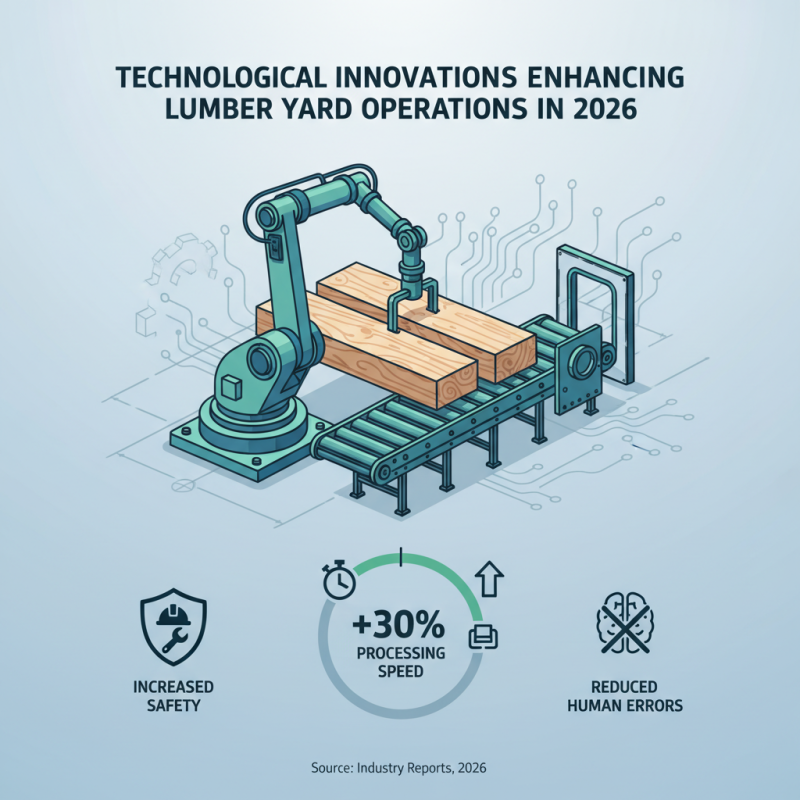
Technological innovations are reshaping lumber yard operations significantly. In 2026, the integration of automation technologies is expected to improve efficiency. Reports indicate that automation can enhance processing speed by up to 30%. This shift also reduces human errors and increases safety in the workplace.

Digital platforms play a vital role, too. Many lumber yards are adopting software solutions for inventory management and logistics. These tools help in tracking stock levels in real-time. According to a recent survey, 70% of industry leaders believe that digital inventory systems reduce waste by 25%. However, while some yards embrace these innovations, others struggle with the transition. The training gap for staff remains a concern.

Lastly, customer experience is being prioritized through technology. Virtual reality (VR) tools are emerging for customers to visualize wood products. In 2026, this could enhance decision-making and boost sales. Nevertheless, the cost of implementing advanced technology can be prohibitive for smaller operations. Thus, a balance must be found between innovation and accessibility.