Exploring Top Royal Building Solutions for Modern Construction Needs?

In today’s fast-paced construction landscape, the demand for efficiency and aesthetics is higher than ever. Royal building solutions have emerged as a response to these modern needs. They promise innovation, combining traditional craftsmanship with contemporary design. This blend captivates architects and builders alike.

Many companies offer royal building solutions, yet finding the right fit can be challenging. Different projects require different approaches, and a one-size-fits-all solution may not exist. Considerations of sustainability and durability often complicate choices. However, a carefully selected royal solution can elevate a project, ensuring longevity and appeal.

As we explore the best royal building solutions available, it’s essential to note the evolving nature of the industry. Continuous advancements necessitate an open mindset. While some solutions shine brightly, others can fall short. Reflection and careful evaluation of options are crucial for success in modern construction.
Exploring Top Royal Building Solutions for Modern Construction Needs?

Overview of Modern Construction Needs in Royal Building Solutions
Exploring Top Royal Building Solutions for Modern Construction Needs?

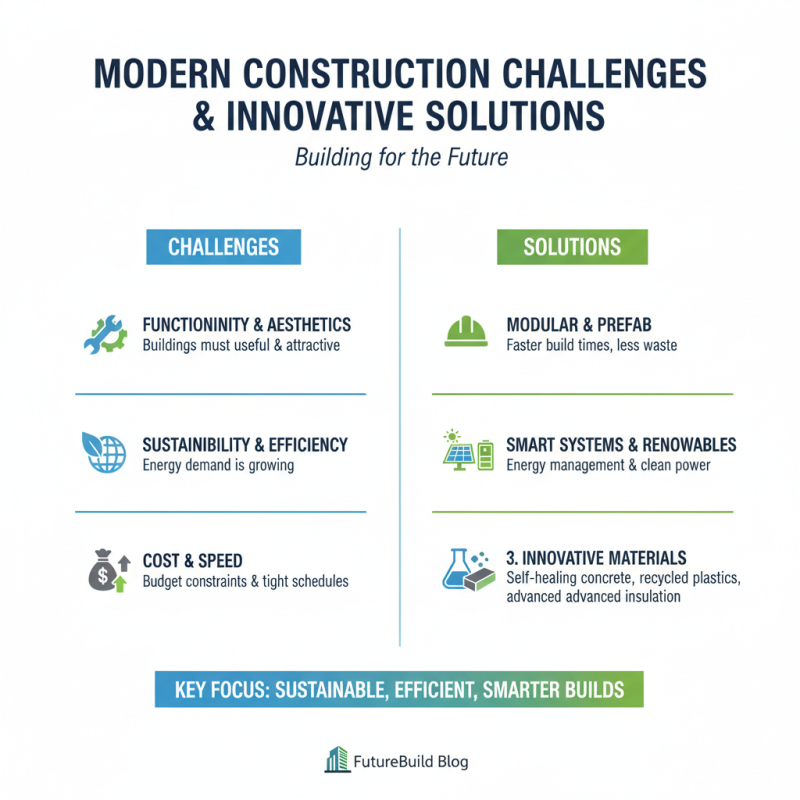
Modern construction faces unique challenges. Buildings must be functional, sustainable, and visually appealing. The demand for energy efficiency grows. Architects and builders are looking for solutions that meet these needs. Innovative materials are becoming critical in this landscape.

Royal building solutions provide a range of options. From advanced insulation to smart technology integration, these solutions can elevate a project. Many structures now incorporate renewable energy sources. However, not every attempt yields the desired results. There are cases of over-engineering or misjudged site conditions.

Attention to detail is paramount. Designers must collaborate closely with engineers. The dialogue about materials is crucial. While some materials excel, others may underperform, leading to increased costs and delays. Discovering the right balance between tradition and innovation is often a challenge. This ongoing exploration shapes the future of royal building solutions in modern construction.

Key Materials Utilized in Top Royal Building Solutions

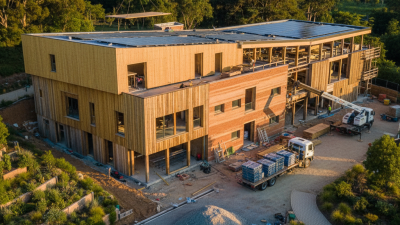
In modern construction, selecting the right materials is crucial. Many builders are exploring advanced solutions that meet both functionality and aesthetic needs. One prominent category includes sustainable materials that reduce environmental impact. These options often enhance the durability and longevity of structures. Bamboo and recycled steel are excellent choices for eco-friendly building.

Tips: Always check local regulations. Not all materials are permitted everywhere. Ensure you understand the environmental impact of your material choice.

Another exciting innovation is modular building components. They allow for quicker assembly and can be tailored to specific project needs. For instance, prefabricated walls can save time on-site. However, reliance on these components may pose challenges in customization. Think carefully about the design needs before deciding.

Tips: Prioritize quality over speed. A fast project is worthless if it compromises integrity. Always consult with professionals to ensure the best outcomes.

Exploring Top Royal Building Solutions for Modern Construction Needs

Material Type Common Uses Advantages Sustainability
Reinforced Concrete High-rise buildings, bridges High strength, durability Can incorporate recycled materials
Steel Commercial buildings, infrastructure Strength-to-weight ratio, flexibility Recyclable, energy efficient in production
Wood Residential construction, furniture Aesthetic appeal, insulation properties Renewable resource, carbon sequestration
Glass Windows, facades Natural light, aesthetics Can be produced with recycled glass
Brick Walls, pavements Durability, sound insulation Natural materials, recyclable

Innovative Design Techniques in Modern Royal Construction

Exploring Top Royal Building Solutions for Modern Construction Needs?

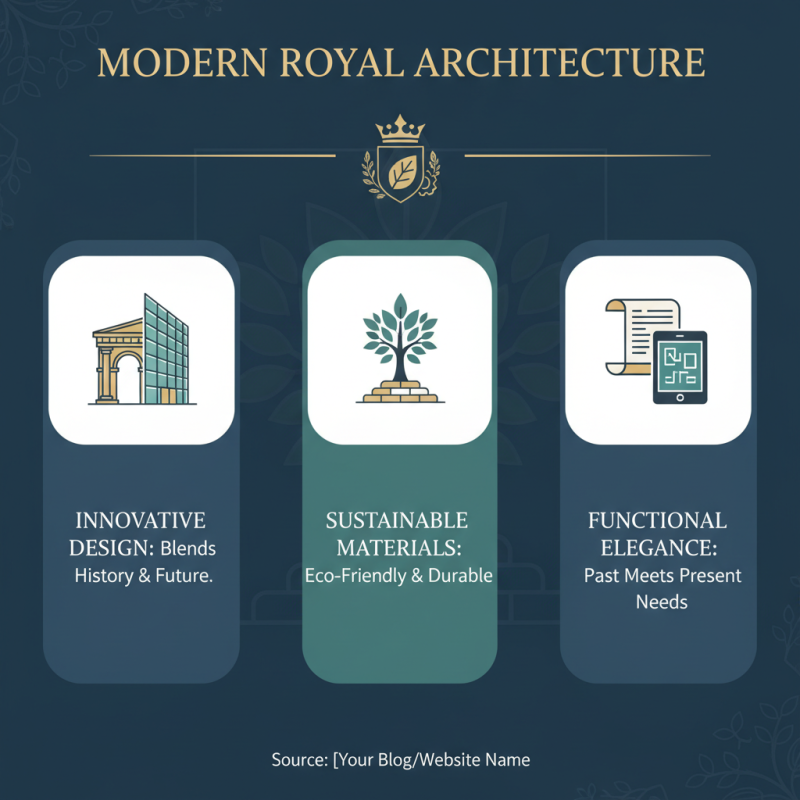
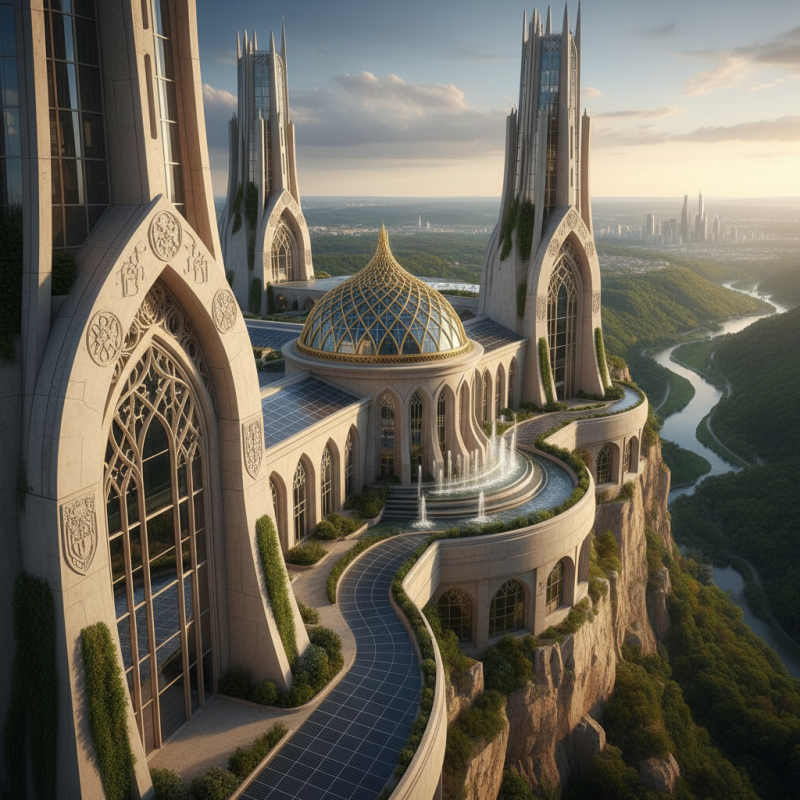
In modern royal construction, innovative design techniques have transformed traditional approaches. Architects now embrace a blend of historical elegance and contemporary functionality. They often draw inspiration from classic structures while incorporating sustainable materials. This creates spaces that honor the past and meet present-day needs.

The rise of 3D printing technology is a game-changer. It's allowing for unique architectural forms that were previously difficult to achieve. However, not all projects benefit equally from this method. Some designs may sacrifice durability for flexibility or aesthetic appeal. This raises questions about the long-term viability of these innovations.

Furthermore, smart technology integration is essential. Automated systems enhance comfort and efficiency. Yet, reliance on technology can create vulnerability. Power failures might leave a luxurious home stranded in darkness. Balancing innovation with practical considerations is crucial. It challenges architects to rethink how they approach modern royal building solutions. The convergence of tradition and innovation is a complex dance, requiring continuous reflection and adjustment.

Sustainability Practices in Royal Building Solutions

Sustainability is crucial in modern construction. According to a recent report by the World Green Building Council, green buildings can reduce carbon emissions by up to 40%. This statistic highlights the need for sustainable building practices. Many royal building solutions now prioritize eco-friendly materials and energy-efficient designs.

Incorporating natural light is one effective practice. Studies show that buildings utilizing natural light can reduce energy use by 20%. Additionally, utilizing rainwater harvesting systems can conserve water and reduce utility costs. However, some builders still overlook these strategies, leading to missed opportunities.

Cost can be a barrier. Implementing sustainable materials may require higher initial investments. Yet, the long-term savings often justify the expense. Awareness and education are essential to overcome this challenge. Builders must engage in continuous learning about evolving sustainability practices to make informed decisions. Embracing these principles is not just beneficial for the environment; it’s vital for meeting future construction needs.

Future Trends Shaping Royal Building Construction Methods

As modern society evolves, the construction sector faces new demands. Technologies like Building Information Modeling (BIM) have emerged, allowing for greater efficiency in design and execution. A study from McKinsey suggests that BIM adoption can reduce project costs by up to 20%. This highlights the trend towards digital transformation in the royal building sector.

Sustainability is another key trend shaping construction methods. The global green building market is projected to reach $800 billion by 2030. However, the industry still grapples with issues like resource management. Many constructions waste 30% of materials. Finding solutions to mitigate this waste is crucial for a sustainable future.

Emerging materials, such as cross-laminated timber (CLT), offer promise. CLT can cut carbon emissions by about 15% compared to traditional materials. Yet, adoption rates remain slow, with many contractors hesitant due to unfamiliarity. There’s a growing need to educate and train professionals on these innovative materials. The path forward needs careful reflection and an open-minded approach.