2025 Top Trends in the Materials Market You Need to Know About

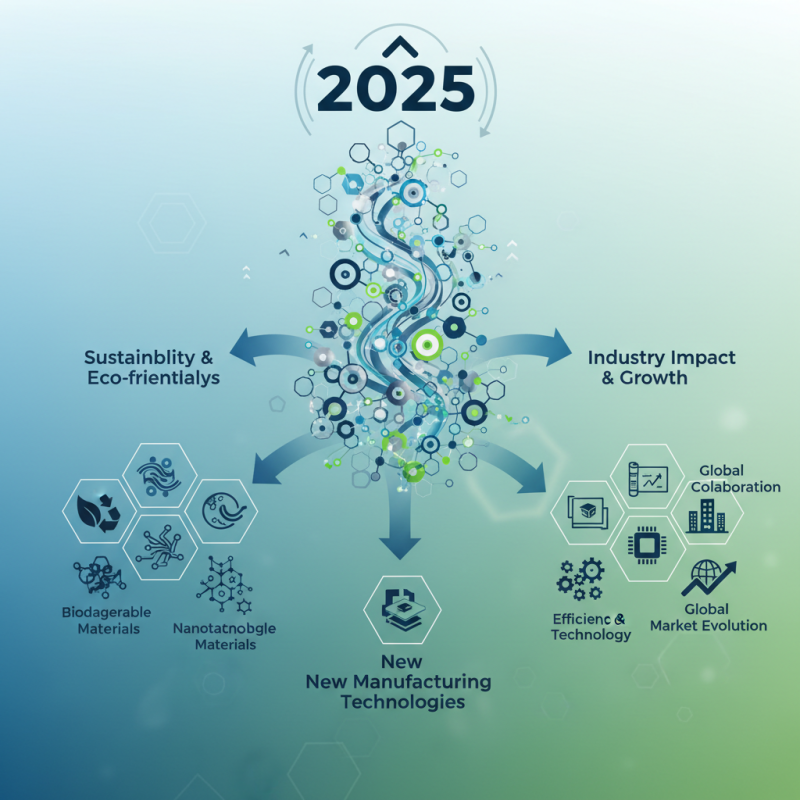
As we approach the year 2025, the materials market is poised for transformative changes that will shape industries from construction to technology. With the ongoing emphasis on sustainability, innovative materials are gaining traction, driving development that emphasizes efficiency and eco-friendliness. Market trends indicate a significant shift towards advanced composites, biodegradable materials, and smart substances that not only meet functional requirements but also contribute to environmental conservation.

The emergence of new manufacturing technologies, such as 3D printing and nanotechnology, is redefining production processes. This evolution facilitates the creation of lightweight, durable components that enhance overall product performance, while also reducing waste. As the materials market continues to evolve, it becomes essential for stakeholders to adapt to these trends and identify opportunities for growth and collaboration.

With these advancements, understanding the key trends within the materials market by 2025 is crucial for businesses aiming to stay competitive. In this dynamic landscape, companies must be vigilant in recognizing the implications of these changes, harnessing innovative solutions, and embracing sustainable practices to meet the demands of a rapidly changing world.
2025 Top Trends in the Materials Market You Need to Know About

Key Innovations in Sustainable Materials for 2025
2025 Top Trends in the Materials Market You Need to Know About

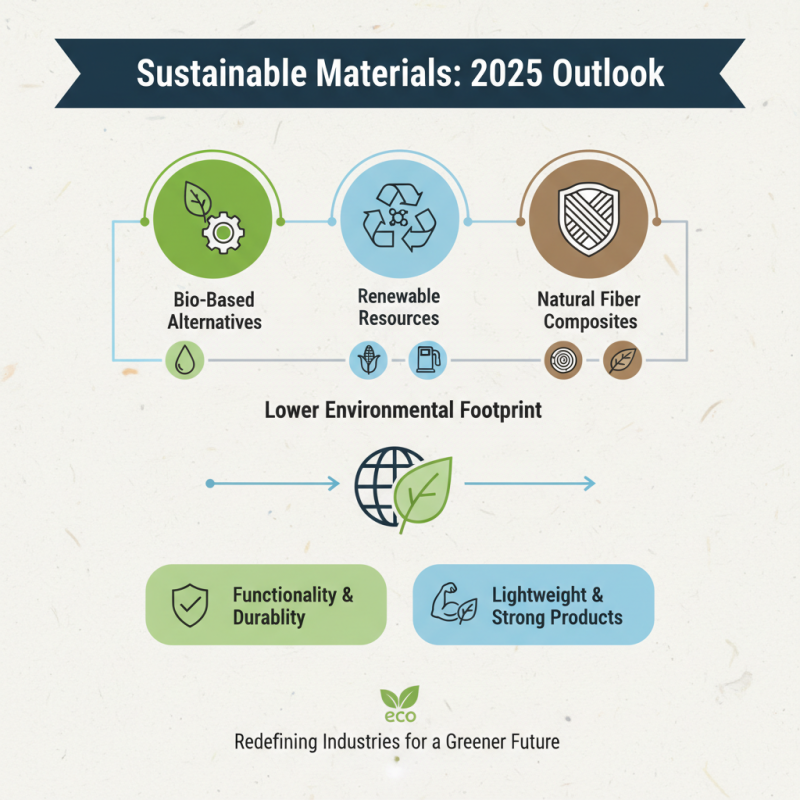
As we look ahead to 2025, the emphasis on sustainable materials is set to redefine various industries. Key innovations in this realm include the development of bio-based materials that serve as alternatives to conventional plastics. These materials, derived from renewable resources such as agricultural waste and biofuels, promise a lower environmental footprint while maintaining functionality and durability. The integration of natural fibers into composite materials also showcases the potential for lightweight yet strong products that cater to both performance and ecological considerations.

Another critical trend is the advancement of circular economy principles in material production. Innovative approaches to recycling and reusing materials are expected to rise, allowing for the reduction of waste and energy consumption in manufacturing processes. Techniques such as upcycling and the use of closed-loop systems are gaining traction, helping to create a more sustainable lifecycle for materials. This shift not only enhances resource efficiency but also fosters a culture of sustainability among manufacturers and consumers alike, paving the way for a greener future.

Emerging Technologies Shaping the Future of Material Science

The future of material science is being profoundly shaped by a range of emerging technologies. Advanced manufacturing processes, such as 3D printing and additive manufacturing, are enabling the creation of complex and lightweight materials that were previously unattainable. These technologies allow for precise control over material properties and structures, leading to innovations in sectors like aerospace, automotive, and healthcare. The shift from traditional manufacturing methods to more sophisticated techniques is not only improving efficiency but also reducing waste and energy consumption.

In addition to manufacturing advancements, the integration of artificial intelligence and machine learning is revolutionizing the way materials are designed and tested. By utilizing data-driven approaches, researchers can predict material behavior and performance, accelerating the development of new substances with tailored characteristics. The rise of biomaterials is another significant trend, driven by the demand for sustainable solutions. These materials, derived from natural sources, offer eco-friendly alternatives that can enhance product performance while minimizing environmental impact. As these technologies continue to evolve, they will undoubtedly redefine the landscape of material science, paving the way for innovative applications across various industries.

Market Trends in Biodegradable and Recyclable Materials

The growing concern over environmental sustainability has propelled the materials market towards a significant shift, particularly in the realms of biodegradable and recyclable materials. According to a report by MarketsandMarkets, the global biodegradable plastics market is expected to reach USD 6.6 billion by 2024, growing at a compound annual growth rate (CAGR) of 18.3%. This surge highlights the increasing demand from consumers and industries alike for materials that can reduce landfill impact and contribute to a circular economy. Biodegradable materials, such as those derived from cornstarch or sugarcane, are becoming more prominent in packaging solutions, driven by both regulatory pressures and consumer preferences.

Recyclable materials are equally gaining traction, with the global recycling market projected to reach USD 60 billion by 2027, according to a report by Grand View Research. The emphasis on recycling is crucial as it enhances resource efficiency and reduces carbon footprints. Innovations in recycling technologies, including advanced sorting and processing methods, are making it easier to recycle a wider array of materials. Moreover, the push towards extended producer responsibility (EPR) policies aims to hold manufacturers accountable for the end-of-life of their products, incentivizing the design of materials that are easier to recycle and incorporate into new products. This shift not only supports the environment but can also present economic opportunities for companies embracing sustainable practices.

The Impact of Nanotechnology on Material Performance

Nanotechnology is at the forefront of transforming the materials market, unlocking new levels of performance that were previously unimaginable. By manipulating materials at the atomic and molecular scale, nanotechnology enhances properties such as strength, durability, and conductivity. This not only leads to lighter and more resilient materials, but also enables the creation of products with specialized functionalities, from self-cleaning surfaces to advanced electronic components.

The integration of nanotechnology into various materials offers significant advantages across multiple industries, including construction, healthcare, and consumer goods. In construction, for example, nanoscale additives can improve the longevity and performance of concrete, making structures more resistant to environmental stresses. Meanwhile, in the health sector, nanomaterials are paving the way for better drug delivery systems and innovative medical devices. As these technologies continue to advance, the materials market is poised for dramatic changes, emphasizing the importance of nanotechnology in shaping the future of material performance.

Economic Factors Influencing the Materials Industry in 2025

The materials industry in 2025 will be significantly shaped by a range of economic factors that reflect both global trends and local market dynamics. One of the primary influences will be the fluctuations in raw material prices, driven by supply chain disruptions and changing demand patterns. As countries continue to grapple with the repercussions of the pandemic, labor shortages and transportation bottlenecks may lead to increased costs, prompting companies to innovate in sourcing and using alternative materials. This shift could also encourage investment in recycling technologies and sustainable practices, as businesses aim to mitigate risks associated with traditional supply chains.

Moreover, inflationary pressures may impact the materials market as consumers and industries adjust to rising costs. The expectation of higher raw material prices could lead to preemptive purchasing behaviors among companies, creating short-term spikes in demand. Additionally, government policies aimed at promoting economic recovery, such as infrastructure spending initiatives, may boost demand for specific materials, particularly in the construction and manufacturing sectors. This interplay of economic factors will not only influence pricing strategies and profit margins but will also drive innovation, prompting companies to adapt to a rapidly evolving landscape in the materials industry.

2025 Top Trends in the Materials Market

This chart illustrates the projected growth in different segments of the materials market for the year 2025, highlighting key economic factors influencing each segment.