
We use cookies on our website to give you an improved browser experience. View our Privacy Policy for more information. Please make your selection to opt in or out of ALL cookies here: Accept or Decline
Choosing reliable Work Wear manufacturers requires more than comparing attractive catalogs or low prices. Global buyers need suppliers that can deliver consistent quality, clear communication, and dependable production schedules. This guide examines leading manufacturers through practical criteria, including fabric performance, stitching strength, sizing accuracy, factory capacity, minimum order quantities, and delivery reliability. It also considers buyer feedback, product testing, supplier documentation, and available certifications. A jacket may look durable under showroom lighting, yet fail after repeated washing or outdoor use. Small details matter.
Reliable manufacturers explain their materials, inspection process, and production limits honestly. They should also provide samples before large orders and respond clearly when defects appear. That builds trust. However, no supplier ranking is perfect. Factory conditions, pricing, and lead times can change, while regional service quality may differ between buyers. Readers should verify current information before signing contracts or approving production.
The right manufacturer depends on the buyer’s industry and working environment. Construction crews may need reinforced knees and weather-resistant shells. Healthcare teams may prioritize easy-care fabrics, comfort, and consistent sizing. Logistics workers often need breathable garments, reflective details, and practical pockets. This overview helps buyers ask better questions. Can the factory maintain color consistency across batches? Are replacement sizes available? How are quality complaints handled? These answers reveal more than promotional claims. By focusing on evidence, experience, and transparent communication, global purchasers can select Work Wear that supports safety, comfort, professional presentation, and long-term value.
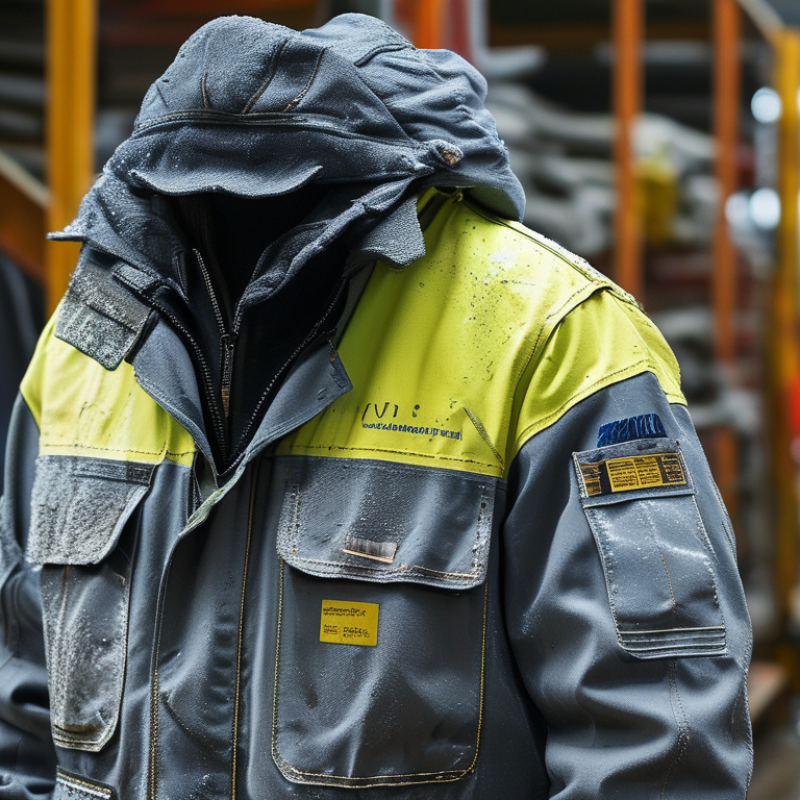
A leading workwear manufacturer is defined by more than sewing capacity or a large product catalog. It understands how garments perform during long shifts, repeated washing, and sudden weather changes. Experienced teams study real working conditions before selecting fabrics, closures, and protective features. A warehouse jacket may need flexible shoulders, reinforced elbows, and pockets that remain accessible while lifting boxes.
Technical knowledge should be visible in the production process. Reliable manufacturers test fabric strength, colorfastness, seam durability, and dimensional stability. They document these results and explain testing methods clearly to international buyers. Fit development also matters. A garment can pass a laboratory test yet restrict movement on a construction site. Practical trials with workers often reveal problems that measurements miss.
Strong manufacturers maintain traceable material records, consistent inspection procedures, and clear communication about production limits. They provide samples that reflect actual bulk quality, not specially prepared pieces. Delivery planning should include realistic capacity, packaging details, and responses to defects. Authority comes from demonstrated performance, not confident claims.
No factory gets every detail right. That is normal, but hiding problems is not. A dependable supplier reports a failed test, identifies its cause, and proposes a corrective action. Buyers should ask how complaints are recorded and how improvements are verified. Small signs matter: accurate size charts, secure stitching around pocket corners, and labels that survive industrial laundering. Such evidence helps global buyers judge whether a manufacturer is genuinely capable, rather than simply persuasive.
A reliable workwear assessment begins with the worker’s actual environment. Check fabric weight, fiber content, seam strength, and garment movement. A jacket may look durable yet split at the elbow. Small details matter. Inspect stitching around pockets, zippers, cuffs, and attachment points. Ask for production samples, not only polished showroom pieces. Compare measurements after repeated washing, drying, and exposure to workplace dust or oil.
Safety claims require evidence. Request current test reports from competent laboratories and verify the tested fabric, design, and production batch. Reflective strips should remain visible after laundering and bending. Protective garments must match the hazards, climate, and task. Heat, sparks, chemicals, sharp edges, and poor visibility demand different performance controls. A general safety label proves little.
Compliance also depends on the destination market. Confirm fiber labeling, restricted-substance controls, care instructions, traceability, and documented factory inspections. Supplier records should connect raw materials to finished cartons. Audit the manufacturing site when possible. Speak with quality staff, not only sales representatives. Their answers reveal process maturity. Be cautious with perfect claims. A supplier that admits a failed wash test may be more trustworthy than one promising zero defects. Even experienced buyers can overlook shrinkage, color transfer, or uncomfortable pressure points. Wear-test the garments during a full shift. Real movement often exposes weaknesses that paperwork misses.
Global workwear sourcing is increasingly regional rather than concentrated in one country. The World Trade Organization reported approximately US$576 billion in global clothing exports in 2022, showing the scale behind today’s supplier networks. China remains strong in fabric development, protective finishing, and large-volume production. Vietnam and Bangladesh offer competitive cut-and-sew capacity, while India and Pakistan support cotton-rich supply chains. Turkey and Eastern Europe provide shorter delivery routes into European markets. Mexico and parts of Latin America can reduce replenishment time for North American buyers.
Capability matters more than a low unit price. The International Labour Organization estimates that textiles and clothing employ over 60 million people worldwide, so workforce stability affects delivery reliability. Buyers should examine monthly output, machine types, fabric testing, and subcontracting controls. Ask for evidence of testing for abrasion, colorfastness, shrinkage, and seam strength. For high-visibility or flame-resistant garments, independent laboratory reports are essential. A factory may quote fast production, yet fabric booking can still delay shipment.
The World Bank’s Logistics Performance Index 2023 highlights differences in customs efficiency, infrastructure, and shipment tracking across markets. These gaps influence total cost. I would not assume the cheapest region is the most efficient. Port congestion, minimum order quantities, and weak corrective-action systems can erase savings. A practical supplier review should include a production-site visit, sample approval, traceability checks, and a small pilot order before scaling globally. Some buyers still overlook this step. That is a costly weakness.
Top Work Wear Manufacturers for Global Buyers?
Workwear Product Categories for Different Industries
Global buyers should match garment design with real workplace hazards. A warehouse uniform is not suitable for a welding floor. Categories often include high-visibility jackets, flame-resistant coveralls, chemical-resistant aprons, and lightweight industrial shirts. Each item needs documented fabric performance, secure stitching, and clear care instructions. Poor sizing can reduce protection, even when the material meets technical requirements. That detail is easy to underestimate.
Construction teams often need reflective vests, reinforced trousers, safety jackets, and weatherproof layers. Manufacturing workers may require antistatic clothing, cut-resistant sleeves, or low-lint garments. Oil and gas operations usually demand flame-resistant coveralls, arc-rated layers, and durable gloves. Healthcare facilities focus on scrubs, isolation gowns, fluid-resistant coats, and washable footwear. Food-processing uniforms should control loose fibers and support frequent hot washing.
Agricultural workwear needs breathable fabrics, sun protection, and flexible movement. Cold-storage employees require insulated jackets, thermal trousers, and gloves that preserve grip. Logistics teams benefit from stretch cargo trousers, high-visibility tops, and rain protection. Manufacturers serving global buyers should offer size grading, sample testing, color consistency, and traceable production records. Local climate matters too. A heavy uniform may protect workers in winter but create unsafe heat stress elsewhere. Buyers should test garments with actual users, not only review catalogs. Early feedback may reveal uncomfortable collars, weak pockets, or sleeves that restrict lifting. Small flaws become expensive when orders are large.
The chart maps commonly specified workwear categories across major industries. A value of 1 indicates that the category is commonly required or used in that industry, while 0 indicates that it is not a standard category.
Categories are based on typical occupational protection needs, including visibility, thermal hazards, chemicals, cutting hazards, weather exposure, and hygiene requirements.
Choosing a workwear manufacturer is not a price exercise. Global buyers should test technical competence, delivery discipline, and evidence. Start with the garment’s job: welding sparks, warehouse abrasion, heat, rain, or repeated industrial washing. Ask for test reports, fiber content, seam specifications, and size grading. The ILO estimated 2.93 million work-related deaths and 395 million non-fatal injuries annually in 2023. Protective performance is a sourcing requirement, not a marketing phrase. Yet paperwork alone is weak. Request a production sample and inspect labels, closures, stitching, and shrinkage after washing.
Supplier selection should also examine capacity and control. Visit, or arrange an independent audit, covering raw-material traceability, subcontracting, worker training, chemical management, and corrective-action records. The OECD Due Diligence Guidance for Garment and Footwear recommends risk-based due diligence across the supply chain. A useful question is simple: “Show me the failed test, too.” Honest records reveal maturity. Check lead times against peak-season capacity, not optimistic quotations. The Textile Exchange Materials Market Report 2024 states that global fiber production reached 124 million tonnes in 2023. Compare recycled-content claims with transaction certificates, not attractive spreadsheets.
Cost still matters. Total cost matters more. Model sampling, testing, freight, repairs, replacement rates, and delayed deliveries. Ask how the factory handles a rejected batch. Can it isolate 2,000 garments within hours? Can it reproduce the same navy shade six months later? These details expose operational strength. Still, selection is imperfect. Audits can miss night shifts, and samples can hide inconsistent bulk production. Use staged orders, independent verification, and measurable service levels. Revise the supplier score when evidence changes.
We use cookies on our website to give you an improved browser experience. View our Privacy Policy for more information. Please make your selection to opt in or out of ALL cookies here: Accept or Decline
Do you consent to the use of ALL cookies?
901 2nd Court West
Birmingham, AL 35204
Sales: 866.481.4036
Logistics/Ops: 866.481.4036
2101 Dralle Road
University Park, IL 60466
Sales: 708.813.9070
Logistics/Ops: 708.235.4200
400 E. 13th Street
Little Rock, AR 72114
Sales: 866.760.5344
Logistics/Ops: 866.760.5344
225 Collins Road
Elkhart, IN 46515
Sales: 574.295.0214
Logistics/Ops: 574.607.4611
601 Berryman Pike
Tipton, IN 46072
Sales: 800.897.7591
Logistics/Ops: 800.897.7591
3900 Uvalda Street
Denver, CO 80239
Sales: 303.706.8000
Ops/Logistics: 303.576.8398
510 3rd Street E
Milan, IL 61264
Sales: 800.322.1052
Logistics/Ops: 800.322.1052
1660 E. Aurora
Des Moines, IA 50313
Sales: 800.671.1660
Logistics: 800.671.1660
86554 Gene Lasserre Blvd.
Yulee, FL 32097
Sales: 904.253.3060
Logistics/Ops: 904.225.3000
694 S.E. County Road 245
Lake City, FL 32025
Sales: 800.727.6706
Logistics/Ops: 386.752.7412
210 Neptune Road
Auburndale, FL 33823
Sales: 863.967.1131
Logistics/Ops: 863.777.9814
4601 McCoy Drive
Pensacola, FL 32503
Sales: 850.308.7030
Logistics/Ops: 850.434.5502
815 South 56th Street
Tampa, FL 33619
Sales: 813.302.1940
Logistics/Ops: 813.621.1352
200 Hosea Road
Lawrenceville, GA 30046
Sales: 770.953.7575
Logistics/Ops: 770.513.6000
Branch Product Guide
Branch Line Card
Moulding Offering
Cedar Offering
Column Offering
8173 Hwy. 165 North
Monroe, LA 71211
Sales: 800.256.4165
Logistics/Ops: 800.256.4165
508 Warren Avenue
Portland, ME 04103
Sales: 207.888.2331
Logistics/Ops: 207.797.6565
4300 Georgia Pacific Blvd.
Frederick, MD 21704
Sales: 301.798.7474
Logistics/Ops: 301.874.8000
419 Maple Street
Bellingham, MA 02019
Sales: 508.449.0535
Logistics/Ops: 508.966.5500
825 Buchanan Ave SW
Grand Rapids, MI 49507
Sales: 877.800.1180
Logistics/Ops: 616.278.0909
995 Pacific St. NW
Aitkin, MN 56431
Sales: 800.432.3727
Logistics/Ops: 218.212.7770
1102 Port Terminal Drive
Duluth, MN 55802
Sales: 800.951.9899
Logistics/Ops: 800.851.9899
9110 83rd Ave. North
Brooklyn Park, MN 55445
Sales: 763.425.0204
Logistics/Ops: 763.425.0204
910 E. Railroad Street
Long Beach, MS 39560
Sales: 866.535.4135
Logistics/Ops: 228.205.2400
1727 Warren Street
North Kansas City, MO 64116
Sales: 800.621.2611
Logistics/Ops: 800.621.2611
2123 North Golden
Springfield, MO 65803
Sales: 800.375.7891
Logistics/Ops: 800.375.7891
13860 Corp. Woods Trail
Bridgeton, MO 63044
Sales: 314.209.0800
Logistics/Ops: 314.209.0800
1109 South 19th Street
Omaha, NE 68108
Sales: 800.489.6637
Logistics/Ops: 800.489.6637
1 Luger Road
Denville, NJ 07834
Sales: 973-339-3539
Logistics/Ops: 973.625.1461
3720 Jeffrey Blvd.
Blasdell, NY 14219
Sales: 716.235.5989
Logistics/Ops: 716.825.6557
319 Yaphank Ave.
Yaphank, NY 11980
Sales: 631.358.5714
Logistics/Ops: 631.924.7401
3300 Parkside Drive
Charlotte, NC 28208
Sales: 800.839.2588
Logistics/Ops: 704.394.3172
1712 East D Street
Butner, NC 27509
Sales: 984.389.8200
Logistics/Ops: 919.575.3700
128 Foothills Drive
Statesville, NC 28687
Sales: 800.222.1414
Logistics/Ops: 704.394.3172
550 Munroe Falls Rd.
Tallmadge, OH 44278
Sales: 330.357.4506
Logistics/Ops: 330.794.1141
10347 Toebben Dr.
Independence, KY 41051
Sales: 859.298.3926
Logistics/Ops: 859.746.2250
450 N. MacArthur
Oklahoma City, OK 73127
Sales: 800.375.6025
Logistics/Ops: 800.375.6025
1680 North Aspen
Broken Arrow, OK 74012
Sales: 918.272.2212
Logistics/Ops: 918.272.2212
522 Bridge Street
Hunker, PA 15639
Sales: 878.217.2001
Logistics/Ops: 724.925.7285
4290 Atlanta Street
Charleston, SC 29418
Sales: 843.371.1420
Logistics/Ops: 843.554.8192
1040 S. Industrial Dr.
Erwin, TN 37650
Sales: 423.641.1005
Logistics/Ops: 423.742.5911
4287 Pilot Drive
Memphis, TN 38118
Sales: 901.365.2101
Logistics/Ops: 901.365.2101
700 Myatt Drive
Madison, TN 37115
Sales: 615.327.9547
Logistics/Ops: 629.777.4949
4747 Mark IV Parkway
Fort Worth, TX 76106
Sales: 866.323.5117
Logistics/Ops: 817.625.9091
6990 Market Avenue
El Paso, TX 79915
Sales: 915.778.6356
Logistics/Ops: 915.265.7200
2502 Wilson Road
Harlingen, TX 78552
Sales: 800.580.6711
Logistics/Ops: 800.580.6711
10,000 North Loop East
Houston, TX 77029
Sales: 713.921.1977
Logistics/Ops: 713.675.3544
702 East 44th St.
Lubbock, TX 79404
Sales: 866.454.6010
Logistics/Ops: 866.454.6010
535 N. WW White Road
San Antonio, TX 78219
Sales: 800.284.0488
Logistics/Ops: 210.333.8112
142 Pine Haven Shores Rd.
Shelburne, VT 05482
Sales: 802.800.2540
Logistics/Ops: 802.985.2512
4700 Bethlehem Road,
Richmond, VA 23230
Sales: 804.201.2400
Logistics/Ops: 804.342.1161
4516 N Barker Road
Spokane Valley, WA 99027
Phone: 509.892.9420
Toll free: 800.728.6157
8365 N. 76th Street
Milwaukee, WI 53223
Sales: 800.356.9245
Logistics/Ops: 800.356.9245
312 S. Chester Street
Sparta, WI 54656
Sales: 800.362.5864
Logistics/Ops: 800.362.5864
899 Grossman Drive
Schofield, WI 54476
Sales: 800.472.0017
Logistics/Ops: 800.472.0017
