
Why Choose Hexagonal Wire Mesh for Your Projects?

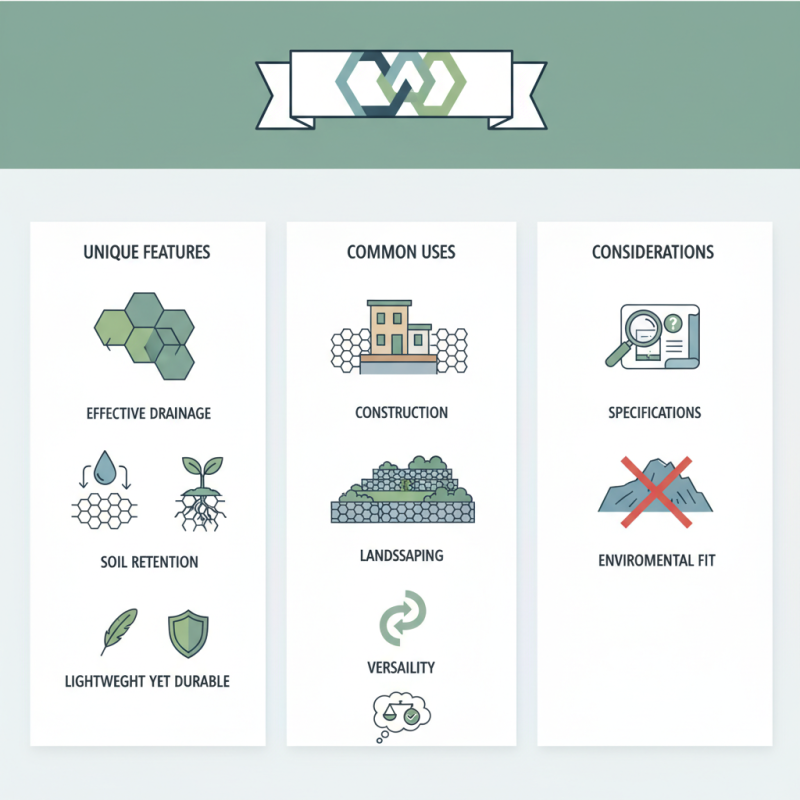
hexagonal wire mesh is an interesting material choice for various projects. It offers unique features that set it apart. This mesh is characterized by its hexagonal shape, giving it strength and flexibility. It is commonly used in construction and landscaping.

The design of hexagonal wire mesh allows for effective drainage and soil retention. These properties ensure stability for plants and structures. In addition, it is lightweight yet durable, making it easy to transport and install. Many people underestimate its versatility in different applications.

However, selecting hexagonal wire mesh is not without challenges. Understanding the right specifications for your project is crucial. Sometimes, it may not be the best fit for certain environments. Evaluating your needs is essential before making a decision. Despite its advantages, careful thought is needed to avoid potential pitfalls.
Why Choose Hexagonal Wire Mesh for Your Projects?

Overview of Hexagonal Wire Mesh: Definition and Applications

Hexagonal wire mesh, often referred to as hex mesh, is a versatile material. This type of mesh consists of interwoven wires arranged in a hexagonal pattern. Its unique structure offers strength and durability for various applications. Research indicates that the global hexagonal wire mesh market is growing significantly, projected to reach $1.5 billion by 2027. This growth underscores its increasing importance across multiple industries.

This wire mesh finds extensive use in agriculture, construction, and environmental protection. In agriculture, it serves as fencing to protect crops from animals. In construction, it provides reinforcement in concrete structures. Furthermore, hexagonal wire mesh is used in erosion control, helping to stabilize soil on slopes. However, while it is effective in these applications, its installation can sometimes be challenging. Miscalculations in the dimensions or the tension can lead to inadequate support.

Moreover, the choice of material has significant implications. Galvanized options resist rust but lack the aesthetic appeal of stainless steel. Applications may suffer if the wrong material choice is made. This highlights the need for careful consideration in project planning. Understanding both the benefits and limitations of hexagonal wire mesh is key to effective implementation.

Applications of Hexagonal Wire Mesh

Key Advantages of Hexagonal Wire Mesh in Construction Projects

Hexagonal wire mesh is increasingly popular in construction projects. It presents unique advantages that can enhance structural integrity. One key advantage is its strength. The hexagonal shape allows the mesh to distribute loads evenly. This feature makes it suitable for various applications, from construction to fencing.

Another significant benefit is flexibility. Hexagonal wire mesh adapts well to different terrains. This adaptability can save time and resources on various projects. For example, when building retaining walls, this mesh can contour easily to the landscape. Such versatility is invaluable in design and implementation.

**Tip:** Always evaluate the gauge of the wire used. A thicker wire offers more strength, while a thinner option can be lighter and easier to work with.

The longevity of hexagonal wire mesh is another reason to consider it. It resists corrosion better than many alternatives. This resistance translates to less maintenance in the long run. Still, reflect on the environmental conditions it will face. Proper assessment ensures durability.

**Tip:** If you work in humid areas, choose a galvanized option. This choice provides extra protection against environmental factors.

Using hexagonal wire mesh can elevate your project. Its advantages may outweigh its initial cost. It's beneficial to weigh your specific needs against the features of the mesh.

Comparative Analysis: Hexagonal Wire Mesh vs. Other Wire Mesh Types

Hexagonal wire mesh offers unique advantages when compared to other wire mesh types. Its hexagonal shape provides better structural integrity. This design allows for even distribution of tension, making it ideal for applications like fencing and reinforcement in construction projects. Unlike square or rectangular meshes, hexagonal variants often resist deformation better under stress.

When looking at durability, hexagonal wire mesh tends to outperform. Its layout minimizes weak points, which can be a concern in square mesh types. It also supports a higher resistance to wear and tear over time. During installation, hexagonal mesh can be easier to manipulate. Its flexibility allows for adjustments without compromising the overall strength. However, some might find the initial cost slightly higher than that of standard meshes.

Each mesh type has its own drawbacks. While hexagonal is strong, it may not be ideal for every situation. Projects requiring completely flat surfaces might struggle with its shape. Understanding the specifics of your project is key to making the right choice. Take the time to analyze the requirements before deciding on the mesh type.

Why Choose Hexagonal Wire Mesh for Your Projects? - Comparative Analysis

Feature Hexagonal Wire Mesh Square Wire Mesh Welded Wire Mesh
Material Strength High Medium High
Flexibility Good Limited Limited
Cost-Effectiveness Moderate Low High
Installation Ease Easy Easy Moderate
Durability Highly Durable Moderately Durable Highly Durable
Aesthetic Appeal Good Limited Limited

Installation Process and Best Practices for Hexagonal Wire Mesh

When installing hexagonal wire mesh, preparation is key. Gather all necessary tools before starting. A sturdy pair of gloves is essential for safety. You’ll also need wire cutters, pliers, and a measuring tape. Ensure you have a clear working area to avoid mishaps.


Begin by measuring the space where the mesh will be installed. Cut the mesh accurately to prevent wastage. Remember to wear safety goggles during this process. As you position the mesh, secure it tightly to avoid sagging. Use fence stakes or anchors if needed for additional support. It’s crucial to check that the mesh aligns properly at every stage.


Even with careful planning, challenges may arise. Uneven ground can make installation tricky. Take time to adjust the mesh to fit the terrain. Sometimes, redoing sections is necessary. Patience is essential through these hiccups. Document your process for future reference. Reflect on what worked well and what didn't. This'll help improve your technique for next time.

Common Industries Utilizing Hexagonal Wire Mesh Solutions

Hexagonal wire mesh is versatile and practical, used in various industries today. It offers reliable solutions for many applications, from construction to agriculture. Many companies find it essential in their day-to-day operations.

In the agricultural sector, hexagonal wire mesh is widely utilized for fencing and enclosures. It effectively keeps animals safe while allowing for ventilation and visibility. This mesh style is also seen in gardening, supporting plants and providing a sturdy structure. However, some users may overlook proper installation, risking the integrity of the fence.

Construction professionals favor hexagonal wire mesh for reinforcing concrete and creating temporary barriers. Its strength and durability are crucial in building stable, safe structures. Industrial applications also include using hexagonal wire for security purposes or as containers. Yet, users must properly assess the environment to avoid potential corrosion or wear over time. Each industry adapts the mesh in unique ways, but neglecting maintenance can lead to costly repairs.