2026 Top Cedar Supply Trends for Global Buyers Exploring Options?

As global buyers navigate the complexities of the cedar supply industry, insights from experts become invaluable. John Smith, a renowned cedar supply specialist, states, "Understanding market trends can significantly impact buyer decisions." As the world increasingly recognizes the value of sustainable resources, cedar supply trends evolve rapidly.

In 2026, buyers must be aware of emerging trends in cedar supply. These trends can influence both availability and pricing. The demand for eco-friendly materials is rising. Consequently, sourcing cedar sustainably is no longer just an option; it is essential. However, challenges remain. Not all suppliers align with sustainable practices, creating confusion for buyers.

Moreover, the economic landscape affects cedar supply chains. Fluctuations in raw material costs impact pricing and availability. Buyers need to stay informed to navigate these changes effectively. In a world where supply chains are becoming increasingly complex, understanding cedar supply dynamics is critical. It allows buyers to make informed decisions and secure the best options available.

2026 Top Cedar Supply Trends for Global Buyers Exploring Options?

Emerging Global Trends in Cedar Supply for 2026

Cedar supply is evolving rapidly in 2026. New trends highlight sustainable practices. Growing awareness of environmental issues shapes buyer preferences. More companies focus on eco-friendly sourcing. This shift offers opportunities for responsible suppliers.

Global markets show increasing demand for cedar products. Buyers look for quality over quantity. Unique textures and natural durability make cedar popular. A rise in online platforms facilitates this trade. However, some buyers still rely on traditional distribution channels.

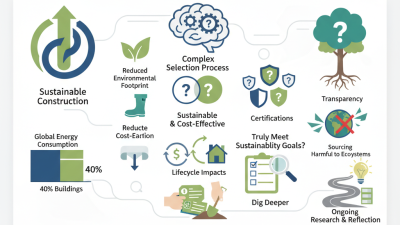
Challenges remain in the cedar supply chain. Climate change impacts wood availability. Deforestation concerns linger, prompting a need for monitoring. Buyers need reliable suppliers who prioritize sustainability. Investing in certifications enhances credibility. Transparency in sourcing fosters trust among buyers and sellers.

2026 Top Cedar Supply Trends for Global Buyers

The chart above illustrates the projected cedar supply for 2026 across different global regions. This data reflects the emerging trends in cedar availability and highlights potential opportunities for buyers in the global market.

Sustainable Sourcing Practices for Cedar in International Markets

Sustainable sourcing is becoming crucial for cedar suppliers in international markets. Current reports indicate that global demand for sustainably sourced cedar wood is projected to reach $3 billion by 2026. This shift reflects growing consumer concern for the environment. As buyers seek eco-friendly products, cedar is in the spotlight.

Challenges in sustainable sourcing persist. For instance, over-harvesting in certain regions threatens cedar availability. Data shows that forests may take decades to recover after excessive logging. Buyers must prioritize suppliers that adhere to sustainable practices. Transparency in sourcing is essential for building trust and ensuring ethical supply chains.

Not all certification programs guarantee sustainability. Research suggests that 30% of certified wood may not meet rigorous environmental standards. A careful examination of certifications helps buyers make informed choices. Involving local communities in sourcing efforts can aid in better forest management. Collaboration enhances the sustainability of cedar supply chains while fostering economic development.

Technological Innovations Impacting Cedar Supply Chains

Technological innovations are redefining cedar supply chains globally. From source tracking to automated processing, technology boosts efficiency and transparency. GPS and blockchain tech allow buyers to trace the origin of cedar. This ensures sustainable sourcing practices. As concerns over deforestation grow, these tools are vital for ethical supply chains.

Tips: Consider the benefits of real-time data tracking. It can enhance decision-making and improve logistics. Engaging with suppliers who leverage these technologies can lead to more reliable partnerships.

Furthermore, machine learning is revolutionizing forecasting methods. Predictive analytics helps identify market trends. However, not every tech solution is foolproof. Some companies face integration issues or high costs. It's essential to assess the value each technology brings before commitment.

Tips: Start small with pilot projects. Measure outcomes carefully before scaling efforts. Technology should streamline processes, not complicate them. Engaging with industry experts can provide guidance on best practices.

Consumer Preferences Shaping Cedar Product Offerings Worldwide

Consumer preferences are shaping the cedar product market significantly. As buyers become more eco-conscious, they seek sustainably sourced cedar options. This shift has led producers to prioritize environmental responsibility. More consumers are interested in the origins of their materials. They prefer brands that openly share sourcing practices.

Tips: Look for certifications. A trustworthy certification can ensure responsible sourcing. It's a simple step for conscious consumers.

Furthermore, aesthetics play a vital role. The natural beauty of cedar's grain and color attracts buyers. Consumers often choose based on visual impact. This trend pulls manufacturers toward innovative design and high-quality finishes. However, it's important to balance aesthetics with durability and functionality.

Tips: Consider texture. A smooth finish may be visually appealing, but rough textures can offer practicality for outdoor use.

While trends are evident, not every brand adapts effectively. Some may overlook consumer feedback. This oversight can lead to a disconnect from the desires of their clientele. Remaining attuned to preferences can enhance market relevance and long-term success.

Key Suppliers and Manufacturers in the Global Cedar Market for 2026

As global buyers explore cedar options in 2026, understanding key suppliers and manufacturers becomes essential. The cedar market is diverse and has numerous players. Suppliers often differ in regions, specialties, and wood grades. Factors such as sustainability practices and production techniques heavily influence choices.

Many manufacturers prioritize eco-friendly sourcing. This practice not only appeals to environmentally-conscious buyers, but also aligns with global sustainability goals. However, some suppliers still struggle with transparency in their sourcing methods. Understanding these dynamics can help buyers make informed decisions.

Additionally, price fluctuations occur based on various market factors. Demand for cedar in construction and manufacturing continues to rise. Yet, uncertainties in availability may impact pricing. Buyers must remain vigilant and adaptable. Keeping abreast of industry shifts is necessary for making sound purchasing choices.