What is Discount Lumber and How to Buy It Effectively?
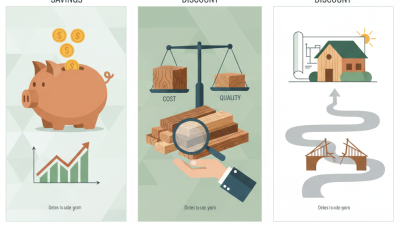
The concept of discount lumber has gained traction in recent years, attracting both DIY enthusiasts and contractors. Joe Smith, an industry expert with over 20 years of experience, emphasizes the importance of choosing wisely. He states, "Discount lumber can save you money, but quality matters." Understanding what constitutes discount lumber is crucial for effective buying.
Discount lumber often includes remnants or wood that may not meet the exacting standards of higher-priced offerings. This can lead to significant savings, but buyers must inspect quality. Many may overlook minor flaws that can affect a project later. Additionally, knowing where to buy discount lumber is essential. Local suppliers and online marketplaces often offer diverse selections, but diligence in research is key.
Navigating the world of discount lumber can be tricky. It requires an eye for detail and a willingness to question quality. Buyers must weigh the cost against expected longevity. In a market where appearances can be deceiving, being informed makes all the difference. Proper guidance and insight can turn discount lumber from a gamble into a smart investment.
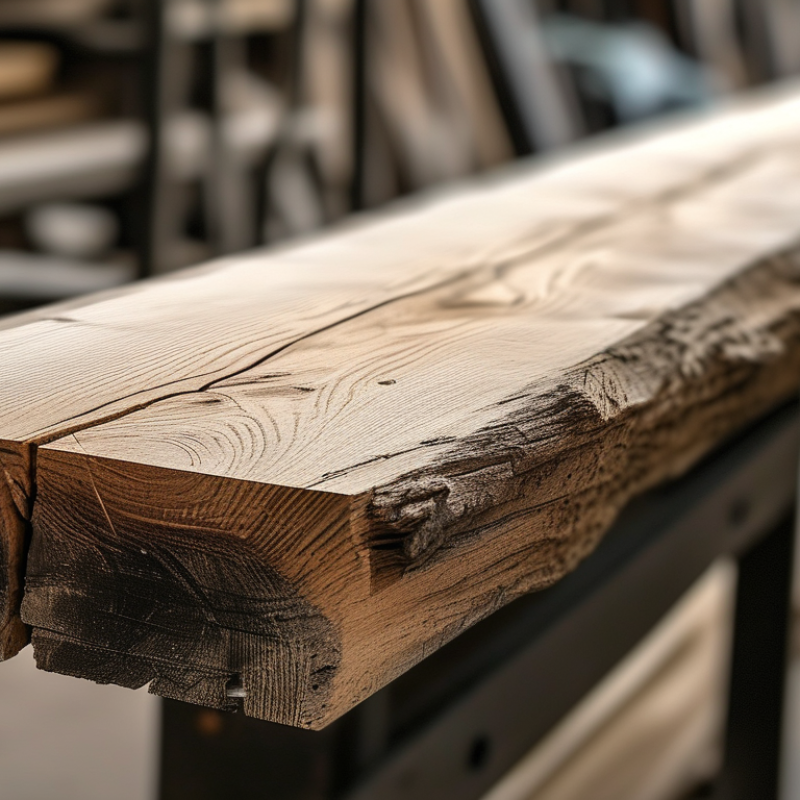
Understanding Discount Lumber: Definition and Types
Discount lumber refers to wood products sold at lower prices. This type of lumber is often sourced from overstock, damaged goods, or surplus inventory. It can be a great way to save money on construction or DIY projects. There are several types of discount lumber, including softwood, hardwood, and engineered wood. Each type serves different purposes and offers unique properties.
When purchasing discount lumber, it’s essential to understand its condition and quality. Inspect for defects, such as warping or knots, which may affect usability. Not all discount lumber is equal. Paying attention to these details can save time and resources later. Also, consider the moisture content, as it significantly impacts the lumber's longevity and performance. Some buyers may rush in, forgetting to make thorough checks. Each board should align with your project’s requirements for best results.
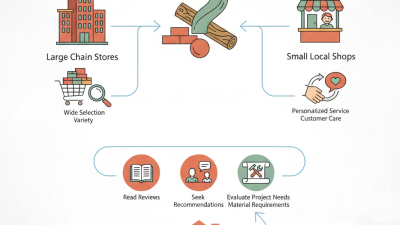
Explore local lumber yards and online marketplaces. Research the reputation of sellers to ensure reliability. Building trust with your suppliers can lead to better deals in the future. However, be cautious; buying discount lumber doesn’t mean compromising quality. Experience shows that careful selection often yields excellent results without breaking the bank. Balancing cost and quality can be challenging but is key to a successful project.
Market Trends for Discount Lumber: Prices and Availability
Discount lumber has gained popularity among builders and DIY enthusiasts seeking affordability. Current market trends indicate fluctuating prices and varying availability. Recent data shows that prices can drop significantly during off-peak seasons. This trend allows buyers to seize great deals if they act quickly.
Availability issues can arise, particularly in high-demand areas. The supply chain has been unpredictable recently, affecting delivery times. Local suppliers may have a more stable inventory compared to large retailers. It’s essential to explore local options and build relationships with suppliers. This connection might lead to better insights into upcoming price changes and stock availability.
Some buyers overlook quality when seeking discounts. Not all lower-priced lumber meets building standards. Inspecting each piece for defects can prevent future headaches. Buyers should also be prepared for slight variations in lumber size and quality. Risk management is crucial when choosing discount lumber. Making informed decisions will lead to a more successful purchasing experience.
Key Factors to Consider When Purchasing Discount Lumber
When purchasing discount lumber, several key factors come into play. Quality is crucial. Inspect each piece of lumber for defects, knots, and warping. Sometimes, discount does not mean inferior, but checking is essential. Understanding the grade of the lumber can guide your choice. Proper grading ensures it meets your project requirements.
Another important aspect is the sourcing of the lumber. Knowing where it comes from can indicate its reliability. Local suppliers may provide better options due to their knowledge of the local climate. Be cautious, as some suppliers may not disclose important details about their products.
Cost should always be considered, but don’t let it be your only focus. Sometimes the cheapest option might result in more expenses later. Think about the long-term performance of the lumber. After all, it’s not just about today’s savings. It’s about building a strong foundation for future projects.
Discount Lumber Price Comparison by Type
This chart compares the average price per board foot of various types of discount lumber, providing insight for effective purchasing decisions.
Where to Find Reliable Sources for Discount Lumber
Finding reliable sources for discount lumber can significantly impact your building projects. Industry reports indicate that up to 30% of construction budget can be spent on materials. Therefore, sourcing affordable lumber is crucial. Many people overlook local suppliers and small businesses. These often provide quality materials at lower prices.
Online marketplaces and auction sites offer a mix of options. However, do thorough research before purchasing. Reviews and ratings can help gauge reliability. Some sources might claim low prices but compromise quality. It's advisable to check for certifications or sustainability practices. Transparency in sourcing is key.
Attending local lumberyards or timber expos can also yield great deals. Networking with contractors helps in identifying trustworthy suppliers. It’s essential to build relationships for better pricing and availability. Not every source will meet your expectations, so it's wise to shop around. Some deals may look attractive but have hidden costs. Always calculate your total spend to avoid surprises.
Cost-Saving Tips for Buying Discount Lumber Effectively
When considering discount lumber, it's important to know where to find the best deals. According to the National Association of Home Builders, prices for lumber can fluctuate dramatically, often influenced by market demand. Buying in bulk can often lead to significant savings. Studies show that purchasing 50% more lumber than needed for a project could reduce costs per board. Just make sure you can store it properly.
Another tip is to explore reclaimed or salvaged wood. Reports indicate that up to 20% of new lumber sales are for reclaimed wood, which can offer both cost savings and unique character to projects. However, ensure that this wood is sourced from reputable suppliers to avoid potential issues. Inspect the wood carefully for signs of damage or rot. While finding a great deal is rewarding, inadequate quality could lead to expensive repairs later.
Timing your purchase is crucial too. The lumber market tends to decline during off-peak seasons, typically in winter. Buying at this time can reduce expenses, but always weigh current lumber quality against price. Not every discount is a bargain—sometimes, paying slightly more ensures you receive better quality materials. Experience shows that selecting the right lumber can lead to lasting results, highlighting the importance of careful evaluation.