China Top 10 Economy Lumber Suppliers for Global Buyers

China’s lumber market serves buyers seeking practical cost control, stable volumes, and flexible product specifications. This guide examines China’s top 10 economy lumber suppliers for global buyers. The phrase “economy lumber” does not mean inferior wood. It usually describes commercially efficient grades, common species, and products selected for price-sensitive construction or packaging projects. Quality still depends on moisture content, structural grading, milling accuracy, and documentation.

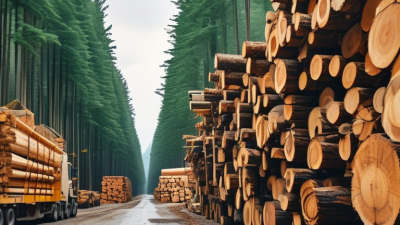
Industry reports support the market’s importance. The FAO Global Forest Resources Assessment 2020 records forests covering about 4.06 billion hectares worldwide. The USDA Foreign Agricultural Service’s China Wood Products Annual reports continued demand for imported and domestically processed wood products. ITTO’s Biennial Review and Assessment of the World Timber Situation also highlights Asia’s central role in timber processing and trade. These reports provide useful context, but they do not create an official ranking of Chinese suppliers.

Our selection therefore considers export experience, product range, production capacity, inspection practices, and buyer feedback. Certification may include FSC chain-of-custody documentation, while treatment records can support phytosanitary compliance. Buyers should still verify each certificate directly. Ask for recent moisture readings, clear grade descriptions, packing photos, and third-party inspection options.

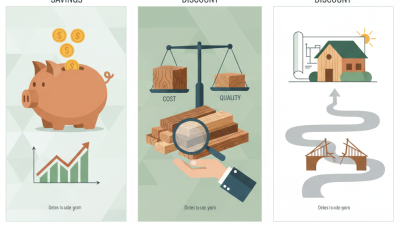
Price is only one part of the calculation. Freight distance, packaging quality, loading efficiency, and claim handling can change the final cost. Sometimes, the cheapest quotation is not economical. Supplier information can also change quickly, so this list should be treated as a starting point rather than a permanent verdict. Careful verification remains necessary before placing a commercial order.
China Top 10 Economy Lumber Suppliers for Global Buyers

What Defines an Economical Lumber Supplier in China

China Top 10 Economy Lumber Suppliers for Global Buyers

What Defines an Economical Lumber Supplier in China

An economical lumber supplier in China is not simply the one offering the lowest quotation. Cost must include timber quality, transport, waste, and replacement risk. Experienced buyers examine the full purchase cycle before approving a supplier. A cheap shipment can become expensive when boards arrive warped, damp, or incorrectly graded. Small details matter. Ask for species, moisture range, dimensions, grade rules, and packing methods. Request recent production photos and a physical sample before placing a large order.

Professional suppliers should explain how logs are sourced, sawn, dried, sorted, and protected during storage. Their documents should match the actual cargo. Moisture meters, calibrated equipment, and clear inspection records provide useful evidence. Independent pre-shipment inspection can reduce uncertainty, especially for first-time buyers. Still, paperwork is not proof of perfection. A supplier may have strong systems yet miss a few boards during busy seasons. That possibility deserves honest discussion, not polished promises.

Reliability also appears in communication. Can the supplier answer technical questions quickly and report delays before loading? Can it maintain agreed tolerances across repeated orders? Compare ten qualified suppliers using the same checklist. Review response speed, sample consistency, packaging strength, lead time, and after-sales handling. One overlooked cost is sorting labor at destination. Another is damage from weak corner protection. Buyers should record defects and challenge their own assumptions after every shipment.

Key Criteria for Evaluating Chinese Lumber Suppliers

China Top 10 Economy Lumber Suppliers for Global Buyers

Key Criteria for Evaluating Chinese Lumber Suppliers

Selecting a top Chinese lumber supplier requires more than comparing export prices. Start with evidence. Check the supplier’s business registration, production address, export history, and quality management records. Ask which wood species, grades, thicknesses, and moisture ranges they regularly produce. A reliable supplier should provide clear technical data, not vague claims.

Request recent samples from the same production line used for bulk orders. Measure thickness with a caliper and moisture with a calibrated meter. Inspect knots, warping, edge damage, surface sanding, and color consistency under natural light. Certification and legal timber documentation should match the actual shipment and destination market requirements. A factory visit, video inspection, or independent pre-shipment inspection can reveal equipment limits and storage problems.

Production capacity also matters. Confirm monthly output, drying kiln capacity, lead times, packaging methods, and container loading procedures. Ask for references from comparable international projects, while checking whether those references are current. Prices should identify lumber grade, tolerances, packaging, inspection costs, and delivery terms. Samples can mislead. Some suppliers send carefully selected boards. A written quality standard, approved sample, and remedy process reduce this risk. Communication is another practical test: delayed answers, changing specifications, or missing test records deserve attention. I have found that even experienced buyers sometimes focus too heavily on price and overlook moisture control, which can create costly claims after arrival.

China Top 10 Economy Lumber Suppliers for Global Buyers - Key Criteria for Evaluating Chinese Lumber Suppliers
Anonymous supplier benchmark profiles for preliminary sourcing comparisons; specifications, certifications, and commercial terms should be verified directly before purchase.
Rank Supplier Profile Primary Product Focus Common Species Typical Moisture Content Available Grade References Typical MOQ Typical Lead Time Export Documentation Sustainability Evidence to Request Key Evaluation Advantage
1 Supplier Profile 01 Structural softwood lumber Spruce, pine, fir 12%–18% European strength classes; buyer-specified grades 1 × 20-foot container 20–35 days Commercial invoice, packing list, bill of lading, phytosanitary documents where required FSC or PEFC certificate and chain-of-custody number Consistent construction-grade supply
2 Supplier Profile 02 Kiln-dried pine boards Radiata pine, Chinese pine 8%–14% Clear, common, utility, and custom visual grades 20–30 m³ 15–30 days Invoice, packing list, origin documents, fumigation record when applicable Legal-harvest declaration and third-party certification Flexible dimensions and competitive volume pricing
3 Supplier Profile 03 Finger-jointed and laminated lumber Pine, fir, poplar 8%–12% Visual grade, strength-tested, furniture-grade 10–20 m³ 25–40 days Invoice, packing list, test report, bill of lading Wood-origin records and adhesive compliance documents Higher material yield and reduced natural defects
4 Supplier Profile 04 Hardwood boards and squares Oak, ash, beech 8%–12% FAS, Select, common, and buyer-approved grades 1–2 containers 30–50 days Invoice, packing list, origin declaration, phytosanitary documents where required Species identification and legal-sourcing documentation Suitable for furniture and interior applications
5 Supplier Profile 05 Outdoor decking lumber Pine, eucalyptus, hardwoods 12%–18% Decking profiles; slip-resistance and treatment specifications 20–25 m³ 25–45 days Invoice, packing list, treatment certificate, bill of lading Treatment chemicals, emissions, and responsible-sourcing records Profile customization and exterior-use options
6 Supplier Profile 06 Packaging and pallet lumber Pine, poplar, fir 16%–22% Industrial, utility, and pallet component grades 25–35 m³ 15–25 days Invoice, packing list, heat-treatment mark records, bill of lading ISPM 15 heat-treatment evidence and source records High-volume supply and simple specifications
7 Supplier Profile 07 Scaffold and formwork timber Fir, pine, poplar 18%–25% Construction, utility, and reusable formwork grades 1 container 15–30 days Invoice, packing list, origin documents, fumigation record when applicable Harvest legality and pest-control documentation Cost-efficient material for temporary structures
8 Supplier Profile 08 Interior and joinery boards Poplar, pine, rubberwood 8%–12% Clear, knotty, paint-grade, and furniture-grade 10–20 m³ 20–40 days Invoice, packing list, moisture report, bill of lading Formaldehyde and adhesive compliance documentation Good dimensional consistency for interior work
9 Supplier Profile 09 Engineered structural wood Spruce, pine, fir 10%–14% Strength-tested, glued-laminated, and project-specific grades 15–25 m³ 35–60 days Invoice, packing list, structural test report, bill of lading Adhesive standard, production traceability, and chain-of-custody evidence Engineering support and custom load requirements
10 Supplier Profile 10 Reclaimed and appearance-grade lumber Pine, oak, elm, mixed hardwoods 8%–16% Character, rustic, reclaimed, and custom visual grades 5–15 m³ 30–60 days Invoice, packing list, origin declaration, treatment documents where required Reclaimed-material chain of custody and contaminant inspection records Distinctive appearance and smaller trial-order flexibility
Buyer verification checklist: Confirm current product photographs, moisture readings, species declarations, grade certificates, treatment records, export history, container loading plans, payment terms, inspection procedures, and applicable destination-country import requirements.

Profiles of China’s Top 10 Economical Lumber Suppliers

China’s top ten economical lumber suppliers differ by species, processing, and delivery strength. One profile focuses on kiln-dried radiata pine for pallets and light construction. Another supplies poplar panels and short-length boards for furniture parts. Several specialize in eucalyptus, rubberwood, or Chinese fir. Two are stronger in finger-jointed and edge-glued lumber. The remaining suppliers often combine domestic timber with imported logs, offering flexible grades and modest minimum orders.

FAO’s Global Forest Resources Assessment 2020 recorded China’s forest area at about 220 million hectares. However, domestic supply cannot cover every industrial requirement. The ITTO Biennial Review 2023 also identifies China as a major tropical timber importer. This explains why economical suppliers often depend on mixed sourcing, port access, and efficient drying. The UNECE/FAO Forest Products Annual Market Review 2023–2024 reported weaker global wood demand, creating negotiation opportunities for careful buyers. Prices still vary sharply by moisture content, knots, thickness, and certification. Cheap is not always efficient.

Tips: Request recent moisture readings, grading photos, bundle dimensions, and a trial shipment. Check whether the quoted price includes fumigation, inland transport, and export documents. A 2% defect allowance may sound small, but it can reduce usable volume significantly. Inspect the packing list against the actual bundle. Supplier rankings change quickly. That part deserves reflection.

Product Quality, Certifications, and Export Capabilities

China Top 10 Economy Lumber Suppliers for Global Buyers

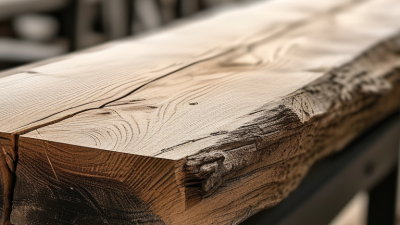
For global buyers, low pricing should never replace measurable quality. The FAO Global Forest Resources Assessment 2020 records about 4.06 billion hectares of forest worldwide. This scale makes legal origin and traceability essential. Leading Chinese lumber suppliers should provide species identification, moisture readings, grading records, and batch photographs. Kiln-dried boards should arrive near the agreed moisture range, not merely look clean. Small defects matter.

Certifications strengthen buyer confidence. FSC reported more than 160 million hectares of certified forest worldwide in 2023, while PEFC reported over 296 million hectares in its 2023 review. Buyers should verify certificate numbers through official databases. ISO 9001 can support process control, but it does not prove timber legality or structural performance. That distinction is often missed.

Export capability is equally practical. Suppliers should show fumigation documents, packing specifications, container-loading photos, and experience with destination-country rules. China’s wood-product trade is tracked through UN Comtrade and reviewed in USDA Foreign Agricultural Service timber reports. These sources help buyers compare export patterns and product categories. Yet paperwork can still contain gaps. Ask for recent inspection records, not old certificates. A supplier may offer excellent samples but inconsistent production. That is the uncomfortable part. Require a pre-shipment inspection, clear tolerances, and a written remedy for warped or damaged lumber.

China Top 10 Economy Lumber Suppliers for Global Buyers

Product Quality, Certifications, and Export Capabilities Benchmark

The chart presents a non-company-specific benchmark for ten anonymous supplier profiles. Scores are based on commonly used international buyer criteria, including product consistency, moisture and grading control, certification readiness such as FSC or PEFC chain of custody, documentation quality, container-loading capability, and export experience. The index ranges from 0 to 100 and should be validated through supplier audits and document checks.

How Global Buyers Can Select the Right Supplier

When comparing China’s top economy lumber suppliers, global buyers should start with application, not price. A cheap board can fail in a wet warehouse. Request the species, grade, dimensions, moisture range, and allowable defects in writing. Ask for current production photos, batch records, and a small pre-shipment sample. Samples reveal more than polished catalogs. Check whether the sample matches the contract.

For construction lumber, verify grading rules, kiln-drying data, treatment records, and export documentation. An independent inspection can measure moisture, thickness, warping, and visible damage before loading. A supplier that welcomes measurements is easier to trust. Look for stable capacity, clear lead times, and practical answers about rejected boards. Silence is a warning. Compare landed cost, including packing, inland delivery, port charges, duties, and inspection fees.

Confirm pallet dimensions and container loading plans. Wasted space can erase a low unit price. Use a written quality agreement with tolerances, replacement terms, and photo evidence requirements. Payment stages should match production milestones. Do not rely on verbal promises. A trial order is safer than a large first shipment. Still, no checklist catches everything. Weather, raw-material changes, and rushed loading can affect results. Keep a retained sample from each batch and record moisture readings on arrival. This evidence supports fair discussions when quality varies, although it may not prevent every dispute.