How to Choose the Best Roofing Supply for Your Home in 2026?

Choosing roofing supply for your home in 2026 requires careful consideration. The roofing industry reports a 15% increase in demand due to climate change concerns. Homeowners seek durable materials that withstand extreme weather.

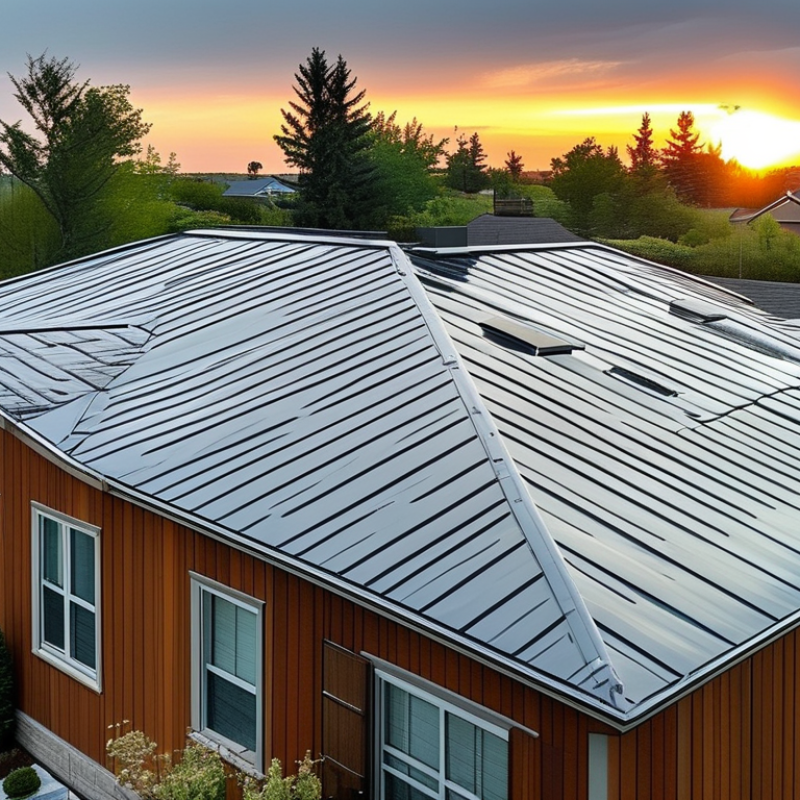
When selecting roofing supplies, prioritize materials that offer longevity and efficiency. Recent studies show that metal roofing can last over 50 years, significantly reducing long-term costs. However, many overlook the importance of thermal performance. High-quality insulation can enhance comfort and reduce energy bills.

It’s easy to become overwhelmed by choices. Some homeowners may choose based on price alone. This can lead to regrettable decisions. Always consider expert recommendations. Trusted suppliers often provide insights on the best options for your specific climate and budget. Balancing cost and quality is essential for lasting satisfaction.
How to Choose the Best Roofing Supply for Your Home in 2026?

Understanding Your Roofing Needs for 2026

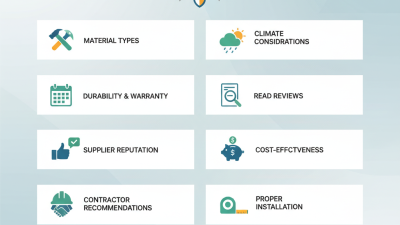
When choosing roofing supplies for your home in 2026, understanding your specific needs is essential. First, consider your local climate. For example, in areas prone to heavy rainfall, materials with high resistance to water damage are crucial. According to the National Roofing Contractors Association, over 20% of all roofing issues stem from inadequate material selection. This statistic underscores the importance of knowing what will withstand local weather conditions.

Next, assess the lifespan of materials. Asphalt shingles typically last around 15-30 years. In contrast, metal roofing can last up to 50 years. This difference means that investing in more durable materials might save you money in the long run. A recent study by the National Association of Home Builders found that homeowners often underestimate the long-term benefits of durable materials. Only 28% of homeowners plan for their roofing to last more than two decades.

Moreover, consider your home’s architectural style. Certain materials may complement styles better than others. For instance, slate can enhance traditional homes, while modern designs might suit metal. While experts agree on the importance of aesthetics, it’s often overlooked. Noting how materials visually impact your home can lead to a more satisfying choice. Reflecting upon these factors can be complex, but knowing your needs is the first step towards a sound decision.

How to Choose the Best Roofing Supply for Your Home in 2026? - Understanding Your Roofing Needs for 2026

Roofing Material Lifespan (Years) Cost per Square Foot ($) Energy Efficiency Maintenance Level
Asphalt Shingles 15-30 $1.50 Moderate Low
Metal Roofing 40-70 $5.00 High Medium
Tile Roofing 50-100 $6.00 High Medium
Wood Shingles 20-25 $4.00 Moderate High
Slate Roofing 75-200 $10.00 Very High Low

Evaluating Different Types of Roofing Materials Available

When considering roofing materials, various options exist. Each type has unique benefits and drawbacks. Asphalt shingles, for example, are affordable and widely available. They offer decent durability but may require frequent replacements. Over time, homeowners might face unexpected costs for repairs.

Metal roofing is another option gaining popularity. It's durable and can withstand extreme weather. Reflective properties help reduce cooling costs. However, installation can be pricier than traditional materials. Additionally, some homeowners might find the sound of rain on metal to be an issue.

Tile roofing, often made from clay or concrete, provides excellent longevity. These materials can last decades if maintained properly. However, their weight requires additional structural support. This could mean extra costs. Overall, choosing the right roofing material involves careful consideration of your home’s needs. Make a list of pros and cons for clarity. Researching local climate will aid in making a better choice.

Assessing Local Climate and Environmental Factors

When selecting roofing supplies for your home in 2026, local climate and environmental factors play a crucial role. Different materials perform uniquely under various weather conditions. For example, areas with heavy snowfall require roofing that can withstand significant weight. According to the National Roofing Contractors Association (NRCA), roofs in snowy regions should have a pitch of at least 4:12 to allow proper drainage. This aspect prevents ice dams and potential water damage.

Temperature fluctuations can also affect the longevity of roofing materials. For instance, asphalt shingles may crack in extreme heat, while metal roofs can expand and contract, leading to seams opening over time. Research from the National Association of Home Builders (NAHB) indicates that homes in coastal areas should opt for corrosion-resistant materials. The salty air accelerates wear and tear on less durable options. Choosing materials engineered for specific climates enhances durability and saves on future maintenance costs.

Environmental factors, such as tree coverage, can influence your choice as well. Overhanging branches may lead to debris accumulation, requiring more resistant roofing materials. According to a report by the Roofer's Digest, homes surrounded by trees often need frequent cleaning. This maintenance can be costly and impact the lifespan of certain roofing types. Consider these elements carefully to choose a reliable option for your home.

Researching Suppliers and Quality Certifications

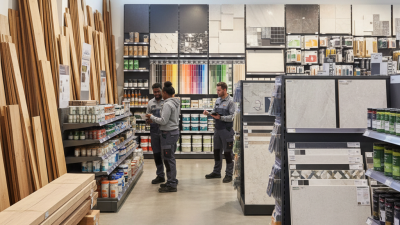
When selecting roofing supplies for your home, researching suppliers is essential. Look for local suppliers with a solid track record. A good reputation often hints at reliability. Assess their experience in the industry. The longer they've been in business, the more likely they understand your needs.

Check for quality certifications. These certifications indicate that the products meet specific standards. Ensure that any roofing materials you consider comply with local building codes. Not all suppliers will offer certified products, so don’t hesitate to ask. It shows you care about quality.

Tip: Ask for recommendations from friends or contractors. Personal experiences can reveal a lot. Another tip is to visit suppliers in person. Examine the materials and talk to the staff. Their expertise might help clarify your choices. Remember, a little research can lead to informed decisions.

Budgeting and Cost Considerations for Roofing Supplies

When budgeting for roofing supplies in 2026, understanding costs is vital. The National Roofing Contractors Association (NRCA) reports that average roofing material costs have risen by 5-10% annually over the past five years. This trend suggests that homeowners must prepare for increased expenses. Quality materials like asphalt shingles or metal roofing can impact long-term expenses due to differing lifespans.

Consider how labor costs interact with material selections. Labor makes up around 60% of total roofing expenses. Skilled labor is essential for ensuring quality installation. If you choose cheaper materials, you may face higher replacement costs sooner. Evaluate the trade-offs carefully.

Tips: Research various suppliers for price comparisons. Investigate bulk purchase options to save money. Always factor in potential hidden costs, such as disposal fees or underlayment needs. Planning thoroughly can help mitigate unexpected expenses as you proceed with your roofing project.

Budgeting and Cost Considerations for Roofing Supplies in 2026