10 Essential Tips for Sourcing Contractor Supply Efficiently

In the contractor supply industry, efficiency is key. As expert John Smith, a leader in contractor supply logistics, states, "Streamlined sourcing can save time and money." This insight emphasizes the importance of effective supply strategies.

Contractors often face challenges in sourcing materials. Delays in supply can halt projects, leading to increased costs. Efficient sourcing is not just about finding suppliers; it's about building relationships. Trust must be established, and communication needs to be clear.

The right tips can improve sourcing strategies. Understanding market trends is essential. It can help contractors anticipate needs and avoid shortages. However, not all sourcing experiences are smooth. Mistakes happen. Learning from them is crucial for improvement. Each lesson allows for better decision-making in the ever-evolving contractor supply landscape.

10 Essential Tips for Sourcing Contractor Supply Efficiently

Understanding Contractor Supply Chain Dynamics and Trends

Understanding contractor supply chain dynamics is crucial for efficient sourcing. The supply chain is not just a linear process; it is a multifaceted system. Analyzing this complexity helps in making informed decisions. The dynamics often shift due to market fluctuations and technological advancements. Noticing these trends can give contractors a significant advantage.

Many contractors overlook the importance of supplier relationships. Efficient communication with suppliers fosters trust and can lead to better pricing. Trust prevents miscommunication, which can cause delays. Contractors should also consider diversifying their suppliers. Relying too heavily on one source can be risky. If that supplier faces issues, project timelines could suffer.

Sourcing strategies need flexibility to adapt in real time. New awareness of sustainable practices is reshaping sourcing methods. Many are exploring eco-friendly materials. But, transitioning to these practices is not always seamless. Contractors must assess the costs and benefits carefully. Reflection on past sourcing failures can guide future decisions and spur innovation. Embracing a proactive approach is essential in an unpredictable environment.

Assessing Supplier Credentials and Performance Metrics

When sourcing contractors, assessing supplier credentials is crucial. Credentials include their certifications, years of experience, and past projects. A well-documented history indicates reliability. Look for suppliers with relevant industry qualifications. Always verify these credentials through independent sources. This can prevent future issues and add a layer of trust.

Performance metrics should also be analyzed. Evaluate their delivery times, quality standards, and customer feedback. This data reveals their efficiency and responsiveness. A supplier may have impressive credentials but fail in execution. Documented feedback from previous clients can provide insights that numbers alone cannot.

Consider visiting their facilities if possible. A personal touch fosters relationships. It can illuminate aspects of their operations that numbers don’t capture. Make notes on your observations; this reflection can guide future decisions. Keep in mind that perfection is rare in any supplier. Regularly reassessing their performance can help maintain high standards. Aim for improvement rather than expecting flawlessness.

10 Essential Tips for Sourcing Contractor Supply Efficiently - Assessing Supplier Credentials and Performance Metrics

Supplier Credentials Verified Performance Score Delivery Time (Days) Financial Stability
Supplier A Yes 85 7 Stable
Supplier B No 90 5 Unstable
Supplier C Yes 78 10 Stable
Supplier D Yes 88 6 Stable
Supplier E No 82 9 Stable

Leveraging Technology for Efficient Supply Coordination

10 Essential Tips for Sourcing Contractor Supply Efficiently

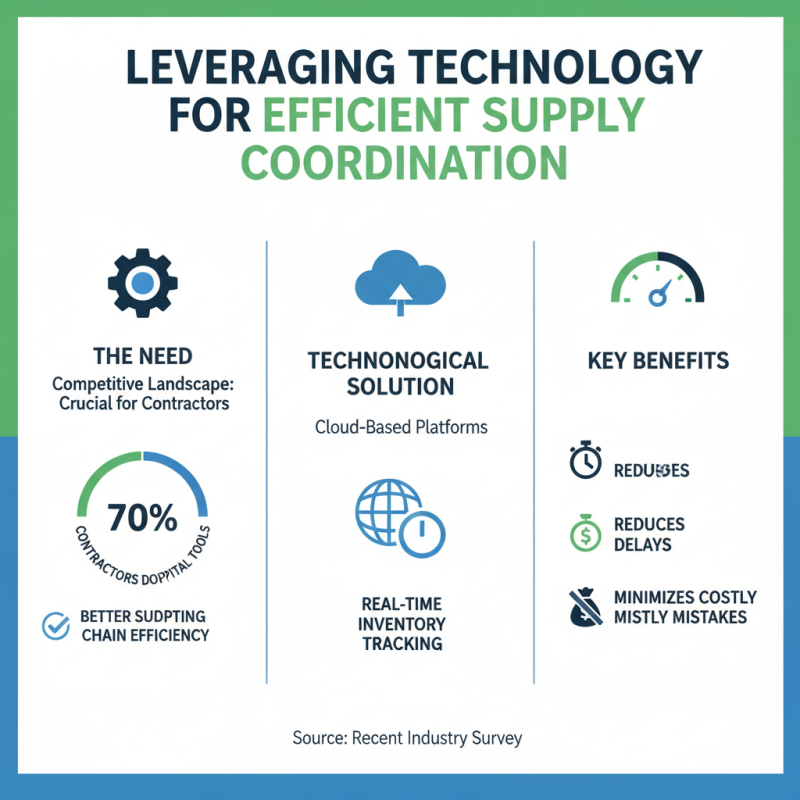
In today's competitive landscape, leveraging technology for supply coordination is crucial for contractors. A recent survey revealed that 70% of contractors are adopting digital tools for better supply chain efficiency. Using cloud-based platforms can help track inventory in real-time. This not only reduces delays but also minimizes costly mistakes.

Mobile applications allow teams to communicate instantaneously. They streamline ordering processes and reduce manual errors. According to industry reports, implementing these technologies can lead to a 25% improvement in operational efficiency. However, many contractors still rely on outdated systems. This reliance on legacy processes can hinder growth and adaptability.

Automation can enhance procurement efficiency. Yet, many businesses face challenges in integration. A significant number of contractors report concerns about the learning curve associated with new technology. Investing in employee training is essential but often overlooked. Emphasizing a user-friendly experience is vital for maximizing technology's benefits.

Implementing Sustainable Procurement Practices in Contracting

10 Essential Tips for Sourcing Contractor Supply Efficiently

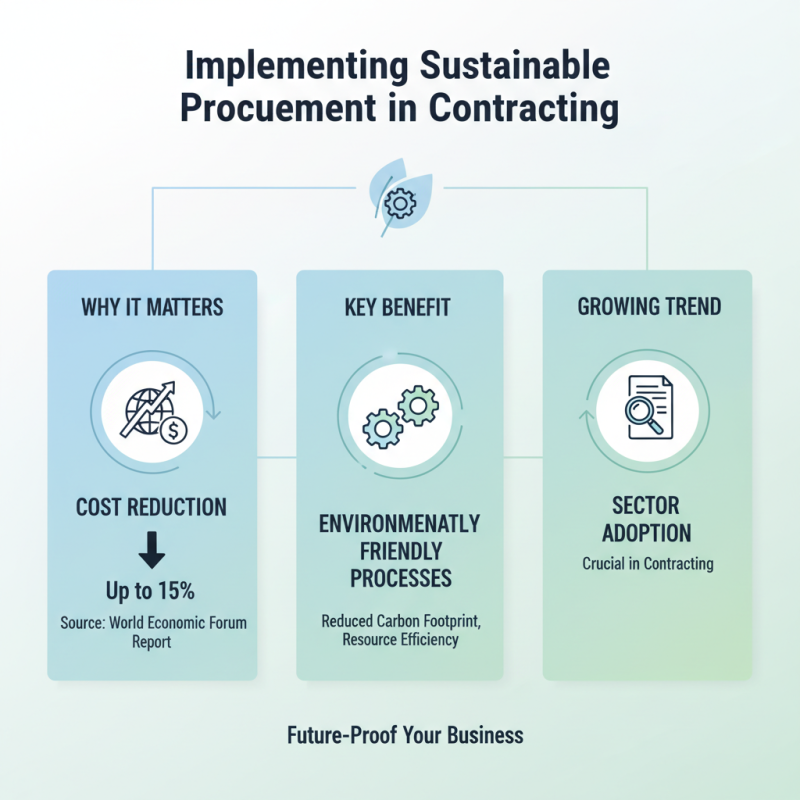
Sustainable procurement practices are becoming crucial in the contracting sector. A recent report by the World Economic Forum highlights that companies integrating sustainability in their supply chains can reduce costs by up to 15%. This data reflects a growing acknowledgment of the need for environmentally-friendly processes.

When sourcing contractor supplies, consider suppliers who practice sustainability. Searching for materials with minimal environmental impact is essential. Research shows that eco-friendly materials can lead to savings over time. A study by McKinsey found that firms utilizing sustainable methods see a 20% boost in operational efficiency. Remember, efficient sourcing is not just about cost; it involves ethical decisions.

However, implementing sustainable practices can present challenges. Many contractors may lack access to local suppliers of eco-friendly materials. Others might face pressure to keep costs low, sometimes sacrificing sustainability. It's vital to address these gaps. Training and education on sustainable practices are necessary to navigate these obstacles effectively. Reflecting on current procurement strategies can lead to improved outcomes.

Navigating Regulatory Compliance in Contractor Supply Acquisition

Navigating regulatory compliance in contractor supply acquisition can be challenging. Governments and agencies often have strict guidelines. Familiarizing yourself with these regulations is crucial. This knowledge prevents delays and costly mistakes.

Tip: Always verify if your suppliers have up-to-date certifications. Non-compliance can lead to legal issues. Additionally, maintain thorough records of all transactions. This practice enhances transparency and accountability.

Understanding local laws is essential. Each region may have specific requirements. Ignoring these can result in penalties. Regular audits of your supply chain can reveal compliance gaps.

Tip: Implement a checklist for compliance review. Regularly updating this checklist ensures your team stays informed. This approach promotes a culture of compliance, reducing the chances of oversights.