What Are the Best China Warehouse Contractors in Long Beach?

Choosing the best China warehouse contractors in Long Beach requires more than comparing hourly rates. The Port of Long Beach handled 9,469,572 twenty-foot equivalent units in 2024, according to its annual cargo data. That scale creates constant pressure on drayage, transloading, storage, and inventory accuracy. A delayed appointment can leave cartons waiting beside a dock, while a small labeling error can disrupt an entire retail shipment.

This guide evaluates contractors warehouse long beach buyers should consider through practical, measurable criteria. These include warehouse location, port access, bonded storage capability, warehouse management systems, labor coverage, cargo insurance, and documented safety procedures. CBRE’s U.S. Industrial and Logistics Market Outlook continues to show strong demand for well-located logistics facilities, even as vacancy conditions change. JLL’s industrial research also emphasizes the value of network flexibility and technology-enabled fulfillment.

The strongest contractor is not always the largest one. It may be the team that answers quickly, photographs damaged pallets, and explains receiving cutoffs clearly. Experience matters, but evidence matters more. We will examine service records, operating capacity, transparent pricing, and customer communication. Some comparisons will remain imperfect because contractors disclose different information. That limitation deserves attention. A polished website cannot replace a site visit, reference check, or review of actual operating procedures. This introduction therefore treats “best” as a practical decision, not a permanent ranking.
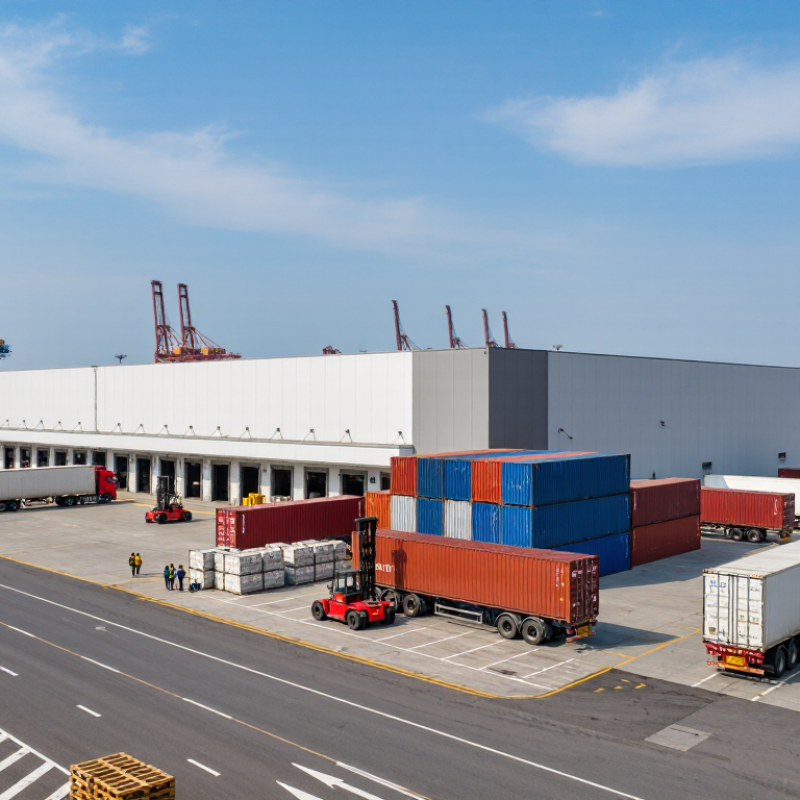
What Are the Best China Warehouse Contractors in Long Beach?

What Services Do China Warehouse Contractors in Long Beach Provide?

China warehouse contractors in Long Beach support cargo moving from ocean terminals to final customers.
The Port of Long Beach reported more than 9.5 million TEUs handled in 2024. That volume increases pressure on receiving speed and inventory accuracy. Good contractors coordinate drayage appointments, unload containers, and check cartons against purchase orders. They also photograph damage before goods enter storage. Small details matter.

Their warehouse services often include palletizing, relabeling, barcoding, kitting, and order fulfillment. Some facilities provide short-term transloading near the port. Others offer climate-controlled storage for sensitive products.

The 2024 U.S. industrial market reports recorded elevated warehouse vacancy compared with the previous year, but suitable space remains uneven across Southern California. Contractors should therefore explain storage limits, handling fees, and available dock hours clearly.

A low quoted rate can hide detention, rework, or peak-season charges.

Experienced teams also support lawful customs documentation and coordinate with licensed brokers. They should maintain lot records, cycle counts, access controls, and written procedures for recalls.

The 2024 ASCM Supply Chain Trends report emphasizes visibility and resilience as major operational priorities. In practice, clients need usable dashboards, not impressive promises.

I would still verify every inventory report manually during the first month. Errors happen. A reliable contractor welcomes that review and corrects weak processes before volume increases.

Which China Warehouse Contractors Serve Long Beach Importers?

China warehouse contractors serving Long Beach importers usually combine origin warehousing, export coordination, and a U.S. 3PL partner. Their China facilities may sit near Shenzhen, Ningbo, Shanghai, or Qingdao, while Long Beach operations handle drayage, storage, inspection, and order fulfillment. Ask for the exact U.S. warehouse address, not only a China office.

The Port of Long Beach reported handling more than 9.5 million TEUs in 2024. That volume creates pressure on appointment scheduling, chassis access, and container unloading. A capable contractor should explain its daily receiving capacity, average devanning time, inventory accuracy, and escalation process. The 2024 U.S. warehouse market data from CBRE showed continued demand for logistics space, but availability varied by location. This matters because a warehouse several miles inland can reduce congestion, yet increase trucking costs.

Look for contractors with documented customs-broker coordination and cargo-insurance procedures. Verify their warehouse management system through a live inventory demonstration. Small details matter: barcode scans at receiving, photographs of damaged cartons, and carton-level counts before dispatch. The Council of Supply Chain Management Professionals’ 2024 logistics report continues to identify transportation and inventory control as major cost concerns. Pricing alone is not enough.

Some contractors publish impressive transit estimates. Treat them carefully. Port congestion, rail delays, and seasonal import surges can change performance quickly. Request twelve months of measurable service data, although many providers may not share it. That limitation deserves attention. A practical trial shipment can reveal more than a polished sales presentation.

How Should Businesses Compare Long Beach Warehouse Contractors?

Businesses should compare Long Beach warehouse contractors through measurable operating evidence, not attractive pricing alone. The Port of Long Beach handled more than 8 million twenty-foot-equivalent units in 2023, according to its annual statistics. That volume creates pressure on drayage timing, dock scheduling, and inventory accuracy. Ask each contractor for recent receiving times, order accuracy, damage rates, and peak-season capacity. Request three months of anonymized performance records.

Cost also requires careful testing. The 2024 State of Logistics Report placed U.S. business logistics costs near 8.8% of gross domestic product. Small handling errors can therefore become expensive quickly. Compare storage fees, unloading charges, labor surcharges, accessorial fees, and transportation coordination costs in one worksheet. Then review the warehouse management system, barcode controls, cycle-count process, and emergency communication procedures. A live site visit matters. Look for clear aisle markings, organized staging areas, working scanning devices, and visible safety routines.

A strong contractor should offer service-level agreements with practical remedies. These may cover inventory accuracy, same-day receiving updates, order cut-off times, and claims response. Check insurance certificates and customer references carefully. Do not accept vague promises. A short pilot with limited inventory can reveal weaknesses that presentations hide. My own caution is simple: the lowest quote may still be the costliest choice. Some comparisons also overlook seasonal labor shortages, which can quietly damage service during holiday surges.

What Are the Best China Warehouse Contractors in Long Beach? - How Should Businesses Compare Long Beach Warehouse Contractors?

Comparison Dimension What Businesses Should Compare Practical Benchmark or Requirement Evidence to Request
Location and Port Access Distance and travel time to the Port of Long Beach, Port of Los Angeles, major freeways, rail facilities, and local delivery zones. Obtain actual mileage and peak-period driving times rather than relying only on the warehouse address. Facility address, route map, average gate-to-warehouse time, and congestion contingency plan.
China Import Experience Experience handling ocean containers, commercial invoices, packing lists, purchase orders, and inbound shipments originating in China. The contractor should demonstrate documented procedures for import receiving, exception handling, and communication with customs brokers. Redacted process maps, sample receiving reports, escalation contacts, and customer references in a similar product category.
Warehouse Capacity Total usable square footage, pallet positions, floor-stacking capacity, shelving, and available expansion space. Capacity should be stated as usable storage capacity, not only total building size. Confirm peak-season availability. Current capacity report, warehouse layout, racking plan, occupancy rate, and peak-season allocation policy.
Receiving Performance Appointment scheduling, container unloading, carton counting, pallet inspection, labeling, and damage recording. Require a written receiving SLA covering appointment windows, discrepancy reporting, and receipt confirmation. Sample receiving SLA, receiving checklist, timestamped receiving report, and discrepancy-resolution workflow.
Transloading and Cross-Docking Ability to unload ocean containers, sort cargo, rebuild pallets, apply labels, and transfer freight without long-term storage. Compare standard and expedited transload turnaround times, labor assumptions, and container-size limitations. Process description, labor-rate sheet, turnaround-time report, and handling equipment list.
Inventory Accuracy SKU controls, lot or serial tracking, cycle counting, barcode scanning, quarantine handling, and inventory adjustments. Require a defined inventory-accuracy target and a documented process for investigating variances. Inventory-control policy, sample cycle-count report, adjustment log, and audit results.
Order Fulfillment Single-item picking, case picking, pallet picking, kitting, repacking, returns, and retail compliance labeling. Compare order cut-off times, same-day processing rules, error-handling procedures, and peak-period capacity. Sample order workflow, pick-and-pack SLA, quality report, and returns procedure.
Transportation Coordination Drayage coordination, chassis availability, appointment management, local delivery, intermodal transfers, and carrier selection. The contractor should clearly separate warehouse charges from drayage, detention, demurrage, fuel, and accessorial charges. Rate card, accessorial schedule, carrier-insurance information, and container tracking procedure.
Technology and Visibility Warehouse management system, barcode scanning, inventory portal, EDI/API connectivity, shipment tracking, and reporting. Systems should support real-time or near-real-time inventory updates and exportable transaction reports. System demonstration, integration documentation, user permissions, report samples, and cybersecurity controls.
Compliance and Customs Support Import documentation controls, customs-broker coordination, restricted-goods procedures, record retention, and audit readiness. Clarify which responsibilities belong to the warehouse, importer of record, customs broker, and freight forwarder. Compliance manual, responsibility matrix, record-retention policy, and customs-broker coordination process.
Facility Security Access controls, visitor logs, surveillance coverage, alarm response, cargo-seal procedures, and employee screening. Security controls should match cargo value, product sensitivity, and insurance requirements. Security policy, incident-response plan, insurance certificate, and facility walkthrough documentation.
Product Handling Capability Requirements for food, cosmetics, electronics, batteries, oversized goods, fragile products, hazardous materials, or temperature-sensitive inventory. Confirm whether the facility is legally and operationally equipped for the specific product category. Applicable permits, training records, storage specifications, safety data procedures, and excluded-product list.
Pricing Transparency Storage, receiving, unloading, palletization, picking, packing, labeling, returns, transportation, and administrative charges. Compare total landed operating cost using the same monthly volume, SKU count, pallet profile, and order profile. Itemized quotation, minimum monthly charges, fuel adjustments, accessorial fees, annual increases, and cancellation terms.
Service-Level Commitments Receiving timeliness, order accuracy, inventory accuracy, shipping timeliness, claims handling, and response times. SLAs should contain measurable targets, reporting frequency, escalation procedures, and remedies for repeated failures. Signed SLA, monthly KPI report, escalation matrix, and service-credit or corrective-action terms.
Scalability and Business Continuity Ability to handle seasonal peaks, port disruptions, labor shortages, system outages, emergencies, and sudden volume increases. Require documented backup procedures and a realistic capacity plan for peak months. Business-continuity plan, backup-site arrangements, staffing plan, disaster-recovery policy, and peak-volume assumptions.
Contract Flexibility Contract duration, minimum volume, notice period, rate-review mechanism, liability limits, and termination rights. Avoid commitments that do not reflect the business’s expected volume or seasonal profile. Full master services agreement, insurance requirements, liability clauses, and termination provisions.

Recommended comparison method: Use the same shipment history, SKU list, monthly pallet volume, order volume, and peak-season assumptions for every quotation. Score each contractor on cost, service reliability, port access, technology, compliance, and scalability before selecting the best operational fit.

What Factors Affect China Warehouse Contracting Costs?

For China-linked cargo moving through Long Beach, warehouse contracting costs vary widely.
Location matters. Facilities near the port often charge higher rent, but they can reduce drayage time and fuel expenses. A warehouse farther inland may offer cheaper space, yet congestion can create extra transport charges. Experienced contractors compare both costs before recommending a site.

Labor is another major factor.
Receiving cartons, checking quantities, photographing damage, labeling pallets, and preparing outbound orders require different skill levels. A basic storage agreement may exclude these services. Ask whether fees apply per pallet, carton, hour, or shipment. Clear pricing prevents unpleasant surprises. It also reveals how carefully a contractor manages daily warehouse work.

Storage duration affects the final invoice.
Seasonal inventory may need short-term space, while slower products can remain for months. Pallet dimensions, weight, stacking limits, and climate requirements also influence rates. Insurance, inventory software, security, and after-hours handling can add smaller charges. They matter.

Reliable contractors should explain dock schedules, inventory controls, safety procedures, and liability terms in writing.
Request sample invoices and recent performance data. A low quote may hide transfer fees or minimum monthly charges. I have seen buyers focus too heavily on rent and overlook handling costs. That mistake is understandable, but expensive. A careful review should include peak-season surcharges, contract cancellation terms, and realistic delivery volumes. Estimates are never perfect. Leave room for delays, damaged packaging, and changing shipment patterns.

How Can Companies Select the Right Warehouse Contractor?

For companies handling China-bound or China-origin cargo in Long Beach, choosing a warehouse contractor requires more than comparing hourly rates. Start by checking port experience, cargo-handling procedures, insurance coverage, and documented safety training. Ask how the team manages container unloading, pallet labeling, damaged cartons, and urgent rework.

Start with the fundamentals:
Port experience, safety procedures, insurance coverage, and cargo-handling controls.

Request recent customer references from businesses with similar shipment volumes. A reliable contractor should explain its warehouse management system in practical terms. Can staff scan each carton? Can managers provide inventory records the same day? Visit the facility if possible. Look for clear aisles, secured loading doors, working dock equipment, and visible fire-safety controls.

Details matter.

Review the service agreement line by line. Confirm storage fees, receiving charges, pallet costs, overtime rules, and claims procedures. Ask whether labor and equipment are available during seasonal surges. A low quote may exclude unloading delays or weekend handling. That mistake becomes expensive quickly.

In my experience, contractors sometimes promise flexible capacity before checking actual floor space. Treat that promise carefully.

Require measurable service standards, such as receiving accuracy, order turnaround time, and response windows for discrepancies.

Communication also deserves a test. Send several realistic questions before signing. Notice whether the contractor gives precise answers or vague reassurance. Companies working across time zones need clear contacts, bilingual documentation when necessary, and reliable escalation procedures. The best choice may not have the lowest price. It should provide evidence, consistent operations, and enough transparency for managers to challenge weak assumptions.