Best Building Supply Store in China for Global Buyers?

For global buyers, choosing the best building supply store in China is about more than comparing prices. It means checking product consistency, documentation, lead times, packaging, and communication before a shipment leaves the factory. A neat catalog is not proof of dependable supply. Ask for current specifications, recent product photos, and samples that match the goods you plan to order.

The stakes reach beyond procurement. The United Nations Environment Programme and GlobalABC reported that buildings and construction accounted for 37% of global energy- and process-related CO₂ emissions in 2022. That figure makes material choice, durability, and clear product information relevant to responsible sourcing. McKinsey Global Institute partner Jan Mischke and his co-authors described construction as “ripe for disruption” in their 2017 productivity report. For buyers, that is a reminder to improve how suppliers are assessed—not a guarantee that any one store will deliver.

Details matter. A tile sample may look uniform under showroom lights, while a full batch varies slightly in shade. A reliable supplier should explain tolerances and inspection options before payment. Buyers should also compare freight terms and delivery schedules, since a low unit price can hide costly delays. No checklist removes every risk. Still, careful questions make surprises less likely. This guide examines the qualities that distinguish a capable Chinese building supply store for international projects, and the practical checks buyers can use before placing an order.
Best Building Supply Store in China for Global Buyers?

What Is a Building Supply Store in China?

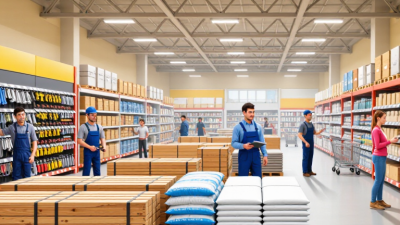
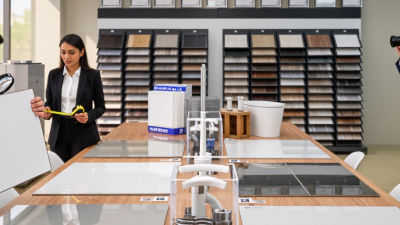
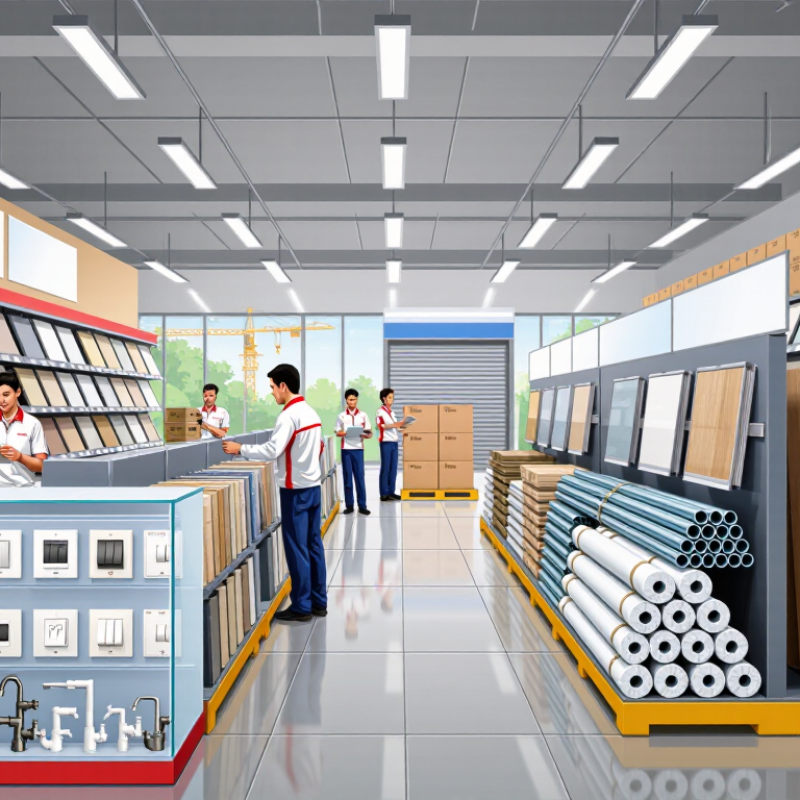
A building supply store in China can be a neighborhood retailer, a large wholesale outlet, or a supplier serving construction projects. It typically offers materials and hardware such as tiles, pipes, lighting, fasteners, flooring, and hand tools. Some locations carry products in stock, while others arrange production or delivery through nearby factories and distribution centers. On the floor, buyers may see tile samples beside cartons, or compare pipe fittings by size and material. The range varies widely.

For global buyers, the term does not guarantee one-stop shopping or export experience. Ask for item specifications, material grades, packing details, lead times, and written quotations before comparing suppliers. For example, a tile sample may look consistent, but color can vary between production batches; confirm how batch differences are handled. Check whether the store can coordinate inspections and shipping, or only sells goods locally. Small details get missed. I would not assume that a busy showroom means every listed item is readily available. Verify stock and documentation directly, and allow time for clarifying measurements and units.

Which Products Do Chinese Building Supply Stores Offer?

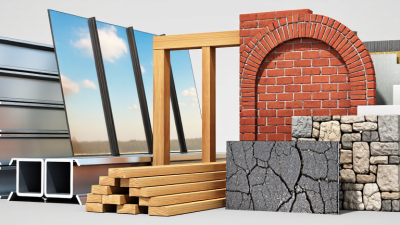
Chinese building supply stores often carry products for several stages of a project. Buyers may find ceramic and porcelain tiles, laminate or engineered flooring, bathroom fixtures, faucets, kitchen cabinets, doors, windows, and lighting. Many stores also stock pipes, valves, electrical fittings, fasteners, hand tools, and basic construction materials. Selection varies by city and supplier. A showroom may display one finish while its warehouse holds several sizes and grades.

For global buyers, product details matter as much as appearance. Check dimensions, material composition, surface finish, moisture resistance, and installation requirements before comparing prices. For example, a glossy tile may look bright under showroom lights but feel slippery when wet. Ask for samples, technical data sheets, packing details, and confirmation of the exact model being quoted. Export suitability and required documentation should be verified for the destination market. Small details matter. A mismatch can delay installation.

Tips: Compare samples in natural light, and confirm measurements in writing. Ask how products are packed for long-distance shipping. One easy mistake is assuming a display item represents the whole order. It may not. Reflect on whether the chosen finish suits daily use, not just the showroom.

How Can Global Buyers Evaluate a Chinese Supplier?

Choosing a Chinese building-supply supplier takes more than comparing unit prices. Start by confirming the company’s registered business scope, factory address, and whether it manufactures or trades the products. Ask for recent production photos, a live video walkthrough, and references for comparable export orders. Details matter: can they show how steel thickness is measured, how tile batches are labeled, or how hardware is packed against moisture? Request product-specific test reports and check that the model, material, and issuing laboratory match your order. A certificate alone proves little.

Evaluate quality before committing to volume. Order samples from the production line intended for your order, then check dimensions, finish, packaging, and written specifications. Agree on inspection stages, tolerances, carton markings, and remedies for defects in the contract. Ask how the supplier handles substitutions and raw-material delays. Ask directly. Compare lead times with the production calendar, not only a sales estimate, and confirm shipping terms and destination requirements with qualified professionals. Keep key decisions in email.

No checklist catches everything. A sample may not represent every batch, so consider independent pre-shipment inspection for high-value orders. A supplier’s response to a small technical question can reveal more than a polished brochure. Look for clear records and candid answers about limitations; vague replies deserve follow-up.

How Global Buyers Can Evaluate a Chinese Building-Supply Supplier

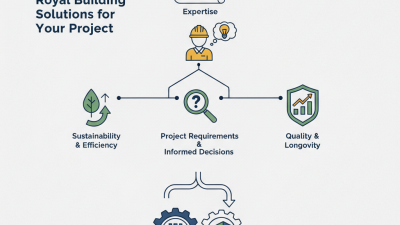
Suggested evaluation weights for a supplier scorecard (total: 100%). These are a practical starting point, not results from a market survey; adjust them to your product and project requirements.

What Should Buyers Know About Ordering and Shipping?

When ordering building supplies from China, treat the quote as a starting point, not the full landed cost. Ask for a written packing list with dimensions, weights, material grades, and quantities. Check whether prices cover export packaging, inland transport, port handling, and ocean freight. Small omissions can change the budget.

Confirm product details before production. Send drawings, sample dimensions, finish requirements, and acceptable tolerances. For tiles, fittings, or panels, request photos of batch labels and packed goods. Keep an approved sample for comparison. It helps, but cannot catch every defect. Agree on inspection timing and who pays if rework is needed. Link payment milestones to clear documents, not vague promises. Keep records.

Shipping plans need equal care. Compare full-container and shared-container options, then check transit times and destination charges with a freight forwarder. Ask how wooden crates are treated and labeled, and whether cargo insurance is included. Confirm the delivery address can accept a truck and unload the shipment. Delays happen. Allow buffer time. A supplier’s estimated departure date is not an arrival date. Even careful planning can miss a detail. Inspect cartons promptly after delivery and record visible damage before signing.

How Do Buyers Verify Quality and Compliance?

Global buyers should verify a building supply store’s quality through documents and physical checks, not polished samples alone. Request current test reports for the exact product and production site. Confirm the testing laboratory’s ISO/IEC 17025 accreditation, report date, tested model, and applicable destination-market standard. Match certificates to invoices and carton labels; a valid certificate for a similar product proves little. Ask for batch traceability and inspect a random shipment for dimensions, finish, and packaging damage.

Tips: Request one recent order’s inspection records, batch number, and test report. Check that they all refer to the same product. Keep a sealed sample for comparison. Small detail, big difference.

Compliance also affects building performance. UNEP and the Global Alliance for Buildings and Construction reported in the 2024 Global Status Report that buildings and construction account for 32% of global energy use and 34% of CO₂ emissions. This makes verified thermal, fire, and material-performance claims important, where relevant to the product. Requirements differ by destination, so confirm them with an independent local specialist. I still find paperwork easy to over-trust; a document cannot show whether the delivered batch matches the tested one.