10 Best Economy Lumber Suppliers for Global Buyers

Finding genuinely economical lumber is not simply a search for the lowest price. Buyers must compare species, grade, moisture content, dimensions, packaging, and delivery terms. A low quote can lose its appeal when boards arrive wet, inconsistent, or poorly matched to the project. Specs first.

The scale of the market makes careful comparison essential. FAO’s Global Forest Products Facts and Figures 2022 reports that worldwide sawnwood production reached about 489 million cubic metres in 2021. That broad supply base creates options, but not every supplier can offer the same quality, documentation, or shipping reliability. Forest-products marketing scholar Richard Vlosky’s work provides a useful lens: purchasing decisions depend on market fit, not price alone. This is a paraphrase, not a verbatim quotation; an unsourced quote would be misleading.

This guide reviews 10 economy lumber suppliers for global buyers, focusing on product range, sourcing transparency, export experience, and practical buying considerations. Expect trade-offs. A supplier with a low unit price may require larger minimum orders, while a closer source may reduce transit time and handling. Verify specifications and request current quotations before committing. The comparisons that follow are a starting point, not a substitute for checking samples, terms, and delivery details against your own requirements.
10 Best Economy Lumber Suppliers for Global Buyers

Define Economy Lumber by Species, Grade, Dimensions, and Cost per m³

Economy lumber is not simply the lowest-priced wood. Its value depends on species, grade, dimensions, and the condition in which it arrives. Spruce, pine, poplar, and other locally available species can suit different uses, but their strength, weight, appearance, and durability differ. Match the species to the job, not just the quote. A pale board may look uniform in a sample and vary across a full shipment.

Grade needs equal care. Terms such as “Select” or “Standard” may follow different rules between regions, so request the grading standard and defect limits in writing. Check knots, splits, wane, and moisture content. Then confirm whether dimensions are nominal or actual, and whether boards are rough-sawn or planed. A listed 25 mm thickness may not arrive at exactly 25 mm. That detail is easy to miss.

Compare cost per m³ on the same basis: species, grade, moisture, finish, dimensions, and packaging. Ask whether the quoted volume uses nominal or actual measurements, and whether freight is included. For example, kiln-dried, planed stock should not be compared directly with green, rough-sawn boards. A low figure can look tidy on paper. It may still hide extra handling, unusable pieces, or inconsistent sizing. Request a clear specification and a sample, while remembering that one sample cannot represent every board.

Screen 10 Global Suppliers by Mill Capacity, Export Reach, and Certification

A credible shortlist of ten economy lumber suppliers should start with mill capacity, not a low quoted price. Ask for annual output, species mix, kiln-drying capability, and monthly allocation records. Compare those figures with shipment history and export destinations. UN Comtrade data for HS 4407 can help verify reported trade flows for sawn wood, though it cannot confirm a mill’s own capacity. Check whether the supplier can provide recent bills of lading, consistent grading photos, and moisture readings from the actual production lot. Small details matter.

Certification is another useful screen, but a certificate alone does not prove reliable delivery. The PEFC Annual Review 2023 reported about 296 million hectares of certified forest worldwide. FAO’s Global Forest Resources Assessment 2020 estimated global forest area at 4.06 billion hectares. These figures show why buyers should check the certified source, product scope, and chain-of-custody status—not just a logo. Then compare export reach through destination records, port options, and lead-time performance. A supplier serving several regions may offer flexibility, but that does not guarantee stable quality. A neat spreadsheet can still mislead. I would also request a trial shipment; it adds time and cost, yet reveals packaging, bundle consistency, and paperwork gaps that a sales call may miss.

Verify Lumber Quality: U.S. S-Dry Stock Has a 19% Moisture Limit

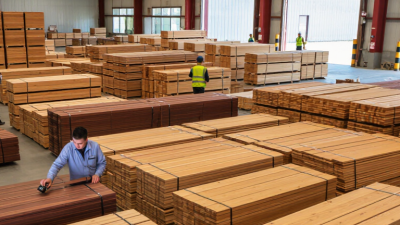
When comparing economy lumber suppliers, treat “S-Dry” as a measurable grading claim, not a promise that every board will arrive at exactly the same moisture level. In U.S. grading practice, S-Dry generally means lumber was surfaced at a moisture content of 19% or less. That limit matters for weight, dimensional stability, and later machining. It does not prevent boards from gaining moisture during storage or transit.

Ask suppliers to state the moisture basis, product grade, and inspection method in writing. On arrival, sample boards from several bundles rather than checking only the top layer. A calibrated moisture meter with suitable settings can reveal variation; record readings and note the species and measurement locations.

Look for cupping, open end checks, or damp packaging, too. Small clues count. If readings exceed the agreed limit, separate affected stock and document the lot before processing. One missed bundle can become a costly surprise.

I would also allow lumber to acclimate to the jobsite, because a compliant shipment can still respond to a different indoor climate. The 19% figure is a useful threshold, but it is not a substitute for clear purchase terms or consistent receiving checks.

Compare Quotes by Volume, Incoterms, Freight, Duties, and Lead Time

Compare quotes on the same specification: species, grade, dimensions, moisture content, treatment, and packaging. Request prices at several volume tiers, such as one container and a regular monthly order. Unit prices can fall as volume rises, but only if the buyer can use the extra stock. Keep units consistent. Small details matter. Ask whether the quote is per cubic metre or per board foot, and whether bundles include dunnage or export packing. A low price can look convincing until those items appear elsewhere.

Incoterms determine who pays for each stage, so compare the same named place and rule across offers. Separate product cost, inland haulage, ocean freight, insurance, destination handling, and duties. UNCTAD’s Review of Maritime Transport 2024 reported Shanghai–Europe container rates rising from about US$1,200 to over US$4,000 per forty-foot container between December 2023 and June 2024. Freight can change quickly; obtain a dated rate and its validity period. Check duties against the destination’s tariff schedule and the product’s correct classification, rather than relying on a supplier’s estimate. Finally, ask for production time, sailing time, and a buffer for port delays. A neat delivery date is not a guarantee, and I would leave room for uncertainty in any buying plan.

Rank the 10 Best Suppliers by Sample Quality and Total Landed Cost

A useful ranking of ten economy lumber suppliers should begin with the sample, not the quoted price. We score sample quality at 60% and estimated total landed cost at 40%. The sample check records species, grade, moisture, thickness, and visible defects. A handheld moisture meter and caliper can reveal problems before a container is booked. We also compare several boards, since one flawless piece proves little. No score is perfect.

Landed cost includes the lumber price, freight, insurance, port charges, customs costs, inland delivery, and likely losses from damage or rework. UNCTAD’s Review of Maritime Transport 2024 reports that shipping carries over 80% of world trade by volume, making freight and route reliability material parts of a buyer’s calculation. The World Bank’s 2023 Logistics Performance Index assessed 139 economies across areas including customs, infrastructure, tracking, and timeliness. Those factors help explain why two similar quotes can produce different delivered costs. Our ranking therefore rewards consistent samples and transparent, itemized quotes, rather than the lowest headline price. Check that sample dimensions and moisture readings match the purchase specification. A small mismatch can become expensive at scale.

10 Best Economy Lumber Suppliers for Global Buyers — Ranked by Sample Quality and Total Landed Cost Anonymous sourcing-route shortlist for buyer evaluation. These are lumber-producing origins and product routes, not named or individually verified suppliers. No supplier-specific sample scores or landed-cost figures are asserted.
Rank Anonymous Supplier Route Typical Economy Lumber Sample Quality Checks Sample Quality Status Total Landed Cost Status Cost Items to Compare Buyer Verification Priorities
1 Canadian softwood export route Spruce-pine-fir (SPF) construction lumber Moisture content, grade marks, dimensions, wane, warp, splits, and packaging condition Not rated; inspect a representative production sample Destination-specific quotation required Mill price, inland haulage, export handling, freight, insurance, duties, port charges, and destination delivery Confirm species mix, grade rules, permitted tolerances, and shipment documentation
2 U.S. Southern softwood export route Southern yellow pine boards and structural lumber Moisture content, treatment status, grade, resin/pitch condition, dimensions, and straightness Not rated; verify the requested grade and end use Destination-specific quotation required Mill price, inland transport, treatment if required, export costs, freight, duties, and delivery Specify whether the order is kiln-dried, green, treated, or untreated
3 Finnish softwood export route Spruce and pine sawn timber Moisture content, dimensions, grade, knots, checks, bow, twist, and surface condition Not rated; assess against the purchase specification Destination-specific quotation required Mill price, domestic transport, port handling, ocean freight, insurance, duties, and delivery Confirm grading standard, length assortment, and required moisture range
4 Swedish softwood export route Spruce and pine sawn timber Grade consistency, moisture content, dimensions, knots, wane, and visible drying defects Not rated; compare physical samples from the offered grade Destination-specific quotation required Mill price, inland haulage, port fees, freight, insurance, duties, and final-mile delivery Request a grade description and confirm package dimensions and loading plan
5 Baltic-region softwood export route Spruce and pine sawn timber Moisture content, grading, dimensions, end splits, bow, twist, and bundle protection Not rated; verify each supplier’s grading and inspection process Destination-specific quotation required Mill price, inland transport, terminal charges, freight, insurance, duties, and delivery Confirm country of origin, product specification, and shipment traceability documents
6 German and Central European softwood export route Primarily spruce sawn timber; product mix varies by mill Grade, moisture content, dimensions, knots, wane, and drying-related defects Not rated; request sample pieces from the same production grade Destination-specific quotation required Mill price, inland haulage, export handling, freight, insurance, duties, and destination delivery Confirm species, grading basis, applicable tolerances, and available lengths
7 Chilean plantation-softwood export route Radiata pine sawn timber Moisture content, grade, dimensions, knots, resin pockets, warp, and end condition Not rated; test appearance and performance for the intended use Destination-specific quotation required Mill price, inland transport, port handling, ocean freight, insurance, duties, and delivery Confirm drying schedule, grade definition, treatment requirements, and packing method
8 New Zealand plantation-softwood export route Radiata pine sawn timber Moisture content, strength or appearance grade as specified, dimensions, knots, and warp Not rated; require sample inspection against the end-use specification Destination-specific quotation required Mill price, inland haulage, export and port charges, freight, insurance, duties, and delivery Check import rules, phytosanitary documentation, and required treatment or certification
9 Brazilian plantation-softwood export route Plantation-grown pine sawn timber Species identification, moisture content, grade, dimensions, knots, warp, and packaging Not rated; confirm species and grade with the offered sample Destination-specific quotation required Mill price, inland transport, export handling, freight, insurance, duties, and delivery Confirm origin, product classification, applicable export documents, and destination import rules
10 Mixed-origin softwood trading route Softwood lumber assembled from multiple mills or origins Piece-to-piece consistency, species mix, grade marks, moisture content, and dimensions Not rated; inspect samples and define lot-level acceptance criteria Destination-specific quotation required Product price, consolidation, inland and port handling, freight, insurance, duties, and delivery Require mill and origin disclosure, traceable lot records, and written substitution rules

How to rank actual offers: inspect production-representative samples against the same written specification, then compare total landed cost for the same destination, quantity, Incoterm, packaging, and delivery window. Total landed cost should include product value, inland transport, export and port charges, freight, insurance, duties and taxes, customs clearance, and destination delivery. Confirm current import, grading, and phytosanitary requirements with the relevant authorities.